
Finding an apartment to rent in Tokyo? Whether you’re relocating for work, education, or a fresh start, Japan’s bustling capital offers a diverse range of rental options that balance convenience, comfort, and value. This comprehensive 2025 guide outlines the best areas to live, current rental prices, and how Tokyo’s income levels relate to housing costs.
Why Renting in Tokyo Makes Sense in 2025
Tokyo remains one of the most desirable cities to live in across Asia, and it’s easy to see why. The city blends modern convenience with rich cultural heritage, offering residents a lifestyle that’s both dynamic and well-supported. With an advanced transportation network, including the punctual and extensive train systems, navigating daily life in Tokyo is incredibly efficient, even without a car. Add to that a thriving food scene, global business hubs, and a constant flow of festivals, exhibitions, and local events, and it becomes clear why so many people choose to call Tokyo home.
As of 2025, income levels in Tokyo continue to reflect the city’s strong economy. The average annual salary ranges from ¥5.8 to ¥6.5 million for mid-career professionals across industries. This level of income allows many residents to comfortably afford quality housing, even in central or highly sought-after districts.
For those just beginning their careers, entry-level salaries typically start at around ¥250,000 per month. While this may not stretch far in Tokyo’s most premium neighborhoods, it’s more than sufficient for securing a comfortable studio or one-bedroom apartment in suburban areas, especially those with easy train access to downtown. The balance between earnings and rental costs in Tokyo makes it not only a vibrant place to live but also a financially manageable one for both newcomers and long-term residents.

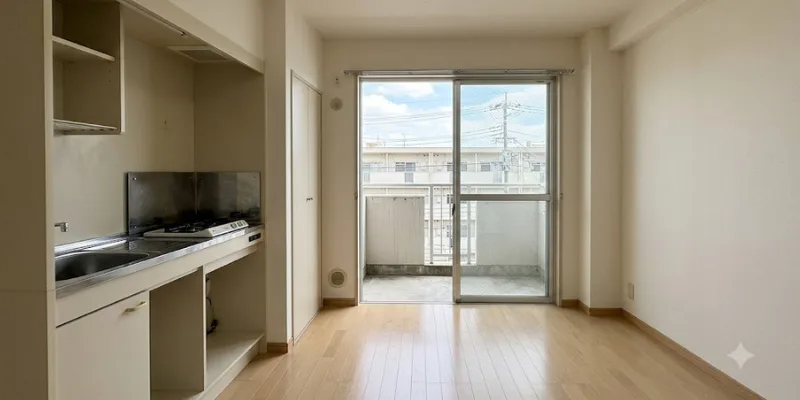
Efficient living in vibrant Tokyo
Top Residential Districts for Renters in Tokyo
When searching for the ideal apartment to rent in Tokyo, choosing the right neighborhood is just as important as the apartment itself. Tokyo is a city of diverse districts, each offering a unique lifestyle and environment. Whether you’re a working professional, a young family, or someone who values peace and nature, there’s a neighborhood perfectly suited to your needs. Below are three of the most recommended residential areas in Tokyo for renters in 2025.
Shinagawa – Urban Convenience with Global Connectivity
Shinagawa is one of Tokyo’s most strategically located districts, offering a seamless blend of business, transportation, and upscale residential living. Known for its direct connection to the Shinkansen (bullet train) and major train lines like the Yamanote Line, this area is ideal for professionals who commute frequently within or outside the city.
In addition to its prime location, Shinagawa features sleek residential towers, many of which come with panoramic city views, modern interiors, and premium building amenities such as gyms, lounges, and concierge services. Subareas like Shinagawa Seaside and Tennozu Isle are particularly popular for their mix of office buildings and high-rise housing along the waterfront. This neighborhood is a great choice for those who value convenience, style, and proximity to Tokyo’s central business districts.

Business meets lifestyle in Shinagawa
Setagaya – Family-Friendly Living in a Peaceful Suburban Setting
If you’re seeking a quieter, more residential environment, Setagaya stands out as one of Tokyo’s most desirable wards. Known for its relaxed atmosphere, this western Tokyo suburb offers a refreshing contrast to the city’s urban core. With wide tree-lined streets, numerous parks, and a strong sense of community, Setagaya is particularly appealing to families and long-term residents.
Educational facilities in the area are well-regarded, and there are plenty of green spaces such as Kinuta Park and Komazawa Olympic Park, ideal for weekend activities and outdoor leisure. Housing here often includes larger apartments and even detached homes, something rare in central Tokyo. Despite its suburban feel, Setagaya offers excellent connectivity via the Odakyu and Tokyu lines, allowing easy access to Shibuya, Shinjuku, and other major areas.

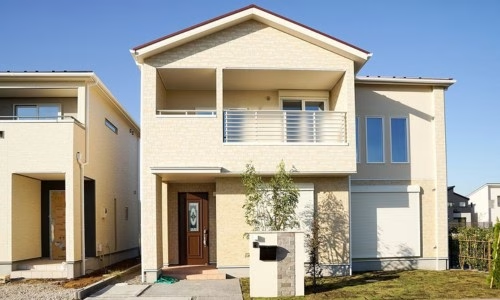
Suburban calm near central Tokyo
Futakotamagawa – Riverside Tranquility with a Modern Twist
Futakotamagawa, located along the scenic Tama River in southern Setagaya, has emerged as a popular spot for creatives, remote workers, and those seeking a slower pace of life. Once a quiet residential zone, it has transformed into a vibrant, livable area with a mix of stylish apartment complexes, shopping centers, and outdoor spaces.
What sets Futakotamagawa apart is its strong sense of community and lifestyle appeal. The neighborhood is home to the popular Futako-Tamagawa Rise development, which includes retail, dining, and modern residential buildings. With access to bike trails, riverside parks, and cultural venues, it’s easy to balance work, creativity, and relaxation here. The Den-en-toshi Line provides direct connections to Shibuya in under 20 minutes, making it a practical yet peaceful option for renters who want proximity without the hustle.

Peaceful pace near vibrant Tokyo
Understanding Apartment Layouts and Sizes in Tokyo
When browsing apartment listings in Tokyo, you’ll often come across abbreviations like 1R, 1K, or 2LDK. These labels are shorthand for the layout and size of the apartment, and understanding them can help you quickly assess whether a unit fits your needs.
- Studio (1R or 1K): Typically ranging from 20 to 30 square meters, these compact units are ideal for singles or students. A 1R (one room) apartment consists of a single open space that combines sleeping, living, and cooking areas. A 1K includes a small kitchen area separated by a door, offering slightly more privacy and functionality.
- 1DK or 2DK: These units range from 30 to 45 square meters and are better suited for couples or individuals who want a bit more space. The “D” stands for dining, and “K” stands for kitchen. A 1DK has one bedroom with a separate dining/kitchen area, while a 2DK offers two separate rooms in addition to the dining space.
- 2LDK and Larger: These apartments typically offer 50 to 80 square meters or more and include two bedrooms, a living room (L), a dining area (D), and a kitchen (K). They are ideal for small families or professionals seeking more spacious living environments.
The actual size and layout can vary depending on the building and location. For example, apartments in Setagaya, a more residential and suburban district, tend to provide larger floor plans with better layouts, often at more affordable rates per square meter. In contrast, apartments in central areas like Shinagawa are generally smaller and more compact, due to the high cost of land and the demand for city-center living.
When choosing an apartment in Tokyo, it’s essential to weigh space, location, and layout together to find the best fit for your lifestyle.
Tokyo Apartment Rental Prices in 2025
The cost of renting an apartment in Tokyo can vary widely depending on several key factors. These include the neighborhood, apartment size, proximity to train stations, and the age or condition of the building. Whether you’re considering a compact studio in the city center or a spacious two-bedroom in the suburbs, understanding the general pricing landscape will help you make an informed decision.
Here’s a breakdown of average monthly rental prices in 2025:
Apartment Type | Central Tokyo (e.g., Shinagawa) | Suburban Tokyo (e.g., Setagaya) |
Studio / 1K | ¥90,000 – ¥130,000 | ¥65,000 – ¥90,000 |
1DK / 2DK | ¥130,000 – ¥180,000 | ¥90,000 – ¥130,000 |
2LDK and above | ¥190,000 – ¥350,000 | ¥130,000 – ¥250,000 |
As of 2025, Tokyo apartment rental prices have experienced a modest uptick compared to the previous year. This increase is largely attributed to the growing demand for quality housing, especially in highly desirable areas such as Shinagawa and Setagaya, as well as the ongoing shortage of available units in prime locations.
In central Tokyo, particularly business hubs like Shinagawa, rents tend to be higher due to their proximity to major train lines, shopping centers, and corporate offices. Apartments here are often modern and well-equipped but come at a premium, especially for larger layouts.
By contrast, suburban neighborhoods like Setagaya offer more affordable pricing and significantly more space, making them an appealing option for families, couples, or anyone seeking a quieter lifestyle without sacrificing access to the city. Setagaya is especially popular for its residential charm, green spaces, and strong community feel.
When searching for an apartment to rent in Tokyo, it’s important to consider not just the monthly rent, but also other upfront costs such as key money, deposit, agency fees, and maintenance charges. These additional expenses can impact your overall budget, so be sure to factor them in when comparing properties.
Income vs. Rent: Is Tokyo Affordable?
In 2025, the average household income in Tokyo will surpass ¥6 million annually, reflecting the city’s strong economic foundation and competitive job market. For most residents, approximately 25 to 30 percent of their monthly income is allocated toward rent. This percentage is considered financially sustainable and aligns with global benchmarks for affordable housing.
While central Tokyo offers unmatched convenience and accessibility, the cost of living, particularly rent, can be significantly higher. In contrast, suburban districts such as Setagaya or Komae provide a more budget-friendly alternative, especially for individuals or families seeking extra space, a quieter environment, and better long-term value. These neighborhoods often feature larger floor plans, access to parks and schools, and a more relaxed pace of life, all while maintaining good train access to central Tokyo.
Whether you’re a young professional prioritizing proximity to work or a growing family looking for a calm residential setting, Tokyo’s diverse housing market offers flexibility. You can choose a compact studio in Shinagawa to stay close to the city’s pulse or opt for a spacious 2LDK apartment in Setagaya with a lower price per square meter.
Ultimately, the balance between income and rent in Tokyo allows many residents to tailor their housing choices to suit both their financial situation and lifestyle needs, making the city a livable option not just for locals, but for expats and newcomers as well.
Renting in Tokyo as a Foreigner: What You Need to Know
Securing an apartment to rent in Tokyo as a foreigner is absolutely possible, especially with the growing number of English-speaking services and foreigner-friendly listings across the city. While the rental process may differ slightly from what you’re used to in your home country, being well-prepared with the right documents and understanding the local system can make the experience smooth and straightforward.
Documents You’ll Need as a Non-Japanese Tenant
To begin the application process, most landlords and agencies will ask for the following:
- Passport and Residence Card: Proof of identity and visa status is mandatory.
- Proof of Income or Employment Contract: Demonstrates your financial stability and ability to pay rent.
- Emergency Contact in Japan: This is usually a Japanese-speaking friend, colleague, or employer who can be contacted if needed.
- Initial Funds: Renting an apartment in Tokyo typically requires several upfront payments, including a security deposit (shikikin), key money (reikin), agency fees, and the first month’s rent.
No Guarantor? No Problem
Traditionally, Japanese landlords require tenants to have a guarantor (someone who would co-sign and take financial responsibility if the tenant failed to pay). However, this requirement is becoming less common, particularly in central or international-friendly areas. Many apartments now accept tenants without a guarantor or offer third-party guarantor services, making it easier for foreigners to rent.
English-Friendly Real Estate Services
Tokyo is increasingly catering to international residents. Numerous real estate agencies now provide bilingual or English-speaking staff who can assist with apartment searches, paperwork, and lease agreements. Popular neighborhoods like Shinagawa and Setagaya are home to many English-friendly apartment listings, thanks to their expat populations, international schools, and easy access to transportation.
Whether you’re moving to Tokyo for work, study, or a long-term stay, having the right information and preparation makes a big difference. With a growing number of foreigner-supportive options available, renting in Tokyo as a non-Japanese speaker is more accessible than ever before.
Renting vs. Buying: What’s Right for You?
When moving to Tokyo, one of the biggest decisions you’ll face is whether to rent or buy. For most newcomers, especially expats, students, or professionals on short- to mid-term contracts, renting an apartment remains the most convenient and flexible choice. It requires less commitment, allows for easier relocation, and provides access to a wide range of properties without the long-term financial responsibility that comes with ownership.
However, if you plan to stay in Tokyo for the long haul, typically five years or more, buying a property may offer significant advantages. While the upfront costs are higher, owning can be more cost-effective over time, especially in a stable market like Tokyo where property values in desirable neighborhoods tend to remain strong.
Districts such as Setagaya and Shinagawa are particularly popular among long-term residents looking to purchase. Setagaya offers a mix of low-rise family homes and larger apartments in quiet, green surroundings, while Shinagawa is known for its modern condominiums and high-rise complexes with premium facilities, ideal for professionals who value proximity to business hubs and transportation.

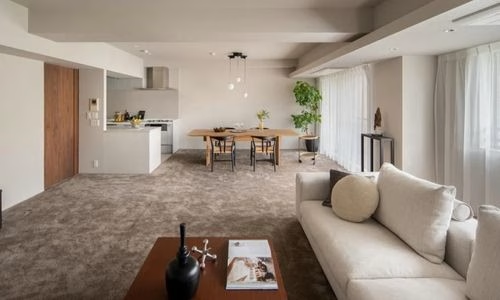
2LDK comfort at better rates
Important Factors to Weigh When Deciding to Rent or Buy
Deciding whether to rent or buy a home in Tokyo isn’t always straightforward. Each option comes with its own advantages, depending on your financial situation, future plans, and lifestyle preferences. While renting offers flexibility and lower initial costs, buying can be a smart long-term investment for those planning to stay in Japan for an extended period. To help you make an informed decision, here are some essential factors to consider before committing to either path.
- Length of Stay: If you’re unsure about your long-term plans, renting offers greater flexibility with shorter lease commitments.
- Upfront Costs: Renting typically requires only a few months of upfront payments, while buying involves a down payment, legal fees, taxes, and maintenance.
- Lifestyle Preferences: Renting allows you to try different neighborhoods before settling, while buying is suited to those ready to commit to a specific area and lifestyle.
- Investment Potential: Owning property in Tokyo, particularly in high-demand areas, can be a valuable asset and may generate rental income if you move later.
Ultimately, the decision depends on your personal situation, financial goals, and long-term plans in Japan. Whether you rent or buy, Tokyo offers a wide variety of housing options to match every stage of life.
Conclusion
From the urban convenience of Shinagawa to the laid-back atmosphere of Setagaya or the community-focused living in Futakotamagawa, Tokyo offers something for everyone. By understanding your budget, lifestyle needs, and the local housing landscape, you can find the right fit without hassle. With Arealty, your search for an apartment to rent in Tokyo becomes easier, faster, and more reliable, whether you’re relocating, upgrading, or settling in for the long term.

Real estate advisor at Arealty Japan, specialising in helping foreign residents navigate the Tokyo and Osaka rental markets. Lucy has guided hundreds of international renters — from Working Holiday visa holders to corporate relocations — through Japan’s apartment application process. Her writing draws on firsthand experience with landlord screening, guarantor companies, and foreigner-friendly listings across all 23 Tokyo wards and major Kansai cities.