
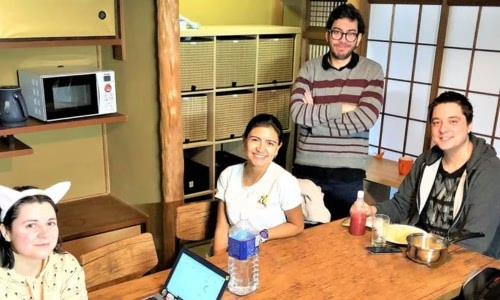

Thinking about moving to Japan but unsure where to live? Renting a share house is one of the most convenient, budget-friendly, and social ways to settle in. Whether you’re a student, working professional, or digital nomad, shared housing offers flexibility, cultural exchange, and a supportive community. From central Tokyo spots like Shinagawa and Setagaya to quieter suburbs, share houses cater to various needs and lifestyles. This guide covers everything you need to know, from planning and budgeting to choosing the right space, so you can find the perfect place and enjoy your time in Japan to the fullest.
Why Share Houses Are a Smart Living Choice in Japan
If you’re moving to Japan for study, work, or cultural exploration, renting a shared house is one of the most affordable and social-friendly housing options available. Especially popular among foreigners and young professionals, this housing model allows multiple tenants to share common spaces while enjoying the comfort of private rooms.

What makes share house living a great option:
- Cost-effective: Significantly cheaper than renting a private apartment in central areas like Setagaya-ku Tokyo or Shinagawa City.
- Cultural exchange: Meet people from around the world and improve your communication or language skills.
- Flexible leases: Ideal for short-term stays and frequent relocations, especially if you’re apartment hunting across Tokyo suburbs or Shinagawa Seaside.
- Community support: Living with others can provide emotional support and a sense of belonging, which is especially valuable for newcomers adjusting to life in Japan.
Before signing any lease, it’s essential to research thoroughly to avoid hidden fees, mismatched housemates, or poorly maintained facilities.
Plan Ahead: Define Your Priorities and Budget Smartly
Before committing to any living arrangement in Japan, it’s crucial to take a step back and clarify exactly what you’re looking for. Planning ahead not only saves time and money, but it also helps you avoid unnecessary stress during your relocation. Whether you’re moving to a bustling district like Shinagawa or considering a quieter spot in suburban Tokyo, identifying your lifestyle needs and financial limits will guide you toward the ideal shared house that matches both your comfort and convenience.
Identify Your Needs
To choose the right place, start by identifying your personal needs and lifestyle preferences.
- Purpose of stay: Are you here to study, work, or travel? Students may prefer housing near schools, while professionals should consider locations close to major stations like Shinagawa Tokyo. Digital nomads might seek areas with cafes or co-working spaces.
- Location matters: Central districts like Setagaya-ku or Shinagawa offer urban convenience, while suburbs such as Futakotamagawa provide a quieter atmosphere. Consider commute time, nearby facilities, and the overall vibe of the neighborhood.
- Room type: Decide whether a private room suits your need for quiet, or a dorm-style room fits your budget and desire to socialize.
- Essential facilities: Look for must-haves like a shared kitchen, high-speed Wi-Fi, laundry, air conditioning, and clean bathrooms. A common lounge is also great for building connections.
Build a Clear Budget
After identifying your housing preferences, the next crucial step is to organize your finances wisely. A well-thought-out budget helps you avoid unexpected charges and ensures you choose accommodation that fits both your lifestyle and spending limits. Take into account not just the monthly rent but also all the other expenses involved in moving and daily living.
- Monthly rent: Prices vary depending on location and room style. Central areas like Shinagawa tend to be more expensive compared to quieter, suburban parts of Tokyo.
- Upfront costs: These usually include a refundable deposit and a one-time service or cleaning fee. One major advantage of share houses is that most do not require key money, which is often mandatory in traditional apartment rentals.
- Living costs: Clarify whether utilities such as electricity, water, and internet are included in the rent. Don’t forget to factor in groceries, commuting, and any additional personal expenses to keep your finances on track.

Find Your Ideal Share House: Platforms & Evaluation Tips
Once you’ve set your budget and priorities, it’s time to start the actual search. Finding the right share house involves more than just scrolling through listings, it’s about knowing where to look and how to assess each option thoroughly.
Where to Search
Finding a reliable share house in Japan starts with using the right resources. Start your house hunt with these trusted sources:
- Specialized housing platforms: Websites like Oakhouse, Borderless House, and Social Residence offer a wide range of listings across Tokyo, from city-center apartments to quieter suburban homes. These platforms often provide photos, pricing details, and availability in English.
- Online communities: Explore Facebook groups, expat forums, and Reddit threads where residents post honest reviews, recommendations, and occasionally, private rental opportunities not listed on major sites.
- Real estate services: Some local agencies offer bilingual support and can help with both share house options and purchasing apartments in Tokyo. They’re especially helpful if you’re unfamiliar with Japanese rental procedures or want extra guidance.
Look Into the Share House’s Reputation First
Before committing to a share house, take time to assess its overall quality and management. A well-run property can make all the difference in your living experience.
- Property management: Research the company responsible for the share house. Look up tenant reviews on Google or expat forums to see how they handle maintenance, communication, and problem resolution.
- House regulations: Carefully review the rules around noise levels, visitors, cleaning duties, and use of shared spaces. A clear and reasonable policy helps maintain harmony among housemates.
- Resident profile: Ask about who currently lives there, their age range, cultural background, and how many people share the house. This gives insight into whether the community vibe suits your lifestyle.
- Safety measures: Confirm the building has secure entry systems, functioning locks, and, if possible, security cameras. Also consider the safety of the neighborhood, especially if you’ll be returning home late at night.
Schedule a Visit – Don’t Skip the Tour
Whether it’s an in-person visit or a virtual tour, seeing the share house before moving in is essential. It helps you verify the condition of the space and avoid surprises later.
- Inspect your room: Take note of natural light, power outlets, storage options, and whether there’s heating or air conditioning. Make sure the space is comfortable for your daily needs.
- Check shared areas: Look closely at the kitchen, bathrooms, and laundry spaces. Are they clean, organized, and properly maintained? Also, check the condition of shared furniture like sofas and dining tables.
- Watch for red flags: Be alert to any unpleasant odors or signs of dampness, which could indicate mold or poor ventilation.
- Evaluate the location: Find out how far the house is from the nearest train station, grocery store, and convenience store. Easy access to transportation and daily essentials will make your life much smoother.
- Ask detailed questions: Don’t hesitate to clarify anything unclear, ask about all costs, lease duration, house rules, and who to contact if issues arise.

Signing the Lease & Moving In
Once you’ve chosen the right share house, the next step is finalizing the paperwork and preparing for move-in day. Here’s what to keep in mind during this important stage.
Understand the Rental Contract
Be sure you’re clear on all contract details before putting pen to paper.
- Language clarity: If the contract is in Japanese, request an English version or ask a trusted friend or translator to help you review the details.
- Key terms: Pay close attention to the minimum rental period, cancellation policies, and your responsibilities regarding maintenance or repairs.
- Cost breakdown: Double-check all financial details, including the deposit, rent, service fees, and any additional charges that may apply later.
Prepare Required Documents
To move forward with your lease, have these essentials on hand:
- Valid ID: Bring your residence card (Zairyu Card), passport, and contact information for an emergency person.
- Payment method: Most share houses accept bank transfers or credit cards for rent and deposits, so be ready with the preferred method.
Check-in Carefully
When moving in, take a few precautions to protect yourself:
- Record the room condition: Take clear photos or videos of your private room and any existing wear or damage. It serves as proof in case any damage claims arise later.
- Respect the rules: Familiarize yourself with the house rules, from quiet hours to cleaning duties, and follow them to keep a positive relationship with housemates.
Daily Life at the Share House: Adapt and Make the Most of It
Living in a share house is more than just sharing a space, it’s about learning how to live cooperatively, respecting others, and embracing the social experience that comes with it.
Respect Shared Living Culture
A successful share house experience depends on mutual respect and consideration. Creating a comfortable environment starts with small daily habits.
- Be mindful of others: Keep noise to a minimum during late hours and avoid disturbing your housemates. Always respect shared spaces and never use others’ belongings without permission.
- Clean as you go: Whether it’s the kitchen, bathroom, or living area, tidy up after yourself. Shared spaces stay pleasant when everyone contributes to cleanliness.
- Foster open communication: If issues arise, address them calmly and respectfully. A quick, honest conversation often solves problems before they escalate.
Budget Wisely Together
Living with others means working together to keep the home running smoothly, and affordably.
- Be energy-conscious: Turn off lights, unplug unused devices, and avoid wasting water. Small efforts like these help reduce monthly utility bills for everyone.
- Take part in cleaning duties: Whether there’s a set schedule or a shared understanding, doing your part to maintain cleanliness shows respect and keeps the space comfortable for all.
Build Your Network
One of the biggest advantages of staying in a share house is the chance to connect with people from different backgrounds. Take advantage of this social environment to grow both personally and professionally.
- Join community events: Many co-living spaces, such as Social Apartment Futakotamagawa, organize group activities, cultural nights, or casual meetups, perfect for making new friends.
- Practice language exchange: Share houses often bring together locals and international residents. Use this chance to improve your Japanese or help others with English, it’s a win-win.
- Expand your social circle: Your housemates can become more than just neighbors, they might introduce you to job opportunities, social groups, or even future travel companions.
Arealty – A Trusted Partner for Foreigners Renting Homes in Japan
If you’re a foreigner looking for housing in Japan with ease, transparency, and no unnecessary stress, Arealty is the partner you can rely on. With a professional and multilingual team, Arealty makes it simple to find the right apartment in Tokyo or surrounding areas.
Why Choose Arealty?
- Multilingual support: Communicate comfortably with staff who speak English, Vietnamese, and other languages.
- Simple, transparent process: From searching to signing the lease, the entire rental process is clear and hassle-free.
- Wide selection of properties: Choose from apartments in central Tokyo or quieter suburban neighborhoods to match your lifestyle and budget.
- No key money required: Many listings skip traditional fees like “key money,” helping you save on upfront costs.
- After-move-in support: Arealty assists with maintenance issues, payments, and daily life questions, so you feel at home from day one.
With experience and dedication, Arealty is the trusted choice for foreigners who want to rent in Japan quickly, easily, and with confidence.
Contact Information
- Address: Apartment 605, Tohto Building, 1-5-4 Hyakunincho, Shinjuku-ku, Tokyo 169-0073, Japan
- Hotline: 050 6864 9697
- Email: [email protected]
- Website: https://arealty.jp/#/home
Conclusion
Renting a share house in Japan is more than just securing a roof over your head, it’s an immersive way to understand the culture, meet amazing people, and live affordably in major areas like Shinagawa Tokyo, Setagaya, or even peaceful suburbs of Japan. Combine smart planning with open-minded living and you’ll not only find a comfortable place to stay, you’ll create a second home in one of the world’s most fascinating countries.






Leave a Reply