Long-term apartment rental Japan is very different from what many foreigners may be used to. From key money and guarantors to rules about pets and family size, there are multiple factors to consider before signing a lease. If you’re planning a stay of one year or more, understanding the process of renting in Japan is essential.
This guide will break down the basics of renting long-term in Japan, explain the hidden costs, and highlight tips for families, professionals, and students.
Understanding How Long-term Rentals Work in Japan
In many countries, the definition of “long-term” simply means any lease that runs beyond a year. By contrast, in Japan the concept is more specific. A standard long-term apartment for rent Tokyo usually lasts two years, with some exceptions offering one-year contracts. These leases are renewable, though renewal almost always requires an additional fee equivalent to one month’s rent. Compared to short-term options like serviced apartments or monthly rentals, long-term leases in Japan provide more stability but also demand stricter compliance with rules and financial obligations.
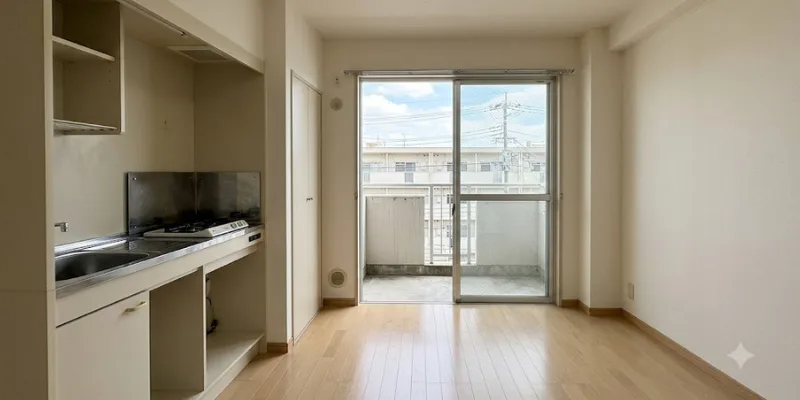
Another major difference is that long-term apartments in Tokyo are almost always unfurnished. Tenants are expected to supply their own appliances, curtains, and sometimes even lighting fixtures. This is very different from Western cities, where apartments in Japan for long-term rental often include basic furniture or built-in appliances.
Eligibility for long-term contracts is not universal. Landlords and agencies often consider visa status before approving an application. For example, those on tourist visas or very short-term stays are not eligible. Typically, only residents with work visas, student visas, or long-term residence permits qualify. This ensures that tenants can remain in the country for the duration of the lease.
Why are most rental property contracts 2 years long?
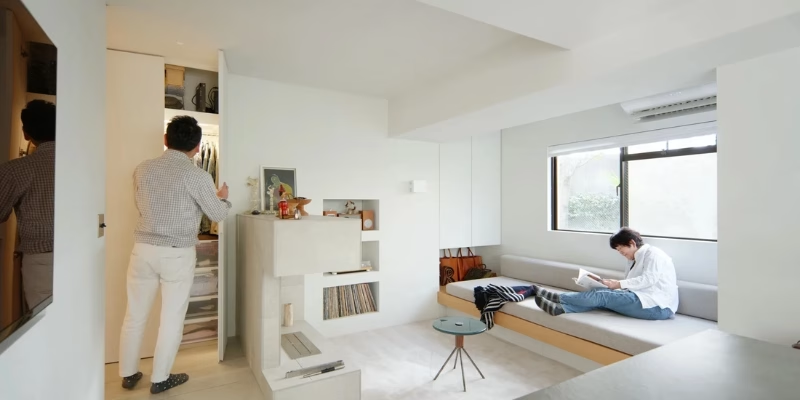
Landlords have the freedom to set rental contract periods as long as they exceed one year, but in practice, very short leases, such as those lasting only a year, are uncommon. This is because landlords aim to minimize the risk of vacant units and secure a steady, reliable rental income over time, which shorter contracts cannot always guarantee.
On the other hand, contracts that extend beyond three years can feel restrictive or overly long from a tenant’s perspective, limiting their flexibility and willingness to commit. For this reason, a two-year lease has become the standard, offering a practical compromise that provides stability for landlords while remaining reasonable and manageable for tenants.
Rules, Restrictions, and Early Termination
When considering a long-term apartment rental in Japan, it’s important to be aware of the rules and obligations that come with the lease. Landlords set clear expectations, and tenants should understand both daily living regulations and potential costs if leaving early:
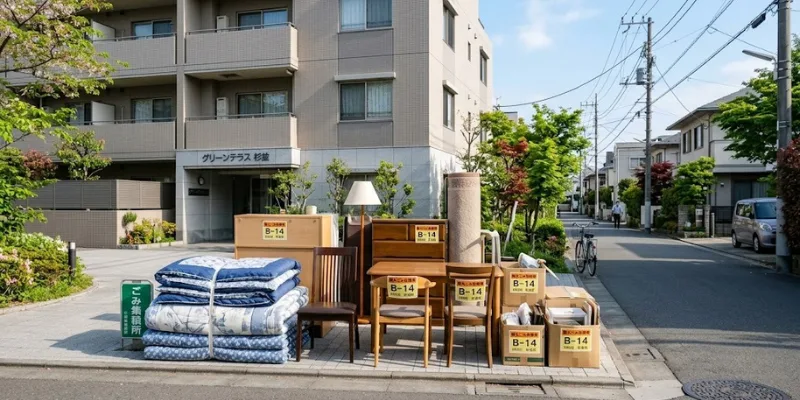
- Strict rules from landlords: Regulations often cover noise levels, pet ownership, smoking, and even garbage disposal. While these may seem restrictive, they help maintain Japan’s well-known cleanliness and orderliness.
- Early termination penalties: Breaking a lease before the end of the standard two-year contract usually means paying one to two months’ rent as a penalty, unlike some countries where only the deposit is lost.
- Overall suitability: For tenants who meet visa and financial requirements and want stability, a long-term apartment rental in Japan is often the most practical and secure option.
Documentation and Requirements
To secure a long-term apartment rental in Japan, tenants must prepare key documents such as a residence card, passport, and proof of income. Students usually need enrollment certificates and financial support evidence. Landlords may also request an emergency contact in Japan or details about household members. For a full checklist of required documents, see our guide to apartment rental requirements in Japan.
What Is the Contract Period for Rental Properties?
In Japan, most lease agreements between landlords and tenants are referred to as ordinary rental contracts. With this type of agreement, tenants typically have the right to renew their lease when the contract ends. Importantly, landlords cannot cancel or refuse renewal without a legitimate reason.
Standard Lease Contract
A standard lease contract allows tenants to continue living in the property with renewal rights. The contract period is usually set for two years, though it may also be one year, three years, or even longer. When the contract expires, tenants may choose to extend it, though a renewal fee, often equivalent to one month’s rent, is commonly required.
Fixed-term Lease Contract
A fixed-term lease specifies in advance that the tenant must leave once the contract period ends. For example, if you sign a two-year lease starting in February 2022, you are expected to move out by February 2024. In some cases, the landlord may agree to renew or extend the contract, but this is entirely at their discretion. Fixed-term leases are often used when landlords plan to use the property again after a set period, such as returning from a work assignment abroad.
How to Renew Your Rental Property Contract in Japan
When your rental contract is about to expire, you’ll need to decide whether to renew it or move out. While some apartments offer automatic renewal, most require tenants to manually confirm their intention to continue the lease.This guide walks you through each step for an easy and stress-free process.
Receive Your Renewal Documents
About one to three months before your lease ends, your landlord or real estate agency will send a document asking if you want to renew your contract. Simply fill it out and return it to confirm your renewal. If you haven’t received anything one month before the contract expires, contact your landlord or agency to check.
Prepare and Sign the Documents
Usually, there’s no extra paperwork needed for renewal. All you need to do is review the attached contract, sign it, and stamp it. Be sure to check any changes in rent or other terms that may be included.
Submit by the Deadline
Return the signed and stamped documents by the deadline. This is also a good time to update or re-enroll in any required insurance policies, as you will need to pay for these alongside your renewal.
Pay the Renewal Fee
Finally, pay the renewal fee to complete the process. Renewal fees generally range from 0.5 to 1.5 months’ rent, depending on your area. For example, if your rent is ¥70,000, your renewal fee will likely fall between ¥35,000 and ¥105,000.
Renewing your rental contract in Japan is straightforward once you know the steps. By preparing the documents and fees in advance, you can ensure a smooth continuation of your lease without any last-minute stress.

How can I cancel my rental contract early, and will I face a penalty?
Notice period for cancellation depends on the reason
The required notice period for ending a rental contract can vary depending on the circumstances and the parties involved. For personal reasons, such as a job transfer, buying a new home, or simply wanting a change of environment, the rules may differ.
Typically, some agreements ask tenants to provide one month’s notice before moving out. This is just a general guideline, so always check your lease for the specific notice period. If you are unsure, contact your landlord or real estate agent as soon as possible.
Will I incur a penalty if I cancel my contract early?
If you need to move out before your contract ends, you might wonder if a penalty applies.
In most cases, terminating a rental agreement mid-contract does not incur a penalty. For instance, signing a two-year lease does not obligate you to stay for the full term. You can leave after six months or a year without issue, so you’re not forced to find a short-term lease instead.
However, your contract will specify the required notice period for cancellation, which is usually one or two months in advance. As long as you provide proper notice, you should not face any penalties.
How to Secure a Long-Term Apartment in Tokyo
Searching for a long-term apartment for rent Tokyo can feel overwhelming, especially for newcomers unfamiliar with the Japanese housing market. Here are some helpful places to begin with:
- GaijinPot Housing – English-language listings tailored for foreigners.
- SUUMO – One of Japan’s largest real estate portals (Japanese only).
- HOME’S – Another major portal with a wide range of listings (Japanese only).
While these websites are helpful for browsing apartments in Tokyo to rent, the actual rental process in Japan often requires Japanese language skills, a guarantor, and an understanding of strict local rules. This is why many expats choose to work with specialized agencies that connect tenants with foreigner friendly apartments Tokyo.

Begin Your Japan Life Smoothly with Arealty
For many newcomers, Japan’s rental market can feel complicated and intimidating. Guarantor rules, paperwork, and language differences often make the process more challenging than expected. Working with a trustworthy real estate agency can greatly simplify the process.
Why Work with Arealty?
Arealty is dedicated to assisting international residents, making it easier to find an apartment in Tokyo. This is what sets them apart:
- Multilingual support – Professional help in English, Japanese, and Vietnamese.
- Proven expertise – Deep understanding of Japan’s housing system and the specific needs of foreigners.
- Step-by-step assistance – From apartment search to contract signing and move-in, you’re supported all the way.
- Transparency – Clear communication and a customer-first approach so you’re never left guessing.
With Arealty, moving into your new home in Japan becomes a smooth and confident experience. Instead of stressing over paperwork and procedures, you can focus on building your career, studies, and lifestyle.
Contact: 050-6864-9697
Website: https://arealty.jp
Conclusion
Long-term apartment rental Japan may seem daunting at first, with their unique system of deposits, key money, and guarantor requirements. Yet, with preparation and the right support, the process becomes straightforward. Whether you are a student, professional, or family, securing a long-term Japan Tokyo apartment rent option will give you stability, comfort, and a true sense of home.
From homes for rent in Japan to apartments in Tokyo, the choices are wide, but understanding the rules and costs upfront is key to making the right decision. For anyone planning to live in Japan, committing to a long-term lease is the most reliable way to secure your place in the community.
Check out some of the top available listings in these areas:

Real estate advisor at Arealty Japan, specialising in helping foreign residents navigate the Tokyo and Osaka rental markets. Lucy has guided hundreds of international renters — from Working Holiday visa holders to corporate relocations — through Japan’s apartment application process. Her writing draws on firsthand experience with landlord screening, guarantor companies, and foreigner-friendly listings across all 23 Tokyo wards and major Kansai cities.