


Securing accommodation is the cornerstone of establishing a life abroad. For those venturing to Japan, navigating the rental contract in Japan (賃貸借契約, Chintaishaku Keiyaku) is arguably the most crucial step. This document is far more than a simple agreement. It is a meticulously detailed legal commitment. This commitment defines your rights, financial obligations, and tenancy rules. For expatriates seeking quality apartments in Japan, a thorough understanding is paramount to a stable and compliant residency.
Defining the Japanese Rental Contract
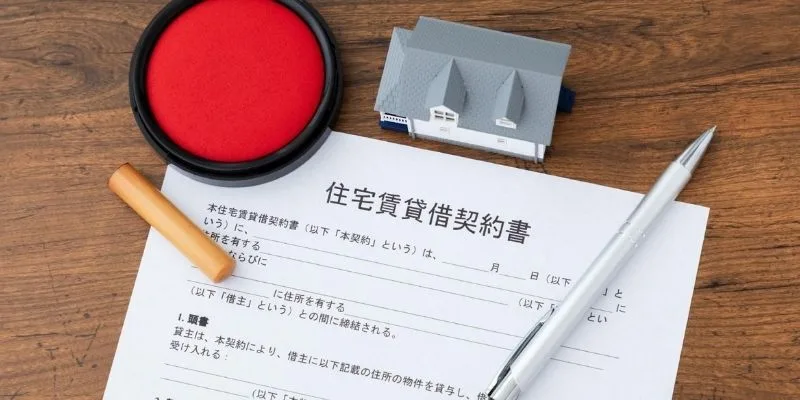
A Japanese residential rental contract is a definitive agreement. It is a legally-binding covenant between the property owner (landlord, 貸主, kashinushi) and the prospective tenant (借主, karinushi). It unequivocally establishes the terms for the temporary use of the property. This agreement covers all aspects of the tenancy. It ranges from financial parameters to behavioral expectations. This ensures clarity and mitigates future disputes.
Contract Terminology and Standard Duration
The duration of the lease is a fundamental aspect of the contract. The prevailing standard is a two-year term.
· Standard Residential Lease (普通借家契約, Futsū Shakka Keiyaku): This is the most common form, offering strong tenant protection. It states that the tenant can request renewal at the end of the term. This is only applicable if the tenant has adhered to the contract terms. Landlords must demonstrate a “just cause” (正当事由, seitō jūyū)—which is legally challenging to prove—if they wish to refuse renewal.
· Fixed-Term Lease (定期借家契約, Teiki Shakka Keiyaku): This lease specifies an exact end date (e.g., 3 years, 5 years). The tenant has no automatic right to renewal. If the landlord and tenant wish to continue the tenancy, they must draft and agree upon a completely new contract. Landlords often choose this type of agreement for corporate housing or for properties they plan to use personally in the future. Tenants must be fully aware of the distinct renewal implications of this agreement if their plan is to stay long-term.
The Crucial Role of the Explanation of Important Matters
Prior to the formal signing of the lease, the real estate agent is legally required to provide an “Explanation of Important Matters” (重要事項説明, Jūyō Jikō Setsumei). A licensed real estate professional (Takuchi Tatemono Torihiki-shi) must deliver this explanation. It covers all the critical details of the contract. This aims to prevent misunderstandings. The explanation must include specific details. These details are the precise address and size of the unit. They also cover the condition of the property’s utilities (water, gas, electricity). Additionally, it must outline the specific breakdown of all financial obligations. The tenant must actively engage with this explanation and should never sign without fully comprehending the terms.
The Mandatory Requirements for Contract Approval
The meticulously detailed Japanese screening process requires applicants to provide comprehensive proof of identity, income, and security.
Establishing Identity and Income Stability
To be approved for an apartment, the following documents are universally required:
· Valid Identification: A clear copy of the applicant’s passport is mandatory. A copy of their Resident Card (Zairyū Card) is also required for all foreign nationals.
· Proof of Income (収入証明書): This demonstrates the capacity to fulfill the monthly financial commitment.
o For employees: A Certificate of Employment (在職証明書, Zaishoku Shōmei-sho) and recent tax withholding statements or salary slips.
o For students/unemployed: Documentation of financial resources is necessary. This includes bank account statements showing significant savings. Alternatively, provide income proof from the financial guarantor.
· Seal Registration Certificate (印鑑証明書): If the applicant is using a registered personal seal (Jitsuin) instead of a signature, a certificate from the local government is necessary. It authenticates the seal’s legitimacy on the contract.
The Guarantor System: The Pillar of Security
The need for a guarantor is the most significant hurdle for foreign renters. This party (or company) assumes the joint and several liability (連帯保証人, rentai hoshōnin) for the tenant’s obligations.
1. Individual Guarantor: Traditionally, a close Japanese relative or long-term resident with stable income served as the guarantor. This is exceptionally difficult for new expatriates to secure.
2. Guarantor Company (保証会社, Hoshō Gaisha): This is the standard solution for foreigners. For an annual or one-time fee (typically 50-100% of one month’s rent), the company assumes the financial risk. Example 3 (Guarantor Company Role): If a tenant fails to pay rent for three months, the landlord immediately receives the payment from the Guarantor Company. The Guarantor Company then pursues the delinquent payments directly from the tenant. This system makes tenancy possible for those without a local network.
Living in Japan: Rules, Regulations, and Restoration
The contract explicitly details the rules of residency, reflecting both property-specific regulations and Japanese customs. Tenants must strictly adhere to these rules.
Prohibited Activities and Obligations
The contract defines acceptable use of the premises. Breaching these terms can lead to eviction.
· Restrictions on Property Use: The unit is leased for residential purposes only. Operating a business, even a home-based one that generates high foot traffic or noise, is typically prohibited.
· No Pets (原則禁止): Most apartment buildings have a strict no-pet policy. This is especially true in high-density areas. Pets are only allowed if explicitly stated otherwise in the contract.
· Subletting is Forbidden: A tenant is not allowed to sublet the apartment. They must have the express, written consent of the landlord.
· Noise and Waste Disposal: Tenants must follow local rules regarding noise levels, especially late at night. They also need to comply with the often-complex schedule and sorting regulations for municipal garbage disposal.
Restoration to Original Condition (Genjō Kaifuku)
The principle of Genjō Kaifuku dictates that the tenant must restore the property to its condition prior to occupancy upon vacating.
· Tenant’s Responsibility: The tenant is financially responsible for damage caused by negligence, inappropriate use, or intentional actions. This includes stains, odors (e.g., heavy smoking), and damages resulting from poor maintenance (e.g., failure to ventilate, leading to excessive mold).
· Landlord’s Responsibility (Wear and Tear): The landlord is responsible for restoring damage that results from ordinary wear and tear (e.g., fading of wallpaper due to sunlight, natural aging of fixtures). The distinction between these two categories is often the subject of dispute. However, clear government guidelines exist to define what constitutes normal use. Cleaning fees for the entire apartment are a standard deduction from the Security Deposit.

Crucial Points for Expatriate Tenancy: Essential Considerations
Beyond the financial and legal frameworks, specific cultural and contractual nuances demand attention when renting apartments in Tokyo Japan. Awareness of these points minimizes the risk of contract violation or unexpected deductions.
Strict Compliance with the Explanation of Important Matters
It is imperative to receive and fully understand the Explanation of Important Matters (Jūyō Jikō Setsumei) before appending your signature. This document details complex elements such as utility responsibilities, specific cancellation clauses, and who bears the cost of certain repairs. Tenants must not sign the agreement if there are any ambiguous terms remaining.
Early Termination of the Lease (The Most Important Clause)
The most crucial clause expatriates must understand involves the rules for canceling the rental contract before the stipulated period.
- Notice Period: Most rental contracts are typically for two years. They require you to notify the landlord of your intention to vacate. You must provide notice of cancellation within a specific period—usually one to two months in advance—or you risk paying rent for that time, even after you move out.
- Penalty Clause (Chūto Kaiyaku Kin): Many contracts in Japan include a penalty clause. This is especially common for short-term stays or contracts aimed at expatriates. The penalty applies if the tenant terminates the agreement within the first year. This penalty often equates to one to two months’ rent.
- Impact on Security Deposit (Shikikin): Violating these terms can lead to significant deductions from your security deposit. Insufficient notice or early termination within the penalty window may cause the loss of your entire security deposit (Shikikin).
It is vital to study these rules thoroughly before signing. They can significantly impact your finances if your plans change.
Learn more about the regulations and costs involved here: Breaking a lease in Japan

AREALTY: Your Dedicated Partner for Apartments in Tokyo Japan
The complexity and cultural specificity of securing apartments in Tokyo Japan mandate the expertise of a specialized real estate partner. AREALTY is committed to bridging the gap between international clients and the Japanese rental market. They ensure a professional and secure leasing experience.
We offer bespoke services that translate and interpret the critical elements of the Chintaishaku Keiyaku. Our services clearly define all financial liabilities and tenancy rules before commitment. We maintain deep relationships with property management companies. These connections allow us to streamline the arduous screening process. They also help us guide clients efficiently through the guarantor system.
AREALTY ensures that you:
- Ensure you receive a clear, unambiguous translation of the Explanation of Important Matters.
- We recommend preparing all necessary documentation to meet the strict requirements.
- You will then secure an ideal property with confidence and minimal stress.
Do not navigate the intricate Japanese rental market alone. Contact AREALTY today for a consultation and gain the professional advantage needed to secure your ideal rental contract in Japan. Our expertise is your key to a seamless move.
Conclusion
The rental contract in Japan serves as a foundation for your life in the country. It is a document characterized by precision, rigorous requirements, and a strong emphasis on tenant compliance. Foreign residents should prioritize a clear understanding of the initial costs. They need to understand the role of the guarantor as well as their obligations related to Genjō Kaifuku. This understanding will allow them to confidently enter into the agreement. Success in the Japanese rental market is defined by preparation, adherence to established protocol, and partnering with experienced professionals.

Real estate advisor at Arealty Japan, specialising in helping foreign residents navigate the Tokyo and Osaka rental markets. Lucy has guided hundreds of international renters — from Working Holiday visa holders to corporate relocations — through Japan’s apartment application process. Her writing draws on firsthand experience with landlord screening, guarantor companies, and foreigner-friendly listings across all 23 Tokyo wards and major Kansai cities.





Leave a Reply