


Apartment with balcony Japan options attract renters who want both comfort and practicality. It is essential to understand local housing terms. You should be aware of the different types of outdoor spaces available. Many expatriates consider a private area outside the living space to be a major advantage. This guide explains the balcony types you will encounter while searching for a suitable home in major cities like Tokyo.
In Japan’s dense urban environment, every square meter is maximized. A balcony becomes more than a simple amenity. It plays a vital role in ventilation, daily convenience, and overall livability. Because of these benefits, units without outdoor access are relatively uncommon. They are generally less preferred by both local and international residents.
Types of Balconies in Japanese Apartments: Defining Your Outdoor Space
When searching for apartments in Japan, prospective tenants must recognize the distinctions between the two main types of outdoor spaces. These distinctions can subtly shape your everyday living habits. They also affect available recreational activities. Most importantly, they influence the rental cost structure in markets like Japan Tokyo apartment rent.
The Standard Balcony: ベランダ (Beranda) and バルコニー (Barukonī)
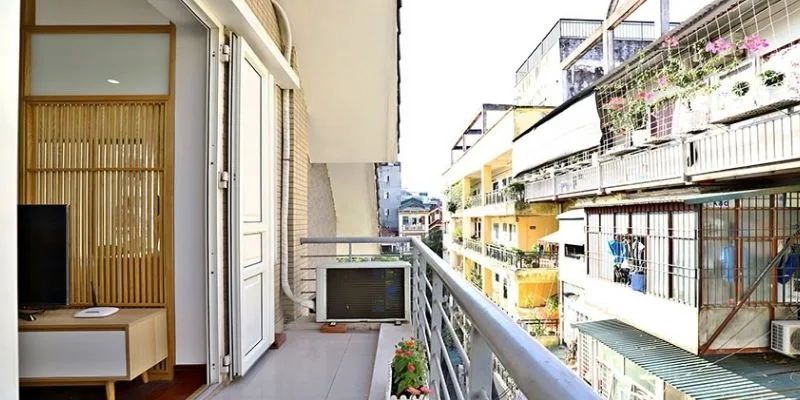
The standard balcony is the most ubiquitous feature across nearly all multi-story residential buildings. It is an integral component of the apartment’s design. It is typically accessible via a large sliding glass door from the main living area or a bedroom.
Defining Features
- ベランダ (Beranda): This type is strictly defined by having an overhead roof. The roof is structurally provided by the floor of the unit located directly above. This structural feature is highly advantageous for practical daily activities. It offers reliable protection from light rain or snow. This ensures that items like laundry remain dry. This is the most common setup in mid-rise buildings.
- バルコニー (Barukonī): This term refers to an outdoor platform that or may not possess an overhead roof. Barukonī spaces are sometimes slightly deeper than Beranda spaces but are still characterized by being narrow and elongated. The primary purpose remains focused on ventilation and maintenance access.
Elevated Lifestyle Comfort and Mental Health
The size of these standard balconies rarely exceeds 3 to 4 square meters. Their depth is legally restricted based on the building’s floor area ratio (FAR).
- Primary Function: Laundry and Drying: It serves as the primary, and often only, space for air-drying clothes. Japanese laundry practices rely heavily on natural drying, even in units equipped with in-unit dryer functions.
- Limited Furnishing: Due to the narrow depth, furnishing options are restricted to small, fold-away items. These include a single small folding table, a folding chair, or slim planters.
- Aesthetic Impact: The glass door leading to the balcony is small. However, it significantly enhances the perceived size of the adjacent room. This architectural feature increases natural daylight throughout the home.
The Exclusive Space: ルーフバルコニー (Rūfu Barukonī)
The Rūfu Barukonī (Roof Balcony) is a highly desirable, premium amenity that dramatically redefines the scope of apartment living. It is a large, private terrace built on the structurally reinforced roof of a lower section of the building. These spaces are typically reserved for top-floor (or penthouse) units due to their unique structural placement.
Defining Features
Rūfu Barukonī, also known as rooftop balconies, represent the most premium type of balcony in Japanese apartments. They offer an exceptional open-air experience, usually found in modern high-rise buildings. Before diving into the specific benefits, here are the key features that make these balconies so desirable:
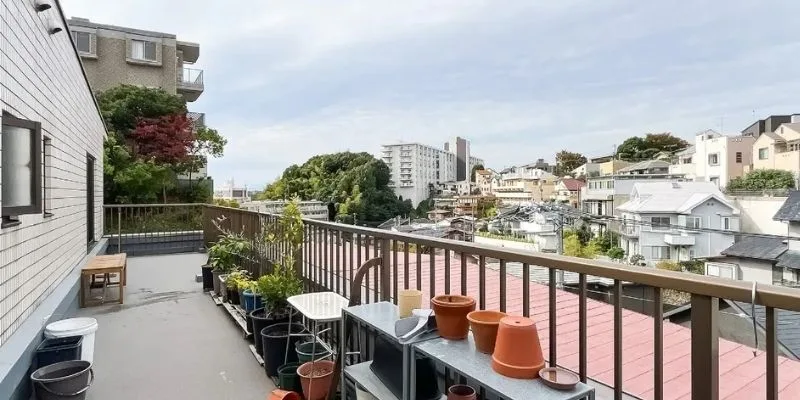
- Size and Scope: Rūfu Barukonī spaces are expansive. They often measure 10 to 50 square meters or more. These areas provide usable outdoor living space comparable to a small garden.
- Exposure: They are typically open to the sky with no obstruction overhead, providing abundant sunlight and superior air circulation. This unobstructed exposure results in unparalleled natural light throughout the adjacent apartment.
- Views and Privacy: Located on the highest floors, these balconies offer stunning panoramic city views. This is a significant factor in apartments in Tokyo Japan. The distance from neighboring buildings also contributes to a higher degree of privacy compared to standard balconies.
Premium Usage and Strict Regulations
The expansive nature of the Rūfu Barukonī allows for a luxurious outdoor lifestyle. However, this freedom is balanced by stringent building management rules.
- Recreational Activities: This space is perfect for recreational pursuits. Activities include extensive container gardening. There are also options for outdoor dining setups and dedicated sunbathing areas. Tenants must verify specific rules regarding the use of open flames, such as for barbecuing.
- Structural Limitations: While large, the space has weight limits. Tenants must avoid placing heavy objects. These include large stone statues, full-sized hot tubs, or excessively heavy soil containers. These could compromise the roof’s structural integrity or drainage system.
- Common Area Status: Crucially, the Rūfu Barukonī is legally classified as a “shared common area” (共用部分 – Kyōyō bubun). This is for emergency use, specifically for a fire escape. This classification mandates that the perimeter must remain completely clear of obstruction at all times. The partition wall leading to the neighbor’s roof balcony should be unobstructed.
Why Prioritize an Apartment with Balcony in Japan?
Securing an apartment with balcony Japan is often non-negotiable for foreign residents. The decision is driven by a combination of practical utility and the enhanced lifestyle it affords in dense urban environments.
Essential Daily Utility
The Japanese climate, characterized by high humidity, makes air drying laundry an efficient and necessary practice. The balcony provides the optimal environment for this.
- Efficient Drying: Air circulation on a balcony significantly reduces drying time. Indoor drying is prone to causing mildew or damp odors.
- Safe Storage: It serves as the primary designated area for household items best kept outside the main living space. Examples include drying racks, brooms and mops, and oversized recycling materials.
- Natural Light Source: The proximity of a large glass door and the external balcony maximizes the penetration of natural light. This directly influences the tenant’s mood. It minimizes the need for indoor lighting while the sun is out.
Improved Living Comfort and Mental Well-Being
In densely populated cities, having a private outdoor retreat is invaluable for mental well-being. It is also a prime feature of desirable apartments in Tokyo Japan.
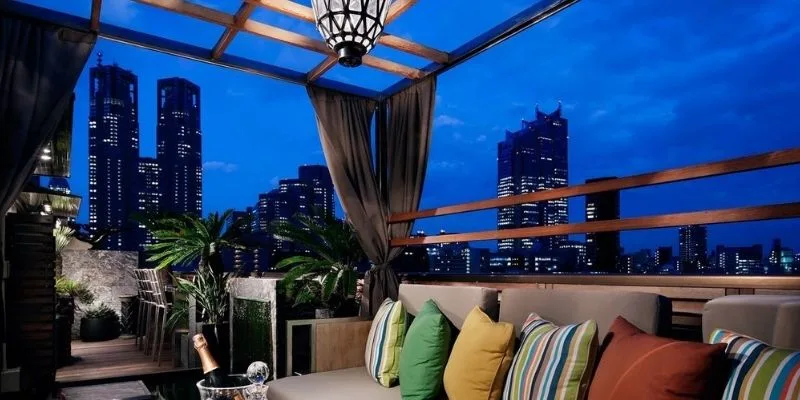
- Personal Retreat: The balcony provides a sanctuary for quiet relaxation. It allows tenants to step outside without leaving the privacy of their home. This is particularly appreciated in compact floor plans.
- Aesthetic Appeal: The space allows tenants to personalize their unit’s exterior. They can decorate with seasonal flowers, decorative lights, or small water features. This creates a more personalized and welcoming environment.
- Pet-Friendly Space: A well-maintained balcony offers a secure outdoor area for pets. This could include a catio for felines or a designated potty area for dogs. It is important to strictly follow all rules about cleanliness and noise.
Navigating Apartments in Tokyo Japan Rental Rules
Tokyo’s rental market, including Japan tokyo apartment rent, is highly regulated. Tenants of apartments with balconies must adhere to strict rules. This is especially true regarding Rūfu Barukonī usage. These areas are technically considered common areas for emergency purposes.
- No Permanent Structures: Tenants cannot install permanent fixtures such as sheds, large fixed awnings, or solid walls.
- Emergency Access: The balcony must always remain unobstructed, as it functions as an evacuation route or access point for firefighters. Objects blocking the partition wall (which opens for emergency escape) are strictly prohibited.
- Noise and Odor Control: Activities that generate excessive noise or strong odors are frequently banned. This includes barbeques, loud gatherings, or heavy smoking. These measures help maintain harmony with neighboring residents.
Securing Your Premium Property with Arealty
When searching for the perfect apartment for rent Japan with your desired outdoor space, partner with a specialized real estate agency. This partnership is paramount. Arealty has established expertise in connecting international residents with premium housing options. This includes those featuring exclusive Rūfu Barukonī and prime apartments in Tokyo Japan.
Our dedicated agents possess the intricate knowledge required to navigate Japanese lease agreements and the complex regulations governing common areas. We guarantee that you fully comprehend the specific rules governing your chosen balcony or terrace before signing any documentation.
- Bilingual Expertise: Our team provides seamless, accurate communication in both English and Japanese. This entirely eliminates the language barrier. Such barriers are often encountered when dealing with complex legal and lease terms.
- Exclusive Listings Access: We leverage an extensive network to provide access to exclusive listings. This significantly increases your chances of securing a top-floor unit with a desirable Rūfu Barukonī. These units are often located in highly competitive and sought-after locations.
- Transparent Guidance: We offer unambiguous, professional explanations of complex topics unique to the Japanese rental market. These include Reikin (Key Money), Hoshō-nin (Guarantor) requirements, and specific building regulations. This empowers you to proceed with absolute confidence.
Many apartments with balcony in Japan offer peaceful city views, extra storage opportunities, or multifunctional outdoor corners perfect for relaxing. Whether you’re searching in central Tokyo or quiet residential neighborhoods, you will find a variety of options. They range from compact studio balconies to spacious terraces. Such layouts are especially suitable for individuals seeking long-term stability. With Arealty’s curated selection, you can easily discover units that align perfectly with your lifestyle needs.
Conclusion
Choosing between a standard Beranda and a luxurious Rūfu Barukonī is a decision balancing budget against lifestyle aspirations. The essential Apartment with balcony Japan serves a vital role. It provides functional utility for laundry. It also offers an invaluable outdoor sanctuary in the dense urban landscape. Understanding the specific terminology and adhering to building regulations are the keys to a successful tenancy in Japan.
Your priority might be the practicality of a covered Beranda. Alternatively, it could be the extensive recreational space of a Rūfu Barukonī. Securing the right property requires specialized guidance.
Contact Arealty today to speak with a property expert. Find the apartment with a balcony in Japan you’ve always wanted. Begin your new life in Tokyo with the perfect blend of urban convenience and exclusive outdoor luxury. We are committed to making your transition to life in Japan efficient, professional, and successful.


Leave a Reply