Last updated: October 2026 · By Lucy Nguyen, Marketing Specialist at A-Realty
Short answer: Yes, foreigners can buy a house in Japan with full freehold ownership (所有権). You do not need a visa to buy, and you do not need permanent residency to get a mortgage at several Japanese banks. A cash purchase takes 7 steps and about 1 to 2 months. A bank mortgage takes 8 steps and about 2 to 4 months. Budget an extra 6 to 8% of the price for a cash purchase, or 8 to 10% with a mortgage.
This guide walks you through buying a house in Japan from the first viewing to the day you get your keys. It covers both payment routes, the documents you need, a real cost breakdown for a ¥50 million home, and which banks lend to foreigners without permanent residency.
Key facts at a glance
| Cash purchase (現金一括) | Bank mortgage (住宅ローン) | |
|---|---|---|
| Number of steps | 7 | 8 |
| Timeline | 1 to 2 months | 2 to 4 months |
| Paid upfront | 100% of price | 10 to 20% of price |
| Extra costs | 6 to 8% of price | 8 to 10% of price |
| Best for | Anyone, including buyers overseas or without a Japanese visa | People living and working in Japan, with or without permanent residency |
| Main advantage | Fast, fewer documents, stronger negotiating position, no interest | Keep your cash, low rates, mortgage tax credit (住宅ローン控除) |
Cash or mortgage: how should you pay when buying a house in Japan?
Your payment method decides almost everything else: which documents you prepare, how many steps you follow and how much you pay in extra costs. So choose it first.
Option A: Cash purchase. This route is open to everyone. That includes buyers who live overseas and people who hold no Japanese visa at all. It is the fastest route and needs the fewest documents. Sellers also prefer cash buyers, which gives you more room to negotiate the price.
Option B: Bank mortgage. This route suits people who live and work in Japan. Permanent residency (永住権) helps, but it is not required. Several banks lend to foreign residents without it. A mortgage lets you keep your savings, borrow at low rates and claim the mortgage tax credit for up to 13 years.
What type of property are you buying?
In Japan, more than one word can mean “apartment”. The property type affects your costs, your taxes and whether a bank will lend on it.
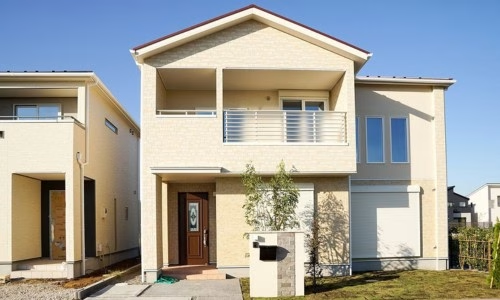
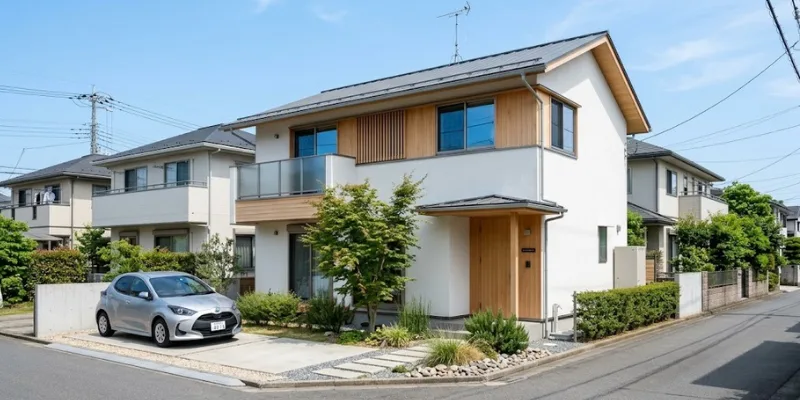
- Detached house (一戸建て): You own the land and the building. There is no monthly management fee, but repairs are your job. Wooden houses lose value fast. After 20 to 25 years, most of the value sits in the land (土地).
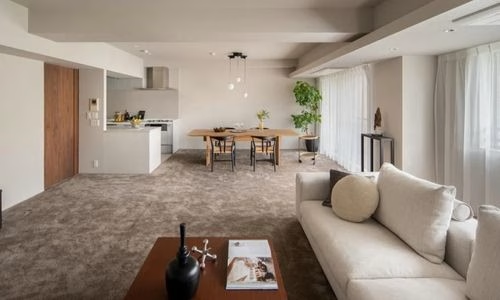
- Condominium (分譲マンション): A reinforced-concrete building sold unit by unit. Owners pay a monthly management fee (管理費) and a repair reserve (修繕積立金). In Tokyo these usually total ¥20,000 to ¥30,000 a month. Central condos hold their value well and are easy to rent out.
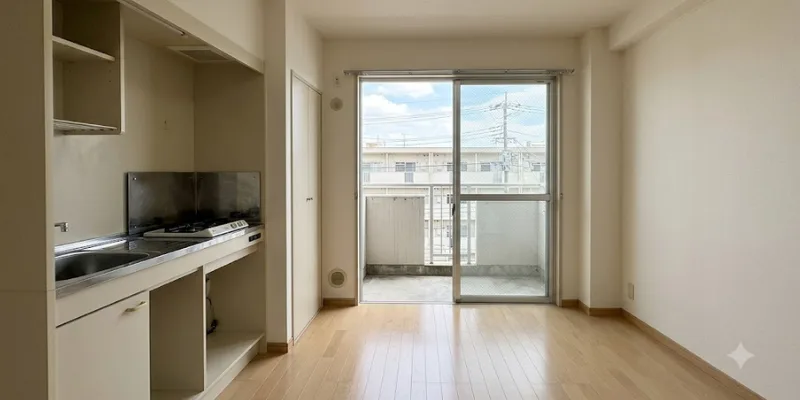
- Low-rise apartment building (アパート): A 2- or 3-storey wood or light-steel building built mainly to rent out. It is usually sold as a whole building (一棟) to investors. When most people say they want to “buy an apartment”, they mean a マンション.
New build or pre-owned? A new build (新築) is sold directly by the developer. The buyer usually pays no brokerage fee, and property tax on the building is halved for 3 years (houses) or 5 years (condos). Extra costs are about 3 to 5%. A pre-owned home (中古) is cheaper and offers more choice in good locations. Look for buildings approved after June 1981 under the new earthquake code (新耐震基準), as banks finance them more easily.
For current price ranges by city and property type, see our guide on how much a house in Japan costs.
What documents do you need?
Residents of Japan and buyers overseas prepare different documents. Mortgage applicants also need income documents.
A. If you live in Japan
- Passport (パスポート)
- Residence card (在留カード): it must be valid, and the bank and judicial scrivener will copy it
- Certificate of residence (住民票): from your city or ward office, or a convenience store with your My Number Card
- Seal registration certificate (印鑑証明書): register your official seal (実印) at the city office first
B. If you live overseas
- Passport
- Proof of address (在留証明): from a Japanese embassy or consulate, or a notary in your country
- Signature certificate (サイン証明): this replaces the seal registration certificate
- Power of attorney (委任状): needed if someone in Japan signs or receives the handover for you
C. Extra documents for a mortgage
- Income certificate (源泉徴収票): 1 to 3 years, issued by your employer each year end
- Tax certificate (課税証明書): from your city or ward office
- Employment certificate (在職証明書): self-employed applicants submit 3 years of tax returns instead
- Health insurance card (健康保険証): proof of social insurance enrolment
- Property documents (物件資料): flyer, floor plan and registry extract, which your agent prepares
What do banks look for? Stable income, 1 to 3 years with your current employer (3 years if self-employed), taxes and insurance paid in full, and an age under 80 at final repayment. Your visa type also matters, as we explain in how visa status affects your home loan.
Buying a house in Japan with cash: the 7-step process
A cash purchase usually takes 1 to 2 months from offer to keys.
- Search and viewings (内見). Your agent searches the whole market, including REINS, developers and off-market listings, and joins you at viewings.
- Purchase application (買付証明書) and price negotiation. This is not a contract yet, and no money changes hands. Paying in cash puts you in a strong position to negotiate.
- Explanation of important matters (重要事項説明). A licensed real estate transaction agent (宅地建物取引士) explains the legal details. A good agency walks you through them again in your language.
- Sign the sales contract (売買契約) and pay a 5 to 10% deposit. If you cancel, you lose the deposit. If the seller cancels, they pay you double.
- Settlement and handover (決済・引渡し). This usually happens 1 to 2 months after signing. You pay the balance, the remaining fees and the prorated property tax. Buyers overseas should note that international transfers take 3 to 7 business days and need proof of funds.
- Ownership registration (所有権移転登記). The judicial scrivener (司法書士) files with the Legal Affairs Bureau (法務局) on handover day.
- Report to the Bank of Japan within 20 days. This applies to non-residents only. It is not needed if the home is for you or your family to live in.
Buying a house in Japan with a mortgage: the 8-step process
A mortgage purchase usually takes 2 to 4 months. The big difference is that you get the bank on board before you choose a home.
- Pre-approval (事前審査), about 3 days to 1 week. Find out how much you can borrow. Applying to 2 or 3 banks at once lets you compare offers.
- Find a home and submit a purchase application. Stay within your pre-approved budget and shortlist homes that banks will finance.
- Explanation of important matters (重要事項説明). Make sure it is explained in your language before you sign.
- Sign the contract and pay a 5 to 10% deposit. Always include a mortgage contingency clause (ローン特約). It makes sure your deposit is refunded if the loan is declined.
- Final loan approval (本審査) and loan agreement, about 1 to 3 weeks. Choose a fixed or variable rate and take out fire insurance.
- Loan disbursement, settlement and handover. All three happen at the bank on the same day.
- Ownership and mortgage registration. The judicial scrivener files both the same day.
- First-year tax return (確定申告), 16 February to 15 March the following year. Claim the mortgage tax credit of 0.7% of your year-end loan balance. From year two, your employer handles it through year-end adjustment (年末調整).
Not sure which rate type fits you? Compare them in our guide to fixed vs variable rate mortgages in Japan.
How much does buying a house in Japan really cost?
Here is a worked example for a pre-owned home priced at ¥50 million. Actual figures depend on the bank, area, property type and assessed value (評価額).
| Item | How it is calculated | Cash purchase | 90% mortgage |
|---|---|---|---|
| Deposit (手付金) | 5 to 10% of price, credited toward the price | ¥2.5M to ¥5M | ¥2.5M to ¥5M |
| Upfront (頭金) | Amount not borrowed | ¥50M | ¥5M |
| Loan amount (借入額) | 80 to 90% of price | n/a | ¥45M |
| Brokerage fee (仲介手数料) | Max 3% + ¥60,000 + 10% tax | ¥1.72M | ¥1.72M |
| Stamp duty, sales contract (印紙税) | Reduced rate until 31 March 2027 | ¥10,000 | ¥10,000 |
| Registration tax (登録免許税) | Land 1.5%, building 0.3% of assessed value; mortgage 0.1% of loan | about ¥200K to ¥400K | about ¥250K to ¥450K |
| Judicial scrivener fees (司法書士報酬) | Transfer and mortgage registration | about ¥50K to ¥100K | about ¥100K to ¥150K |
| Loan handling fee (融資事務手数料) | About 2.2% of the loan | n/a | ¥990,000 |
| Total extra costs (諸費用) | Also includes insurance and acquisition tax | ¥3M to ¥4M | ¥4M to ¥5M |
| Monthly repayment | Variable 1.25%, 35 years | n/a | about ¥132,000 |
One-time costs explained
- Brokerage fee: Capped by law. It covers the search, legal checks, negotiation, contract and handover. Half is paid at signing and half at handover. New builds bought from a developer usually carry no fee. Read more in our guide to real estate agent fees in Japan.
- Stamp duty: ¥10,000 for contracts of ¥10 to ¥50 million, and ¥30,000 for ¥50 to ¥100 million. Loan contracts get no reduction: ¥20,000 or ¥60,000. The reduced rates are set out by the National Tax Agency.
- Registration tax: Land 1.5%, building 0.3% for qualifying homes, and mortgage 0.1%.
- Insurance: Fire cover costs about ¥10,000 to ¥20,000 a year, or ¥30,000 to ¥40,000 with earthquake cover.
- Real estate acquisition tax (不動産取得税): 3% of assessed value, billed a few months after purchase. Qualifying homes get a ¥12 million deduction, so it is usually very low.
Annual costs of ownership
- Fixed asset tax (固定資産税): 1.4% of assessed value, paid in 4 instalments a year.
- City planning tax (都市計画税): up to 0.3% of assessed value.
- Assessed value is usually well below the purchase price. Residential land up to 200 m² is taxed on 1/6 of its assessed value (1/3 for city planning tax).
- Condo owners also pay the management fee and repair reserve, usually ¥20,000 to ¥30,000 a month.
- House owners should set aside ¥200,000 to ¥300,000 a year for major repairs.
Buying vs renting over 10 years
Renting at ¥150,000 a month for 10 years costs ¥18 million, and you own nothing at the end. Repaying about ¥132,000 a month on a ¥50 million home means you will have paid off about ¥10.9 million of principal after 10 years. That equity is still yours.
Want your own numbers? Send us your income, visa status and preferred area, and we will reply with a cost estimate and pre-approval result within about a week.
Can you get a mortgage without permanent residency?
Yes. Based on a survey of 19 banks by Diamond Real Estate Research (Diamond 不動産研究所), these lenders accept some borrowers without permanent residency. Conditions change, so always check the latest terms.
| Bank | Conditions for borrowers without permanent residency |
|---|---|
| SMBC (三井住友銀行) | Online plan for foreign residents with a status of residence (except short-term) |
| SBI Shinsei Bank (SBI新生銀行) | Spouse must be Japanese or a permanent resident and act as joint guarantor |
| Tokyo Star Bank (東京スター銀行) | Foreign residents who can read and understand a Japanese contract |
| Sumitomo Mitsui Trust (三井住友信託), SBI Sumishin Net Bank (住信SBI) | May accept residence card holders, case by case |
| Flat 35, Mizuho, MUFG, Resona and others | Usually require permanent residency or Japanese nationality |
How to improve your chances: apply for pre-approval at 2 or 3 banks at once, raise your down payment to 20 to 30%, borrow jointly with your spouse, and choose homes that are easy to value, such as central condos and new builds. Our full guide to buying property without permanent residency goes deeper.
The mortgage tax credit (住宅ローン控除)
- 0.7% of your year-end loan balance is deducted from your income tax each year, for 10 to 13 years (move-ins from 2026 to 2030).
- Maximum eligible balance: ¥20 million for standard homes, ¥35 million for energy-efficient homes, and up to ¥45 million for households with children or young couples.
- Conditions: owner-occupied, 50 m² or more (40 m² if income is under ¥10 million), and a loan term of 10 years or more.
- Foreign tax residents qualify on the same terms as Japanese nationals.
For the latest rate data, see Japan mortgage rates in 2026.

Can you buy a home in Japan from overseas?
Yes, and you do not need to fly in. Buying a house in Japan remotely works like this:
- Everything done remotely: video viewings, e-contracts (電子契約) or signing by post, international transfers, and a power of attorney (委任状) plus signature certificate (サイン証明). The judicial scrivener can then complete the handover and registration for you.
- Report to the Bank of Japan: non-residents must report within 20 days under the Foreign Exchange and Foreign Trade Act, unless the home is for you or your family to live in.
- Tax representative (納税管理人): non-residents need a person or company in Japan to receive tax notices and pay taxes on their behalf.
- Withholding tax (源泉徴収): if you rent to a company, the tenant withholds 20.42% of the rent. When you sell, the buyer withholds 10.21% of the price. File a tax return to recover any excess.
Note that most non-residents buy with cash, as Japanese banks rarely lend to people who live abroad. For a broader overview, read our guide for foreigners buying real estate in Japan.
Key tips before you sign
- Choose location over floor area. Homes within 10 minutes of a station on a major line hold their value and are easier to rent and resell.
- Check the land. Land where rebuilding is not permitted (再建築不可) usually cannot be mortgaged. Check the local hazard map too.
- Know the new 2026 rule. From 1 April 2026, owners must register a change of name or address within 2 years, or face a fine of up to ¥50,000.
- Ask the right questions. Use our list of key questions to ask a real estate agent in Japan before your first viewing.
Frequently asked questions
Yes. Banks mainly look at your income, length of employment, and tax and insurance history. Several banks, including SMBC and Tokyo Star Bank, lend to foreign residents without permanent residency.
Yes. You can view homes by video, sign electronically or by post, and give the judicial scrivener a power of attorney to handle the handover. You will also need a tax representative in Japan.
No. Owning property does not grant a status of residence. You must qualify for a visa separately.
Variable rates are about 1.2 to 1.3% but can rise. Flat 35 fixed rates are about 3.3 to 3.5% (September 2026). Compare simulations from 2 or 3 banks before deciding.
Yes. Rental income from Japanese property is taxed in Japan. Non-residents pay it through their tax representative.
If you have owned the home for over 5 years, the tax on the gain is about 20.315%. Under 5 years, it is 39.63%. Selling your own home qualifies for a ¥30 million special deduction.
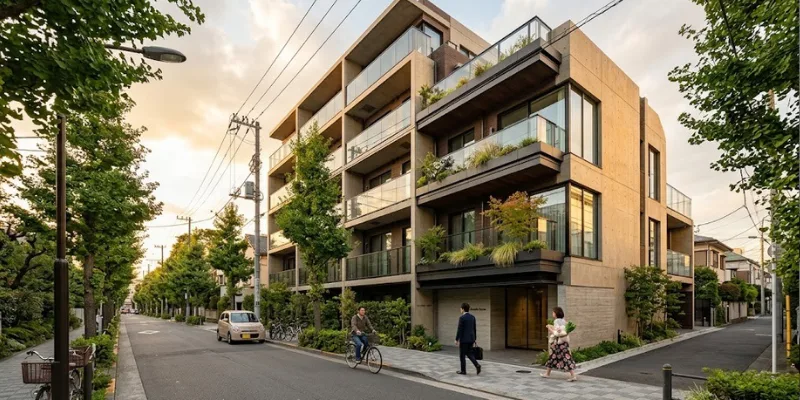
Start buying your home in Japan with A-Realty
Your first step is free: find out how much you can borrow. Send A-Realty your income, visa status and preferred area. Within about a week, you will receive a pre-approval result and a shortlist of homes.
A-Realty has helped over 1,000 international clients from 40+ countries, with a 5.0 rating from 211 Google reviews. We work in 7 languages: Vietnamese, English, Japanese, Chinese, Russian, Indonesian and Burmese. Consultation, search and viewings are free.
Prefer to talk? Visit arealty.jp or call Tokyo 03-6302-1215 / Osaka 06-6476-9651 (10:00 to 19:00, closed Sundays and Wednesdays).
For reference only, updated October 2026. Rules, tax rates and lending conditions change over time and by case. Sources: Ministry of Finance Japan, Legal Affairs Bureau, National Tax Agency No.7108, Diamond Real Estate Research, LIFULL HOME’S and others.

Real estate advisor at Arealty Japan, specialising in helping foreign residents navigate the Tokyo and Osaka rental markets. Lucy has guided hundreds of international renters — from Working Holiday visa holders to corporate relocations — through Japan’s apartment application process. Her writing draws on firsthand experience with landlord screening, guarantor companies, and foreigner-friendly listings across all 23 Tokyo wards and major Kansai cities.