
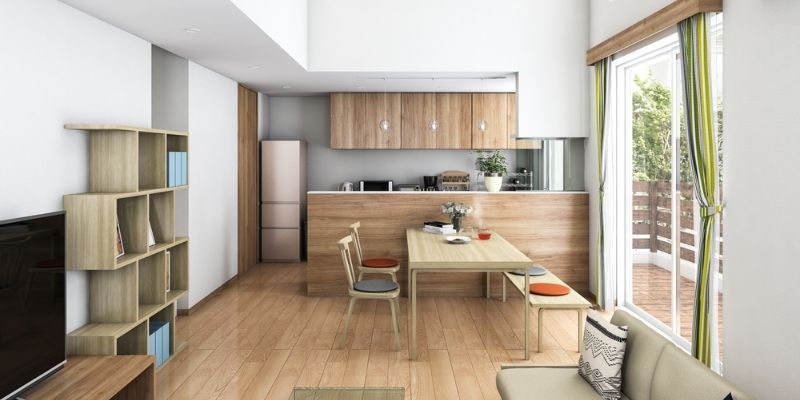

Understanding a Japanese apartment layout is essential when searching for a place to live in Japan. These layouts follow a unique system that highlights the number of rooms, available living space, and how different areas of the home are arranged. Knowing how to read them helps you make informed decisions, avoid surprises, and choose a space that fits your lifestyle and daily needs. Whether you’re renting or buying, getting familiar with common layout terms ensures a smoother housing search across Japan.
How Floor Plans Are Labelled in Japan
When looking for apartments in Japan, you’ll frequently see abbreviations like 1K, 2LDK, or 3DK. These codes offer a simple way to quickly grasp the apartment’s layout and the number of rooms it contains. They help renters understand if the unit has one or more bedrooms, plus additional spaces like a living room, kitchen, or dining area, making it easier to find a place that suits their lifestyle. Common symbols frequently found in apartment floor plans or descriptions include:
- R – Room: Bedroom or main room
- K – Kitchen: Cooking area
- D – Dining: Dining space
- L – Living: Living room
- S – Storage or Service room: Storage space or utility room
The number before the letters indicates how many bedrooms or main rooms the apartment contains; for example, 2LDK means the apartment includes two bedrooms along with a living room, dining area, and kitchen.
What You Should Know About 1K, 2K, and Similar Layouts
When searching for apartments in Japan, you’ll often come across codes made up of numbers and letters. These codes help describe the number of main rooms (usually bedrooms) and how different functional areas like the kitchen, dining, and living spaces are arranged. The number at the beginning tells you how many primary rooms the apartment has, while the letters indicate specific areas such as cooking, eating, or relaxing zones.
The common letters you’ll see are K for kitchen, D for dining area, and L for living room. Combining these with the number gives a quick overview of the apartment’s layout and how space is divided among different functions.
Apartments with simpler layouts and smaller sizes are usually ideal for individuals or students. Meanwhile, places that include a living room and dining area tend to suit couples or small families better. Before making a decision, it’s important to carefully review the floor plan and clearly understand your space needs to find the right fit.

Japanese apartment codes, showroom count, and space layout.
Inside a 2LDK Home in Japan
The 2LDK apartment is a popular choice in Japan, suitable for couples, small families, or individuals who need extra space for work or daily activities. Typically ranging from 50 to 80 square meters, these apartments feature two separate bedrooms along with a combined living room, dining area, and kitchen. One bedroom is usually positioned near the balcony to take advantage of natural light, while the other is located closer to the entrance for added privacy.
The flexible layout allows for the living space to be expanded or one of the bedrooms to be converted into a home office, children’s room, or main bedroom, depending on your needs. This type of apartment is ideal for couples seeking both private and shared areas, families requiring an additional room for kids or study, and remote workers who want a quiet space to focus.

2LDK suits couples, families, or remote workers needing space.
What Defines a 1-Bedroom Unit in Japanese Cities
In Japanese cities, a 1-bedroom apartment commonly known as a 1LDK stands out by clearly separating the sleeping area from the rest of the living space. Unlike smaller units like 1R, which combines all functions in one room, or 1K, which includes a small kitchen in the same room, a 1LDK offers a distinct bedroom plus a combined living, dining, and kitchen area, providing residents with more privacy and comfort.
These apartments usually range between 30 and 50 square meters, with the living and dining space often taking up at least 12.4 square meters. This design works well for single occupants wanting a private bedroom and a roomy common area, couples who prefer separate zones for sleeping and socialising, and people who work from home needing a clear division between work and rest.
The 1LDK layout is appreciated for its smart use of space, allowing residents to keep their living, sleeping, and working areas distinct. Although rental prices tend to be higher than smaller options like 1K or 1DK, many find the extra space and separation worth the cost for a more comfortable urban lifestyle.

1LDK offers privacy, comfort, and space for city living.
2K vs. 2LDK: Which Floor Plan Works Better?
When looking for apartments in Japan, two popular layouts you’ll encounter are 2K and 2LDK. Each offers unique features tailored to different lifestyles and preferences.
A 2K unit usually consists of two main rooms along with a compact kitchen space, often separated by a door or wall. These apartments generally span between 25 and 35 square meters, making them suitable for individuals or couples who prefer a simpler, more efficient living area.
In contrast, a 2LDK includes two bedrooms plus a living room, dining area, and kitchen. These spaces tend to be larger, ranging from 50 to 70 square meters, offering more room for small families, couples who need additional space, or those who require a dedicated area for work.
Deciding between a 2K and a 2LDK largely depends on your daily routine and space needs. If you prioritise affordability and straightforward living, a 2K may be the best option. However, if you value separate living zones and a bit more flexibility, a 2LDK is likely a better fit.

2K suits simple, affordable living; 2LDK offers more space and flexibility.
3LDK Layouts and Who They’re Built For
A 3LDK apartment in Japan offers spacious and flexible living, ideal for families of three to five or anyone needing extra room. It includes three separate bedrooms, a living room, dining area, and kitchen, clearly dividing private and common spaces.
Typically sized between 70 and 80 square meters, these apartments provide comfortable space for families, remote workers, or groups sharing a home. The layout often features an open or semi-open kitchen connected to the living and dining areas, plus three distinct bedrooms.
This setup works well for parents and children, those who need a home office, or roommates seeking privacy. Sliding doors can expand the living area for larger gatherings. When choosing a 3LDK, check the floor plan, natural lighting, and nearby amenities to ensure it fits your needs. Overall, 3LDK units balance privacy and shared space, making them a versatile option in Japanese housing.

Spacious 3LDK homes balance privacy and shared family living.
Choosing the Right Layout for Foreigners Living in Japan
When searching for housing in Japan, it’s important to understand the common abbreviations used to describe apartment layouts. These codes reveal how many rooms there are and what kind of shared spaces are included:
- R: Single room
- K: Kitchen area
- D: Dining space
- L: Living room
- S: Storage or utility room
For instance, a 2LDK means there are two separate bedrooms along with a combined living, dining, and kitchen area. The number indicates the count of private rooms besides the shared spaces.
How Room Sizes Are Measured
In Japan, room dimensions are often given in tatami mats (畳 or “jō”), a traditional unit where one mat equals roughly 1.62 square meters. So a “6畳” room is close to 9.7 square meters. This method is still popular for defining bedroom or living room size.
Advice for Foreigners Picking a Layout
- Evaluate Your Space Needs: Think about how much room you need. If you work remotely, layouts like 1LDK or 2LDK help separate your work area from your living space.
- Know the Terminology: Getting familiar with these abbreviations can prevent misunderstandings when browsing listings.
- Take Traditional Rooms into Account: Some apartments come with tatami mats, which add charm and flexibility but might require special furnishings.
- Verify Included Facilities: Make sure the apartment offers essentials such as heating, cooling, and enough storage.
- Respect Cultural Practices: Be aware of common apartment rules like quiet hours, trash sorting, and visitor policies to avoid issues with neighbours.
- Seek Professional Help: Consider working with real estate agents or platforms that specialise in assisting foreigners, making the process smoother and less stressful.
By grasping how Japanese apartments are organized and matching that with your lifestyle, you can find a living space in Japan that fits you well and feels like home.
Conclusion
Understanding layout codes like 1K, 1LDK, or 2LDK is key to finding a home that suits your lifestyle. If you live alone or with a partner, a 1K or 1LDK may be just right. For small families, a 2LDK offers a good balance of private and shared space. Larger families or shared living groups might prefer a 3LDK for added room and comfort.
When picking a place, consider natural light, available furnishings, and proximity to transport or daily amenities. Planning to lease or purchase a property in Japan? Reach out to An Lac for helpful, personalized support.



Leave a Reply