
So you’ve just fallen in love with one of those adorable kittens for sale in Japan, and now you’re ready to bring your new furry friend home. However, not every apartment in Tokyo (or anywhere in Japan) welcomes pets, especially cats. Before settling in with your new companion, it’s crucial to understand how to rent a cat-friendly apartment that fits your lifestyle, your kitten’s needs, and your monthly salary in Japan.
Not All Pet-Friendly Apartments Are Cat-Friendly
When searching for a rental in Japan, you’ll often see listings marked with ペット可 (pet-friendly). While this seems promising, many landlords mean “dogs only”. Cats are often not included due to concerns about scratching, shedding, or leaving behind lingering odours.
Landlords tend to believe that cats can cause hidden damage, like claw marks on wooden floors or torn shoji (paper doors), that’s harder to repair. Even though cats are quieter and less disruptive than dogs, some property owners still hesitate to allow them.
To avoid confusion, always look for the term 猫可 (cat-friendly) in the listing. This specific keyword ensures the landlord has explicitly agreed to allow cats, not just pets in general. Without it, you might run into trouble after signing the lease.
If you’ve recently found kittens for sale in Japan or are already a cat owner, choosing the right apartment is essential. Filtering for 猫可 properties from the start will save you time, money, and stress, especially if you’re renting on a normal salary in Japan or just moved to Tokyo.

Cat-friendly rental signs in Japan
Where to Find Apartments That Allow Cats in Japan
If you’re planning to live with a kitten in Japan, finding the right apartment starts with choosing the right platform. Thankfully, there are plenty of websites, both in Japanese and English, that help renters locate pet-welcoming properties, including those that accept cats.
For renters comfortable with Japanese, platforms like Suumo, Homes, and Chintai offer thousands of listings across Tokyo and surrounding suburbs. These sites often include detailed filters that can help narrow your options based on pet policies, location, and price.
If you prefer to browse in English or need extra support as a foreigner, consider using platforms like Arealty.jp, GaijinPot Housing, or At Heart. These websites specialise in serving international renters and often highlight listings that don’t require a guarantor or key money, ideal for newcomers to Japan.
When apartment hunting, be sure to apply filters such as 猫可 (cat-friendly), 礼金なし (no key money), and 保証人不要 (no guarantor required). You should also search for units within a 10–20 minute walk of a train station to make commuting easier. These features are especially valuable if you’re working with a middle-class salary in Japan or aiming to manage costs while living with a pet.

Best platforms for cat rentals
Suburban Tokyo: A Better Bet for You and Your Kitten
Living in the heart of Tokyo, areas like Shibuya, Minato, or Meguro might sound exciting, especially for newcomers. These neighbourhoods are filled with shopping, nightlife, and fast-paced energy. Still, being in the heart of the city usually involves paying more. Rental prices in central Tokyo are among the highest in Japan, and landlords in these areas often enforce stricter rules about pets, especially cats. If you’re planning to rent with a kitten, these districts may be more challenging to navigate, both in terms of budget and pet acceptance.
Fortunately, there’s a more practical and affordable option: suburban Tokyo and nearby satellite cities. These locations offer a healthier environment for you and your kitten, think quieter streets, cleaner air, and more room to breathe. Not only are the apartments generally larger, but landlords are also more open to renters with pets. If you’re earning a middle-class income in Japan or working within the average salary range, these outer wards offer a great balance between comfort and affordability.
Some top picks for cat-friendly neighbourhoods include:
- Setagaya – Known for its residential charm, parks, and family-friendly atmosphere
- Nerima – A budget-conscious choice with excellent transit links and local green spaces
- Adachi – Offers some of the lowest rent within the 23 Tokyo wards, plus easy train access
- Chofu and Koganei – Located just beyond central Tokyo, these areas feature relaxed pet policies and a slower pace of life.
These suburbs in Japan are perfect for renters who value space, peace, and affordability. They’re also well-suited for people earning a normal salary in Japan, and even those on the minimum wage in Tokyo, especially when combined with smart budgeting and early apartment hunting.
Whether you’re a long-term resident or newly arriving with your kitten, don’t overlook Tokyo’s quieter corners. You might find the perfect home waiting just a few train stops away from the city centre.
Pet-Related Rental Costs to Plan For
Adding a kitten to your life is exciting, but it can also increase your monthly expenses, especially when renting in Japan. Many landlords impose additional charges for tenants with pets, and cats often come with stricter conditions than dogs.
Here are some typical extra costs to expect:
- Pet surcharge: Usually 5–20% surcharge is usually added to your base rent
- Extra deposit (敷金): Often equivalent to one month’s rent to cover any damage
- Pet-specific cleaning fee: Charged when moving out to restore the apartment
- Optional pet insurance: Some properties require liability coverage for pets
If you’re earning a minimum salary in Japan, approximately ¥180,000 per month, these extra fees can stretch your budget. That’s why it’s important to factor them in early. With careful planning, you can keep your living costs under control while giving your kitten a safe, welcoming home.
What Type of Apartment is Suitable for You and Your Kitten?
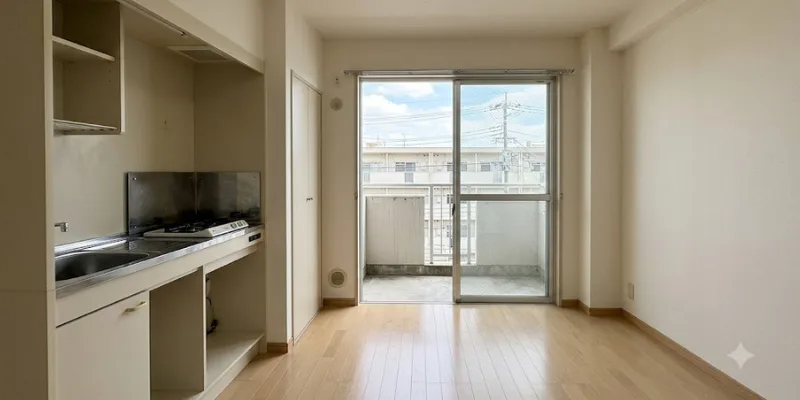
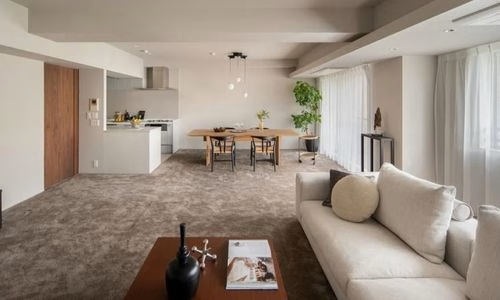
If you’re living alone with a cat in Tokyo, compact apartment types like 1K, 1DK, or 1LDK offer a practical solution. These layouts are budget-friendly, easy to maintain, and perfect for individuals earning the median salary in Japan (roughly ¥4.5–5 million annually).
When browsing listings, look for features that support both comfort and safety:
- Durable, scratch-resistant flooring to protect your deposit and ease cleaning
- Balconies with secure fencing or fully enclosed areas to prevent escapes
- Window safety screens so your kitten can enjoy sunshine and breeze without risk
- Dedicated space for essentials like a litter box, food bowl, and a small cat tower
- Peaceful surroundings, such as low-traffic streets or proximity to parks
These design elements not only make daily life easier, but they also create a calm and enriching home environment for your pet. The more thoughtfully you choose your space, the happier both you and your kitten will be in your Tokyo apartment.
Tips for Foreigners Renting with a Kitten in Japan
Finding a pet-friendly apartment in Japan can be challenging, especially if you’re new to the country. That said, taking the right steps can make it possible. Start by working with bilingual real estate agents like Arealty.jp, who understand both the housing system and pet-related concerns.
It also helps to create a brief kitten profile including photos, vaccination records, and basic details like age and breed. This shows landlords you’re responsible and well-prepared. Being polite, upfront about your pet, and willing to pay an extra deposit if needed can also go a long way.
Whether you’re earning a steady salary in Japan or still adjusting to a new job, clear communication and preparation can make the rental process much smoother for both you and your furry friend.

Tips for renting with a kitten
What Documents Do You Need to Rent an Apartment with a Cat in Japan?
Looking to rent a cat-friendly apartment in Japan? As a foreigner living with a kitten, being well-prepared with the right documents is essential. It not only helps streamline the rental process but also builds trust with landlords who may be cautious about tenants with pets. These are the key things to prepare ahead of time:
- Passport and residence card (在留カード): These serve as legal proof of your identity and visa status in Japan. Most landlords and agencies will require both at the application stage.
- Proof of employment or income stability: This could be recent pay slips, a full-time job offer, or a letter from your employer. If you’re earning a normal or middle-class salary in Japan, showing consistent income helps demonstrate your financial reliability.
- Kitten details and health records: Bring clear information about your cat, photos, vaccination history, age, and breed. This reassures the landlord that you’re a responsible and prepared pet owner.
- Guarantor or rental guarantee company information: Many Japanese leases require a guarantor (保証人). If you don’t have one, you can use a rental guarantee company instead, which many foreigners find helpful.
- Pet addendum or written agreement: Some properties will require you to sign an additional document acknowledging pet-related rules, possible extra costs for cleaning, or responsibility for any damage.
Having these documents organised beforehand gives you an advantage, especially when competing for pet-accepted units. It also shows landlords that you understand the local rental process and are ready to be a respectful, reliable tenant, qualities they value, especially when animals are involved.
Rules and Responsibilities of Cat Owners in Japanese Rentals
Although cats don’t need to be officially registered like dogs in Japan, pet owners renting an apartment still have important responsibilities, especially when living in buildings with shared walls or facilities.
As a tenant with a kitten, you should:
- Keep your apartment clean and free of damage, especially from scratching or litter issues
- Respect noise and odour guidelines in your lease to avoid complaints
- Ensure your cat receives proper vaccinations and regular veterinary care
- Plan for business trips or vacations by using pet hotels or reliable sitters
Being thoughtful about your kitten’s impact on the space helps you maintain a good relationship with landlords and neighbours. It also shows you’re a reliable tenant, something that’s especially important when renting with pets in Japan.
Conclusion
Renting an apartment in Tokyo with a kitten might take a bit more planning, but it’s possible. By choosing the right neighbourhood, staying open-minded, and working with trusted bilingual agents like Arealty.jp, you can secure a comfortable space that suits both your lifestyle and your cat’s needs.
Whether you’re living on a middle-class salary in Japan or managing your budget on a minimum income, the key lies in smart apartment hunting and being well-prepared. From filtering for 猫可 (cat-friendly) listings to understanding local pet policies, each step gets you closer to a happy home.
So don’t hesitate, start your Tokyo apartment search today and give your kitten a cozy place to grow in one of the most pet-welcoming countries in the world.

Real estate advisor at Arealty Japan, specialising in helping foreign residents navigate the Tokyo and Osaka rental markets. Lucy has guided hundreds of international renters — from Working Holiday visa holders to corporate relocations — through Japan’s apartment application process. Her writing draws on firsthand experience with landlord screening, guarantor companies, and foreigner-friendly listings across all 23 Tokyo wards and major Kansai cities.