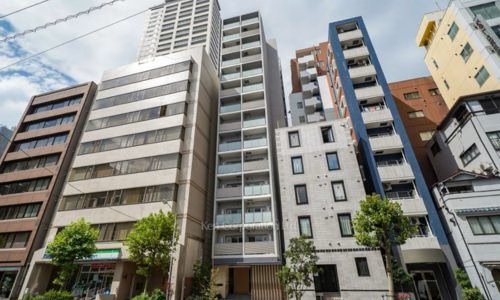

If you’re thinking of moving to Tokyo and looking for a neighborhood that blends electric energy with daily convenience, Akihabara might just be the perfect fit. Known globally as the hub for electronics, anime culture, and gaming, Akihabara offers more than just shopping, it’s a vibrant place to live, especially for singles, young professionals, and digital creatives. Let’s break down what it’s really like to rent an apartment in Akihabara, from costs and options to lifestyle and income considerations.
Why Live in Akihabara?
Nestled in central Tokyo, Akihabara stands out not only as the city’s famed electronics and anime capital but also as a surprisingly livable urban district. Its strategic position places it within minutes of Tokyo’s key commercial and cultural zones, thanks to its direct access to vital train lines such as the JR Yamanote, Chuo, and Sobu lines. For professionals working in areas like Shinjuku, Tokyo Station, or even Roppongi, daily commuting from Akihabara is efficient and straightforward.
Beyond the neon lights and buzzing arcades, the neighborhood supports a lifestyle of convenience and comfort. Residents benefit from an abundance of 24-hour convenience stores, independent coffee shops, fast-casual restaurants, and lightning-fast internet connections, features that make it especially attractive to freelancers, students, and tech-savvy remote workers.
While tourists tend to congregate along the main streets filled with gadget stores and pop culture hubs, those who choose to live in Akihabara soon discover its quieter side. Just a short walk from the central chaos reveals side streets with calm residential buildings, tree-lined alleyways, and cozy local eateries. It’s a rare part of Tokyo where you can enjoy the city’s vibrant energy during the day and retreat to a peaceful home environment by night, all without ever needing to hop on a train.

Live smart in Akihabara
Apartment Types in Akihabara: What’s Available?
The Akihabara residential market offers a wide selection of apartment types, catering to a range of lifestyles and budgets. Those living alone often opt for compact studio units, known locally as 1R or slightly larger 1K layouts that include a small kitchen separate from the main room. These spaces are ideal for working professionals, students, or newcomers seeking efficiency and simplicity.
For those who require more room such as couples, roommates, or individuals who work from home, Akihabara also has larger floor plans, including 1LDK and 2LDK units. These configurations typically feature a living room, dining area, and full kitchen, providing a more spacious and comfortable setting for daily life.
Most apartment buildings in the area are relatively modern, with many built or renovated within the last two decades. High-rise complexes commonly include amenities such as secure entry systems, elevators, parcel lockers, and dedicated garbage disposal areas. These features contribute to a safer and more convenient living environment, especially for busy city dwellers.
Some apartments come fully or partially furnished, which is ideal for short-term residents or those relocating from abroad. On the other hand, unfurnished units are usually more cost-effective and appeal to tenants who already own furniture or prefer to design their space from scratch. Regardless of whether you’re planning a brief stay or looking to establish a longer-term home in the capital, Akihabara provides a range of practical and flexible housing choices.

Smart housing choices in Akihabara
How Much Does It Cost to Rent in Akihabara?
Rental costs in Akihabara can differ widely based on several key factors, including the apartment’s size, how recently the building was constructed or renovated, and how close the unit is to the station. Generally, smaller units such as studios and 1K apartments, ideal for single occupants, range from approximately ¥80,000 to ¥120,000 per month. These spaces are compact but efficient, often chosen by students, entry-level workers, or solo expats.
If you’re looking for more room to spread out, a 1LDK apartment, which typically includes a separate living room, dining area, and kitchen, will cost somewhere between ¥130,000 and ¥180,000 monthly. For couples or families in need of even more space, 2LDK units start around ¥200,000 and can go significantly higher, particularly in newer high-rise buildings with added amenities.
It’s also important to keep in mind that rent is just one part of your monthly housing budget. Additional expenses such as utilities (electricity, water, gas), building maintenance fees, internet, and sometimes parking charges should be factored in. For most leases in Tokyo, there are also one-time costs at move-in, such as a refundable deposit and non-refundable key money, which can amount to several months’ rent upfront.
To put these prices into perspective, the average monthly income in Japan falls between ¥300,000 and ¥400,000, depending on industry and experience level. For individuals earning a standard salary in Japan, renting a modest unit in Akihabara is financially feasible, particularly if other living costs are managed carefully. However, those earning closer to the minimum wage in Japan per month, which typically ranges from ¥170,000 to ¥200,000, may find it challenging to afford central Tokyo rent without sharing accommodation or compromising on space. In such cases, exploring neighborhoods slightly outside the city center could offer better value without sacrificing access to central districts like Akihabara.
Can You Afford to Live Here?
Understanding how your income compares to rental costs in Tokyo is essential when considering where to live. Akihabara, while centrally located and highly convenient, can still be within reach for many working professionals.
- Average income in Tokyo: ¥400,000 – ¥450,000/month. This income level comfortably supports renting a 1LDK apartment in Akihabara, with enough left over for daily expenses like utilities, transportation, and food.
- Minimum wage in Japan: ¥170,000 – ¥200,000/month. At this income range, it may be more realistic to explore older buildings, shared housing options, or neighborhoods slightly outside the city center where rent is lower but access to Akihabara is still convenient.
For those working in fields such as IT, design, finance, or tech, or households with two incomes, living in Akihabara is very achievable. With smart budgeting and planning, residents in these categories can enjoy both the lifestyle and location benefits the area offers.
Life Beyond the Apartment: The Akihabara Experience
Living in Akihabara offers more than just day-to-day convenience, it’s a dynamic, full-sensory experience. The neighborhood is a rare blend of modern city life and quirky subcultures, wrapped in a surprisingly livable package. Step outside your apartment, and within minutes you’ll find supermarkets, local produce stands, 24-hour convenience stores, and bento shops, perfect for busy professionals or anyone who prefers quick, affordable meals close to home.
You’ll never have to go far to find something entertaining. Akihabara is famous for its arcades, retro game shops, and immersive themed cafés, ranging from maid cafés to anime-inspired eateries. These unique attractions make even routine evenings feel vibrant and spontaneous, especially for those who enjoy Japanese pop culture or gaming.
Despite its reputation for neon and noise, Akihabara also has a quieter, more residential side that many visitors overlook. Just a few blocks from the main thoroughfares are calm side streets lined with low-rise apartments, family-owned restaurants, and small green spaces where locals walk their dogs or cycle to work.
Additionally, the area’s location offers exceptional access to other parts of Tokyo. In under 10 minutes, you can be in Ueno, enjoying a stroll through its famous park and museums; in Kanda, surrounded by bookstores and business centers; or in Asakusa, soaking in traditional temple culture.
For those who want to live at the intersection of Tokyo’s high energy and peaceful retreats, Akihabara strikes a near-perfect balance. It’s a neighborhood where excitement is always within reach, but home still feels like a place to relax.

Urban energy with peaceful retreats
A Guide for Foreign Residents Renting in Tokyo
Tokyo is becoming increasingly open to international residents, but renting an apartment as a foreigner still involves a few important steps. Understanding the process in advance can help you avoid delays and reduce stress during your housing search.
What You’ll Likely Need
To apply for a rental in Tokyo, you’ll be expected to provide certain documents. These are standard requirements for most landlords and property managers:
- A valid residence card
- Proof of income or an official employment contract
- A guarantor, or registration with a guarantor company if you don’t have someone local
Some landlords, especially those who have limited experience renting to foreigners, prefer tenants with a full-time job, school enrollment, or long-term visa status. This is often seen as a sign of reliability and financial stability.
Why Working with a Bilingual Agent Helps
Navigating contracts in Japanese can be difficult, especially with technical terms, renewal conditions, and hidden fees. That’s why working with a bilingual real estate agent or a platform that caters to international renters can make a big difference. These services help explain the leasing process clearly, assist with document translation, and ensure nothing is missed during application or move-in.
How to Select the Ideal Rental Period in Japan
Depending on your plans in Japan, it’s important to choose a rental type that fits your needs:
- If you’re staying in Japan short-term (under a year), monthly serviced apartments or furnished rentals offer flexibility and fewer move-in requirements. They usually come fully equipped but cost more per month.
- If you’re settling in for a longer period, a traditional lease (typically 1–2 years) will give you better rental prices and a wider selection of properties.
By knowing what to prepare and who to work with, you can secure a comfortable apartment in Tokyo without unnecessary complications.
Buying Instead of Renting?
If you plan to live in Japan for the long haul or you’re looking for a stable, long-term investment, buying an apartment in Tokyo can be a smart and rewarding decision. While renting is flexible, ownership offers both security and potential financial benefits, especially if you plan to stay for five years or more.
Popular central districts like Akihabara, Kanda, and Ueno provide a variety of real estate options that suit different goals and budgets. Whether you’re interested in a compact studio for rental income or a spacious, high-rise 2LDK condo for personal use, the Tokyo property market has a lot to offer.
- Starting prices usually begin at around ¥30 million for smaller units in older buildings or less central spots.
- High-end condos with modern amenities, great views, and prime locations often range between ¥50–¥80 million, or even higher for luxury towers.
Besides the value of owning your own home, buying in Tokyo can make long-term financial sense. Rent in the city adds up quickly, and monthly mortgage payments can sometimes be comparable, especially with Japan’s relatively low interest rates. Ownership also means freedom to renovate, furnish, or lease out the property as you like.
It’s true that the buying process for foreigners involves more paperwork than renting. You’ll need to prepare documents, understand taxes, and navigate the legal process. However, it’s entirely doable with proper guidance. With the right support from a reliable, bilingual real estate agency, purchasing property in Japan is very achievable, even if you’re not a permanent resident.
Whether you’re settling down or diversifying your assets, owning an apartment in Tokyo puts you at the center of one of the world’s most stable and exciting real estate markets.
Conclusion
Akihabara is not just a tourist hotspot, it’s a vibrant, livable neighborhood with excellent train access, endless food and shopping options, and a wide variety of housing choices. Whether you’re into anime, working remotely, or simply want to immerse yourself in the fast-paced energy of Tokyo, Akihabara offers both excitement and day-to-day comfort.
Thanks to the relatively good pay rate in Japan, especially in Tokyo, finding an apartment here that suits your lifestyle and budget is entirely possible with the right planning.
If you’re ready to start your Tokyo journey, check out apartment listings in Akihabara through Arealty. With experience supporting international renters, Arealty makes it easier to find the perfect home in one of Tokyo’s most dynamic neighborhoods.



Leave a Reply