
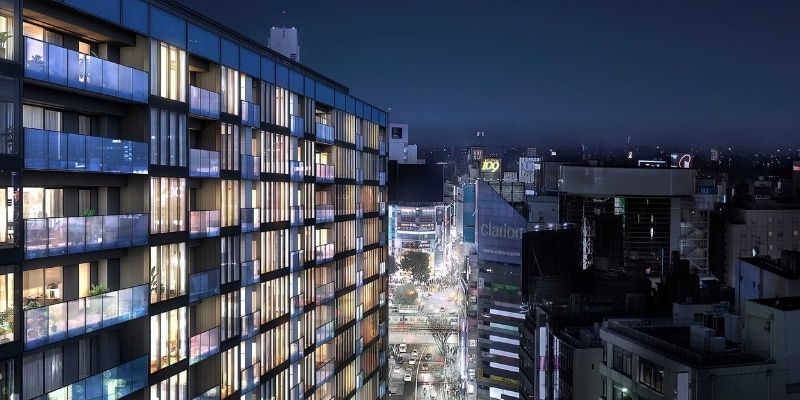

When you think of Tokyo, chances are you picture the famous Shibuya Crossing, neon lights, and an energetic crowd moving in perfect chaos. But Shibuya is more than just a photo opportunity, it’s also one of the most vibrant, convenient, and desirable places to live in Japan.
Whether you’re relocating for work, seeking your first home in Tokyo, or dreaming of a new lifestyle, this guide will help you understand what it takes to live in Shibuya, from rent prices and apartment types to how to navigate the rental process as a foreigner.
Why Live in Shibuya?
Shibuya is widely considered one of Tokyo’s most livable and well-connected districts. It strikes a rare balance, offering the dynamic energy of the city alongside practical convenience for daily life. That’s why so many residents, both locals and expats, choose to settle here.
Beyond its famous crossings and commercial buzz, Shibuya is also home to a number of quiet, residential neighborhoods that offer a more relaxed pace:
- Daikanyama – Stylish and upscale, this area is a favorite among professionals and creatives seeking a chic, urban lifestyle.
- Ebisu – With its vibrant dining scene and laid-back charm, Ebisu feels like a small city within the city.
- Yoyogi – Close to Yoyogi Park, this family-friendly area provides ample green space and a peaceful atmosphere.
- Hatagaya – Just two stops from Shinjuku, Hatagaya is a quieter, more affordable alternative with great transit access.
These areas let you enjoy all the perks of living in or near Shibuya, accessibility, culture, and amenities, without being surrounded by the non-stop buzz 24/7.
Types of Apartments in Shibuya
Depending on your income and lifestyle, you’ll find a variety of apartment options in Shibuya. Here’s a breakdown of the most common apartment types, and who they’re best suited for.
- 1R (One Room Studio): A single open space with no separate kitchen. Perfect for students or entry-level professionals earning near the basic salary in Japan.
- 1K / 1DK: Includes a small kitchen or dining area. Popular among singles with average salaries.
- 1LDK / 2LDK: Separate living, dining, and kitchen areas. These are ideal for couples or remote workers needing more space.
- 3LDK and above: Spacious and family-friendly. A good choice for those with higher income or considering buying a condo in Tokyo.
As a rule of thumb, the more rooms you want, the higher your monthly rent—and the further you may need to live from central stations.
Shibuya Rent Prices: How Much Should You Expect to Pay?
Living in Shibuya comes with a price tag, but it’s a trade-off for location, lifestyle, and accessibility. Rental costs vary by apartment size and proximity to stations, but here’s a general guide:
| Apartment Type | Monthly Rent (Average) |
| 1R / 1K | ¥110,000–¥160,000 |
| 1LDK | ¥180,000–¥250,000 |
| 2LDK | ¥250,000–¥400,000 |
| 3LDK | ¥400,000–¥700,000+ |
With the average salary in Tokyo reaching about ¥5.4 million/year in 2025 (around ¥450,000/month), many residents can afford a 1K or compact 1LDK apartment. Those with dual incomes or above-average earnings can explore larger spaces or even look into buying apartments in Tokyo.
What You Get for the Rent: More Than Just Space
Tokyo apartments are designed to make the most of limited space, especially in busy districts like Shibuya. So what can you expect when paying rent here?
Even in smaller units, functionality and comfort are key. Most apartments come equipped with everyday essentials like air conditioning, a compact kitchen with a gas stove, and a unit-style bathroom. In terms of security, it’s common to find auto-lock entry systems and intercoms for added peace of mind. Some buildings may even include shared amenities such as laundry rooms or basic Wi-Fi.
In more premium residences, you’ll find extras like delivery lockers, rooftop lounges, fitness centers, and even concierge services. Pet-friendly apartments are also available, although they often come at a higher cost. Thoughtful layouts ensure that every square meter is used efficiently, perfect for those seeking convenience without sacrificing comfort in one of Tokyo’s most vibrant neighborhoods.

Smart, secure, compact living in Shibuya
How to Find a Great Apartment in Shibuya
Searching for a home in Tokyo, especially Shibuya, can be overwhelming, but it’s easier when you follow a structured approach. Start your apartment search with these steps:
- Know Your Budget: Experts recommend spending no more than 30–35% of your monthly income on rent. If you’re earning the average wage in Japan, around ¥4.7 – ¥5.5 million/year, you’re looking at a monthly housing budget of about ¥130,000–¥160,000.
- Choose a Real Estate Platform: Trusted websites that support English and cater to foreigners include Arealty Japan
- Work With a Real Estate Agent: Many agencies have bilingual staff who specialize in helping foreigners navigate rental contracts and application procedures.
- Schedule Viewings: If you’re outside Japan, opt for virtual tours. Agents in Tokyo are increasingly flexible with online options.
Renting as a Foreigner in Japan: What to Know
While Japan is known for its meticulous rental process, navigating it as a foreigner is completely doable with the right preparation. Understanding the key requirements and expected costs will make your apartment search smoother and more successful.
Documents Needed to Apply
When applying for a rental, landlords and agencies typically request the following:
- Passport and foreign resident ID
- Valid visa that matches your reason for staying
- Proof of employment or income, such as payslips, a tax return, or an employment contract
- Emergency contact, ideally someone living in Japan
Having these documents ready in advance will speed up the application process, especially in competitive areas like Tokyo.
Initial Move-in Costs:
Renting a home in Japan often comes with significant move-in fees. It’s common to pay the equivalent of four to six months’ rent before you even move in. Typical costs include:
- Security deposit (Shikikin): Usually 1–2 months’ rent, refundable after move-out depending on cleaning and repairs
- Key money (Reikin): A traditional, non-refundable payment to the landlord, often equal to 1–2 months’ rent
- Real estate agency fee: Generally one month’s rent
- First month’s rent: Paid at contract signing
If you don’t have a guarantor, you’ll likely need to use a guarantor company, which charges a one-time fee (about 50% of rent). This is common and accepted by most landlords.
Is the Average Income in Japan Enough for Shibuya?
As of 2025, the average wage in Japan is approximately ¥4.8 million per year, while in Tokyo, salaries tend to be higher, typically ranging from ¥5.4 to ¥6 million annually. This wage gap makes living in central areas like Shibuya more realistic for many professionals. But how far your income can stretch depends on your budget and lifestyle goals.
Here’s a breakdown of what type of apartment you could realistically afford based on your yearly income:
- Below ¥4 million/year: You’ll likely need to consider a compact 1R (one-room) unit or a shared apartment in more affordable neighborhoods such as Hatagaya or even further from the city center.
¥4M–¥5.5M/year: A modest 1K or a small 1LDK may be within reach, potentially in areas closer to Shibuya Station with good train access. - ¥6 million and above: With a higher salary, you can afford a more spacious 1LDK or even a 2LDK apartment in prime locations. Many expats at this level also explore buying a condo in Tokyo.
- ¥8 million+: This income bracket opens the door to purchasing a flat in Tokyo, including newly built condominiums or stylish low-rise townhouses in upscale areas.
Knowing your basic salary in Japan and comparing it with the average household income or using an online rent calculator can help you determine what’s realistically within your reach. In a high-demand market like Tokyo, understanding how your earnings align with rental costs is essential for making smart housing decisions.
Buying an Apartment in Tokyo: Is Shibuya a Good Choice?
If you’re planning to stay in Japan long-term or explore real estate investment opportunities, buying an apartment in Tokyo, particularly in Shibuya, could be a smart move. Known for its unbeatable location, strong rental demand, and urban lifestyle appeal, Shibuya properties consistently hold their value and offer excellent long-term returns.
The average cost of an apartment in Shibuya typically ranges from ¥60 to ¥150 million, depending on factors such as size, building age, and distance to nearby train stations. For foreigners with residency status and a stable income, securing a mortgage from a Japanese bank is possible, with several institutions offering support in English.
Popular neighborhoods for buyers include Ebisu, Daikanyama, and Yoyogi, all of which combine livability with excellent connectivity. For those seeking more affordable yet convenient options, Hatagaya is gaining attention as a rising residential hub.
To navigate Japan’s property market smoothly, agencies like Arealty.jp provide bilingual assistance throughout the process, from handling paperwork and taxes to helping you choose the right community that suits your lifestyle.

Buy apartment in Shibuya Tokyo smart
Conclusion
Living in Shibuya puts you at the heart of everything Tokyo has to offer, fast commutes, world-class shopping, delicious food, and a community full of energy. It may come at a higher cost, but with the right salary and smart planning, it’s absolutely doable.
Even if you’re earning the median salary in Japan, you can still enjoy Shibuya life, perhaps in a smaller unit or by choosing more affordable pockets like Hatagaya. And if you’re looking long-term, buying a condo in Tokyo can be both a lifestyle and financial win.
Whether you’re a student, a working professional, or a family relocating to Japan, Shibuya has a place for you.



Leave a Reply