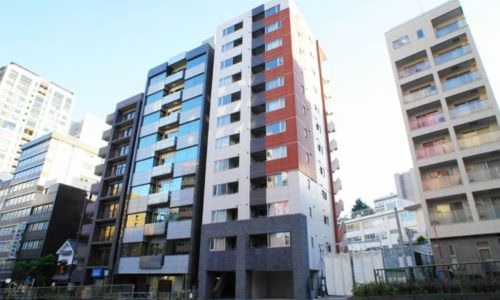

Renting an apartment in Tokyo has become an increasingly popular choice not only for locals but also for expatriates, remote workers, and students. With Tokyo being one of the most advanced and livable cities in Asia, it’s no surprise the housing market here is both dynamic and highly competitive.
Whether you’re looking for apartments in Tokyo for rent, curious about buying an apartment in Tokyo, or want to understand how much you can afford based on the average income in Tokyo Japan, this guide covers everything you need.
Why Living in a Tokyo Rental Makes Sense
Tokyo is renowned for its exceptional public transportation network, diverse living environments across various districts, and consistently high standards of cleanliness and safety. These qualities contribute to the city’s appeal for both locals and newcomers seeking a convenient urban lifestyle.
For many young professionals and international residents, renting remains the preferred option. The cost of purchasing property in central Tokyo can be prohibitive, so leasing offers a far more accessible alternative, especially for those planning short- to medium-term stays.
Additionally, Tokyo’s dynamic job market often requires individuals to commute across multiple wards, making flexible living arrangements more practical. Standardized lease agreements, which are widely accepted even by foreigners, further simplify the rental process.
If you’re exploring how to rent an apartment in Tokyo, the good news is that the steps involved, though influenced by some distinct cultural practices, are generally straightforward when handled through reputable agencies or with proper local support. With the right preparation, finding a place to live in Tokyo can be efficient, even if it’s your first time navigating the Japanese housing system.

Renting made easy in Tokyo
Types of Apartments in Tokyo
Apartments in Tokyo come in a variety of sizes and floor plans, tailored to accommodate different living needs and lifestyles. These residential units are typically categorized using a coding system that reflects the number and type of rooms.
- 1R / 1K: Compact units consisting of a single room (1R) or a room with a separate kitchen (1K). These are best suited for individuals living alone, such as students or working professionals.
- 1LDK / 2LDK: These units include a living room, dining area, kitchen, and one or two separate bedrooms. They are well-suited for couples or small households seeking both comfort and functionality.
- 3LDK and above: Larger apartments designed for families, offering more space and multiple bedrooms, often including balconies or additional storage areas.
When choosing a rental, you also have several furnishing and contract options:
- Furnished units: These come equipped with basic appliances and furniture, making them ideal for expatriates or short-term tenants who prefer to move in without purchasing household items.
- Unfurnished units: Typically offered at a lower monthly rate, these are more appropriate for long-term residents who wish to customize their living space.
- Monthly rental apartments: These provide short-term flexibility with utilities and furniture included in the rent. While more expensive on a per-month basis, they eliminate the need for a long-term lease and are often favored by business travelers or transitional residents.
This wide range of apartment types allows renters in Tokyo to find accommodations that align with their lifestyle, budget, and duration of stay.
Most Popular Districts to Rent Apartments in Tokyo
Tokyo is divided into 23 special wards, each with its own unique character, lifestyle, and appeal. These districts cater to a wide range of preferences, whether you’re seeking vibrant city life or a quieter, more residential setting.
- Shibuya and Shinjuku are known for their high energy, bustling commercial zones, and vibrant nightlife. These central areas attract young adults, creatives, and professionals who thrive in fast-paced environments with easy access to train lines, entertainment, and dining.
- Minato and Roppongi are home to many foreign embassies, international firms, and luxury high-rises. These neighborhoods are favored by expats, business executives, and diplomats due to their global atmosphere and proximity to Tokyo’s business hubs.
- Setagaya and Meguro offer a more relaxed pace of life. Known for their leafy streets, excellent schools, and community-friendly facilities, they are ideal for families and long-term residents seeking tranquility without sacrificing convenience.
- Adachi, Itabashi, and Nerima are located farther from the central core but offer significantly lower rental costs. These suburban districts are popular among the Japanese middle class and budget-conscious renters who value space and affordability over proximity to downtown Tokyo.
For those earning the average salary in Tokyo or aligning with the income range of the Japanese middle class, exploring neighborhoods beyond the city center often yields more spacious housing and a higher quality of life at a reasonable cost.
Tokyo Income Guide: What’s the Average Salary?
Before deciding how much to spend on rent, it’s essential to have a clear picture of local income benchmarks. As of 2025, the average income in Tokyo, Japan ranges between ¥4.5 million and ¥5.2 million per year (approximately $30,000–36,000 USD), reflecting the city’s higher cost of living compared to national averages.
Nationwide, the Japan average income sits at around ¥4.3 million annually, while the median income in Japan is slightly lower, at about ¥4.2 million. Meanwhile, the average household income in Japan is estimated between ¥5.5 and ¥6 million, depending on family structure and region.
The average middle class income in Japan generally falls between ¥3.5 million and ¥7 million, varying by household size and location. These figures are particularly useful for those planning to rent or purchase a home, as they provide a realistic frame of reference.
A common guideline used in the Japanese housing market is to keep rent within 30% of your monthly income. Following this rule helps ensure long-term financial stability and makes it easier to balance housing with daily living expenses.

Average income in Tokyo 2025
Rental Prices by Area and Apartment Type
In Tokyo, monthly rent depends largely on location and layout. Central districts like Shibuya and Minato tend to be more expensive due to proximity to business hubs and lifestyle amenities, while suburban Tokyo areas such as Adachi or Itabashi offer more affordable options for larger spaces.
Apartment Type | Central Tokyo (e.g., Shibuya, Minato) | Suburban Tokyo (e.g., Adachi, Itabashi) |
Studio / 1R | ¥80,000 – ¥140,000 | ¥50,000 – ¥85,000 |
1LDK (1-bedroom) | ¥120,000 – ¥220,000 | ¥90,000 – ¥150,000 |
2LDK / 3LDK | ¥180,000 – ¥350,000+ | ¥130,000 – ¥250,000 |
What Additional Costs Should You Expect?
Renting an apartment in Tokyo involves more than just paying the monthly rent. Tenants should be prepared for several initial fees that can significantly increase upfront costs:
- Security deposit: Typically equivalent to one or two months’ rent, this amount is held as a safeguard against damage and is usually refunded when the lease ends, provided the property is left in good condition.
- Key money: A unique aspect of Japanese rentals, this is a one-time, non-refundable payment made to the landlord as a gesture of appreciation. This fee is generally set at the value of one month’s payment.
- Agent commission: Most real estate agencies charge a fee for their services, which is commonly set at one full month of rent.
- Building maintenance fees: In apartment complexes (especially manshon or condominium-style units), tenants are responsible for shared upkeep costs, usually ranging between ¥5,000 and ¥15,000 monthly.
Altogether, these preliminary charges can amount to three to five months’ worth of rent before you even move in. Planning for these expenses in advance is essential to avoid financial strain during the relocation process.
How to Rent an Apartment in Tokyo (Especially as a Foreigner)
While the rental process in Tokyo is generally efficient, there are a few unique steps that foreigners should be aware of. Good preparation and dependable help can greatly influence the results.
The first step is to prepare your essential documents. Most landlords will ask for your residence card, passport, and proof of income, such as recent pay slips or a contract from your employer.
In most cases, you’ll also need a guarantor, someone who takes financial responsibility if you fail to pay rent. If you don’t have someone in Japan who can fill this role, many real estate agents will help you apply through a guarantor company, which is commonly accepted.
To simplify the process, it’s best to work with English-speaking agencies or browse listings on platforms like GaijinPot or RealEstate Japan. Services like Arealty also offer personalized support tailored for international clients.
Leases typically run for two years, with a renewal fee equivalent to one month’s rent. Be sure to review all contract terms carefully, especially clauses on moving out, deposit return, and early termination.
Although some landlords were historically reluctant to rent to foreigners, the market has become far more inclusive in recent years. With rising numbers of remote workers and members of the foreign middle class settling in Tokyo, many agencies now specialize in serving international renters and understand their unique needs.

Tokyo rental process for foreigners
Buying vs. Renting – What If You Want to Purchase?
For those planning to settle in Japan long-term, it’s common to weigh the difference between renting and buying. While apartments in Tokyo for rent offer flexibility and lower initial costs, some individuals are turning their attention to long-term ownership. In fact, search terms like apartment for sale in Tokyo and apartments in Tokyo for sale are rising in popularity, reflecting growing foreign interest in Tokyo’s reliable real estate market.
Owning a property comes with clear advantages: it can serve as a stable investment, offers the freedom to renovate or personalize your space, and eliminates the need for monthly rent. However, purchasing a home in Tokyo, especially in central areas, requires significant financial commitment. A typical 2LDK unit in the city center averages between ¥40 and ¥60 million. Buyers also need to account for property taxes, maintenance fees, and the often complicated loan application process for foreigners.
Renting remains the more practical choice for many, particularly those on short-term contracts, uncertain timelines, or limited budgets. Still, for those with stable income and long-term plans in Japan, buying a home may be a valuable step toward building equity and establishing roots in one of the world’s most livable cities.
Conclusion
Tokyo is a vibrant, modern city with excellent infrastructure, diverse housing, and strong job prospects. Whether you’re a student, expat, or part of the Japanese middle class, there are apartments to suit every lifestyle and budget.
To get started smoothly, it’s important to understand the Japan median salary, explore your rental options, and pick the right neighborhood. For reliable support, Arealty offers bilingual real estate services to help you find the ideal place in Tokyo.



Leave a Reply