
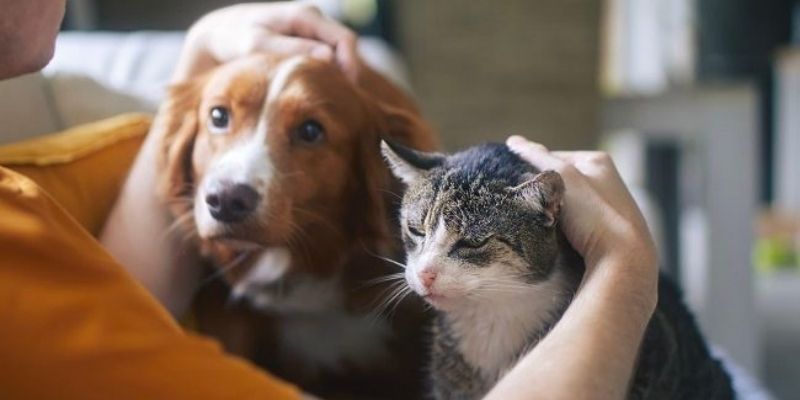

Cats play an important role in Japanese culture, from the famous Maneki Neko to the booming popularity of cat cafés in Tokyo. However, keeping a cat in the city isn’t always easy. It’s often affected by rental policies, housing types, and income levels in Japan. This article takes a closer look at how cats fit into daily life, especially in Tokyo, and what it means for those navigating apartment availability, middle-class living, and pet-friendly homes.
Why Cats Hold a Special Place in Japanese Heritage
Cats have been part of Japanese life for centuries. These animals represent blessings, financial luck, and a shield against negative forces. The Maneki Neko, a familiar figurine often placed at shop entrances, is believed to attract good fortune and customers. These charming creatures appear throughout Japanese folklore, classic stories, and contemporary media, with beloved characters like Doraemon and the Catbus from Studio Ghibli’s My Neighbor Totoro inspiring fans of all ages.
Their presence goes beyond entertainment, for many households, felines reflect a lifestyle rooted in independence, quiet presence, and emotional comfort. These qualities strongly resonate with Japan’s cultural values and are especially appealing in densely populated areas.
As more residents seek balance and relaxation at home, it’s no surprise that cats have become favorite companions among the rising Japanese middle class. This strong emotional connection continues to influence both lifestyle choices and the pet-friendly housing market in urban Japan.

Feline Charm in Japanese Culture
Cat Islands and Cat Cafés: Icons of Japan’s Cat Fascination
Japanese Cat Islands: Home to More Cats Than People
Japan is famous for its unique “cat islands,” where felines comfortably coexist with locals and nature. Two of the best-known are Tashirojima and Aoshima, tranquil destinations where cats freely roam streets, harbors, and homes without restriction. These peaceful spots have become a magnet for travelers and animal lovers alike, offering a rare chance to see a community where people and pets live side by side.
Both islands symbolize harmony between humans and animals, a reflection of Japan’s deep respect for nature. With their relaxing atmosphere, quiet fishing villages, and abundant feline residents, Tashirojima and Aoshima have earned their place as iconic pet-friendly getaways. Tourists seeking a slower pace and a warm welcome from curious whiskered locals often find these places unforgettable.

Peaceful Islands of Japanese Cats
Cat Cafés in Tokyo: A Modern Urban Escape
Tokyo was one of the first cities to popularize the concept of cat cafés, where patrons can relax and spend time with friendly cats. These cafés are particularly popular in high-density areas like Shibuya, Ikebukuro, and Harajuku, where most apartments prohibit pet ownership.
Cat cafés provide a peaceful refuge for urban professionals who work long hours and live in small spaces. In suburban Tokyo, where space is more generous, cat cafés often serve as both a hangout and adoption center. These spaces reflect the intersection of urban convenience and emotional well-being, a concern increasingly relevant to Japan’s middle-income households.

Cafés for Cats and Connection
Living With Cats in Tokyo: Legal, Financial, and Housing Realities
Can You Rent an Apartment With a Cat in Tokyo?
Not every rental property in Tokyo allows pets. In fact, many standard leases explicitly forbid cats and dogs. If you’re planning on renting an apartment in Tokyo and you have a cat, you’ll need to look for listings marked as pet-friendly or “ペット可 (petto-ka)” in Japanese.
Apartments that allow cats usually require:
- A higher security deposit (up to 2–3 months’ rent)
- Pet-specific cleaning or maintenance fees
- Tenant insurance including pet coverage
Rent for pet-friendly apartments in Tokyo is also typically higher. This means your ability to live with a cat in a rental is strongly linked to your income level. With the average income in Tokyo, Japan, being higher than the national average, many residents in Tokyo’s outskirts or suburbs can more easily afford larger apartments that allow pets.
Buying a Pet-Friendly Apartment in Tokyo
For long-term residents, buying an apartment in Tokyo can be a more sustainable choice. Many new developments in Tokyo suburbs like Setagaya, Nerima, and Koganei offer units designed for pet owners, including features like:
- Scratch-resistant flooring
- Soundproof walls
- Outdoor terraces or pet-friendly balconies
The cost of a Tokyo apartment for sale varies significantly. While a compact 1LDK apartment in central Tokyo can cost around ¥40–70 million, suburban 2LDK or 3LDK units can range from ¥30–60 million, a more affordable option for middle-class families with pets.
Income Levels and the Costs of Cat Ownership in Japan
Taking care of a cat in Tokyo goes beyond affection, it’s also a matter of practical budgeting. Living in Japan’s bustling capital means managing daily expenses wisely, and for many individuals within the Japanese middle class, a common question arises: “Do I have the financial stability to provide for a cat’s needs?”
What seems like a low-maintenance pet actually comes with steady monthly costs, including meals, litter supplies, and vet check-ups. Meanwhile, income brackets in Japan differ widely depending on your location, profession, and education level. While Tokyo residents generally earn more than those in rural areas, they also deal with increased living expenses, especially related to renting or buying an apartment in Tokyo, which can directly impact whether pets are allowed or manageable.
That’s why it’s essential to evaluate both your earnings and the overall cost of pet care before bringing a cat home. In the following sections, we’ll outline what it takes financially to raise a cat in Tokyo and compare those figures with average and median incomes across Japan. This way, you can confidently decide if a feline companion fits into your lifestyle and long-term plans.

Cat Ownership Costs in Tokyo
How Much Does It Cost to Own a Cat in Tokyo?
Keeping a cat in Tokyo isn’t cheap. Typical recurring expenses each month are:
- Food: ¥3,000–¥6,000
- Litter: ¥1,000–¥2,000
- Annual vet visits: ¥10,000–¥30,000
- Miscellaneous (toys, grooming): ¥1,000–¥3,000
Altogether, cat owners can expect to spend ¥10,000 to ¥20,000 per month, depending on the cat’s age and health. These costs are manageable for many working professionals, especially those earning above the median salary in Tokyo.
Japan’s Income Landscape: Key Figures
To understand who can afford to live with cats in Tokyo, it’s important to look at current income trends:
| Metric | Estimate (2024–2025) |
| Average income in Japan | ¥5.2 million/year |
| Japan median income | ¥4.5–¥4.8 million/year |
| Average salary in Tokyo | ¥6.5–¥7 million/year |
| Tokyo’s mid-range residential income level | ¥6.8–¥7.2 million/year |
| Tokyo median income (2025) | ¥6.9 million/year |
These figures show that Tokyo residents generally earn more than the national average, but they also face higher living expenses. For renters or homeowners with cats, balancing housing costs with pet care is a financial decision that must be considered carefully.
The Japanese Middle Class and Their Pet-Friendly Lifestyle
The average middle-class income in Japan supports a lifestyle that increasingly includes pet ownership. Middle-class families, especially dual-income households, prioritize stability, comfort, and emotional well-being. Owning a pet fits naturally into this value system.
Moreover, Japanese real estate developers and trading houses are starting to respond to this demand by building apartments in Tokyo for sale that cater to families with pets. Key amenities include:
- Ground-floor dog washing stations
- Elevator systems with pet access
- Easy reach to outdoor spaces and walking tracks
These features are especially attractive to Japanese middle-class families moving to Tokyo suburbs, where space and affordability align with their income levels.
Stray Cats and Animal Welfare in Japan
While cats are widely cherished across Japan, the country still grapples with issues related to growing stray cat populations, particularly in aging residential districts and rural areas. To address this, both local governments and animal welfare groups support TNR (Trap-Neuter-Return) initiatives, a humane approach that helps stabilize and reduce the number of feral cats over time.
Neighborhoods such as Suginami, Tama, and Mitaka have introduced community-driven cat care programs where volunteers actively feed, provide basic shelter, and keep track of outdoor cats. In some cases, local authorities even offer financial support by covering part of the sterilization expenses, making it more feasible for residents to take part in ethical cat population management. These grassroots efforts reflect Japan’s evolving approach to animal welfare and community collaboration.

Community Action for Feral Cats
Conclusion
Japan’s relationship with cats is deeply rooted in history, yet continues to evolve with modern urban life. In Tokyo, where space is limited and housing is expensive, living with a cat is as much a financial decision as a personal one. But with rising awareness, changing property laws, and increasing housing options, more people than ever – both Japanese and foreign residents, are making room in their lives for feline companions.
If you’re considering renting or buying an apartment in Tokyo and want to live with a cat, plan ahead. Make sure your income aligns with the higher costs of pet-friendly housing, and explore the growing number of suburban options that blend affordability with lifestyle convenience.
For those navigating life in Tokyo with a cat, one thing is clear: in a city known for its complexity and density, cats still find a way to curl up in the quiet corners of Japanese homes, and hearts.



Leave a Reply