
Why Are Tokyo Apartments Perceived as Expensive?
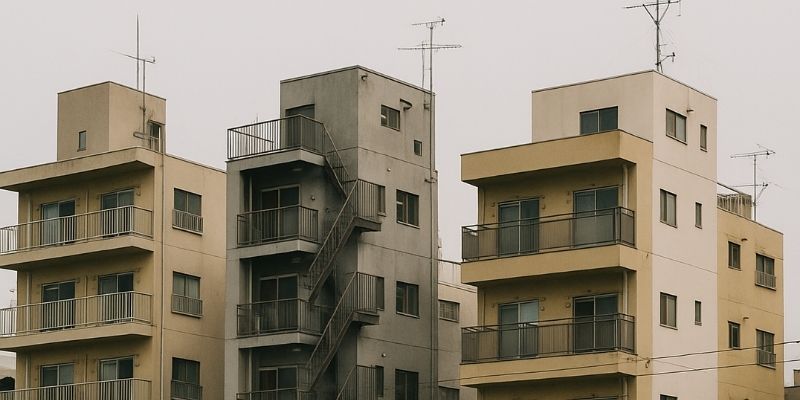
Tokyo is often labeled as one of the priciest cities in the world, especially when it comes to renting or buying a place to live. In recent years, property values have reached record highs. A newly built apartment in Greater Tokyo now averages around ¥81 million (approximately $548,000), and in premium districts like Minato or Shibuya, prices can easily surpass ¥100 million. These figures reflect not just high land costs and construction fees, but also increasing demand, driven by both Japanese residents and international buyers looking to invest in Tokyo real estate.
Still, the idea that all of Tokyo is expensive doesn’t tell the whole story. While central neighborhoods may come with hefty price tags, there are many areas across the city where housing is still within reach. Places like Adachi, Itabashi, and Katsushika offer significantly lower rental rates, with small apartments available for as little as ¥80,000 to ¥130,000 per month. These districts are popular with students, young professionals, and families seeking affordable rent without sacrificing access to public transport or daily conveniences.
What creates this gap in rental prices is the imbalance between housing supply and demand. In the downtown core, new construction is limited due to space restrictions, while the desire to live close to workplaces, train stations, and amenities continues to grow. It causes prices to rise while limiting access. In contrast, Tokyo’s suburban wards have more inventory, quieter streets, and an expanding train network that makes commuting into the city center quick and convenient.
In reality, Tokyo offers a wide range of housing options for every budget. It all comes down to looking in the right spots. By exploring lesser-known neighborhoods and being flexible with location, you can find comfortable and affordable apartments, even in Japan’s busy capital.

Affordable Rentals Exist Beyond the Center
What Counts as a “Cheap” Apartment in Tokyo?
A “cheap” apartment in Tokyo usually has four main traits:
- Small size: Studio or 1K units under 30 m², enough for solo living.
- Older buildings: Built before 2000, more affordable than new high-rises.
- Location: 10–20 minutes from a station or in outer wards like Adachi or Edogawa.
- Low upfront fees: No key money, low deposit, move-in costs can be just 1–2 months’ rent.
These apartments are ideal for students, part-timers, or anyone earning a normal salary in Japan. They may not be fancy, but they’re clean, well-located, and save you money.
Looking to rent an apartment in Tokyo without breaking the bank? This is the starting point.
Is Renting an Apartment in Tokyo Really That Expensive?
Tokyo is known as one of the most expensive cities in the world, but is that always true when it comes to rent? Not exactly.
It’s true that in central areas like Shibuya or Minato, apartment prices are high. A 1-bedroom apartment in these districts can cost over ¥130,000 per month. However, if you move just a bit further out to places like Adachi, Itabashi, or Katsushika, you can rent a small apartment for as low as ¥60,000–90,000 per month.
That’s great news, especially if you’re earning an average income.
A Breakdown of Income in Japan by Job and Region
Let’s look at salary first. In 2025:
- Most people in Japan earn between ¥4.6 and ¥5 million annually.
- That’s about ¥380,000 – 420,000 per month
- The median salary in Japan is about ¥300,000 per month
- The minimum salary in Tokyo is roughly ¥180,000 per month, based on the hourly rate
If you’re working full-time or doing part-time jobs, your income likely falls somewhere in this range. That means many Tokyo apartments, especially in outer areas, are still affordable, even for students or first-time workers.
What’s Within Your Budget for Housing?
- If you earn a normal salary in Japan, around ¥300,000/month, spending ¥70,000 – 120,000 on rent is realistic.
- Many students and foreigners rent studios (1R or 1K apartments) in Japanese suburbs.
- Couples or small families with a middle class income in Japan (¥5 – 7 million/year) can rent 2LDK–3DK units for ¥130,000–200,000/month in good areas.
- Those earning a good salary in Japan may even afford to rent in central Tokyo comfortably.
What Features Make a Rental Easy on Your Wallet?
If you’re planning to rent an apartment in Tokyo and want to stick to a reasonable budget, there are a few smart ways to spot cost-saving options.
Affordable apartments in Tokyo often come in smaller sizes, usually less than 30 square meters. These compact spaces are ideal for individuals, students, or anyone trying to live within the average monthly salary in Japan. They typically feature essential amenities like a small kitchen, bathroom, and sleeping area, making them practical despite limited space.
Another key factor is the age of the property. Apartments built before the 2000s are usually more wallet-friendly than newly developed complexes. While they may not offer luxury perks like gyms or lounges, they often provide excellent value in safe, residential neighborhoods.
The area or neighborhood is also a major factor. Places a bit farther from central Tokyo, especially areas that require a short walk (10–20 minutes) to reach the nearest train station, tend to offer lower monthly rents. These areas are great choices for those living on a normal salary in Japan or even the minimum wage in Tokyo.
Finally, don’t overlook upfront fees. Many budget-friendly rentals reduce or eliminate typical costs like key money, large deposits, and agency charges. This means you might only need to pay one or two months’ worth of rent to move in, rather than the usual four to six months. This is a huge benefit for foreigners, first-time renters, or anyone trying to stretch their income in Japan.
So whether you’re earning a middle-class income in Japan or just getting started with a new job, there are always ways to find a home in Tokyo that fits your budget, without sacrificing safety or convenience.

Tokyo Apartments on a Budget
Top Budget-Friendly Neighborhoods in Tokyo
Finding a place to live in Tokyo doesn’t have to drain your savings. With the right location, you can enjoy both convenience and lower rent, perfect for students, young professionals, or anyone earning an average salary in Japan. Here are some of the most budget-conscious areas to consider when renting an apartment in Tokyo.
- Adachi Ward: A favorite among students and part-time workers, Adachi is known for its low-cost housing and easy train access. Many neighborhoods here offer cozy studio apartments for less than ¥65,000 per month. Despite its affordability, the area provides quick connections to central Tokyo via the Chiyoda Line, making it a practical choice for daily commuters.
- Itabashi Ward: If you’re searching for a peaceful, family-friendly environment without the high prices, Itabashi is worth a look. Located in northern Tokyo, this area is ideal for couples or small families living on a moderate monthly salary in Japan. You’ll find a mix of quiet streets, parks, and reliable transport links to key business districts.
- Katsushika & Edogawa: These eastern wards carry a more traditional Tokyo charm. Katsushika features older, low-rise buildings with cheaper rental rates, perfect for those looking for value over modern amenities. Edogawa, on the other hand, is popular with families due to its spacious parks and laid-back atmosphere. Both offer great housing options for people earning a middle-class income in Japan.
- Tama Region: Located on the outskirts of Tokyo, the Tama area is ideal for renters who want more space without spending a fortune. With a good selection of 1K and 2LDK apartments, this suburban zone appeals to those who are okay with longer commutes. The region is well-served by several train lines and offers excellent value for individuals earning a median salary in Japan or even those on a tight budget.
How to Search for Cheap Apartments in Tokyo
Hoping to score an affordable flat in Tokyo? Start by checking trusted rental websites like Suumo, Homes, and Chintai. If you’re a foreigner, platforms such as GaijinPot Housing, Living Japan, or e-heya.net offer English support and helpful filters like “no guarantor” or “no key money.”
Use search filters wisely. Focus on small units (20–30m²), properties within 10–20 minutes of a train station, and listings that avoid large upfront fees like key money or high deposits. These are ideal for those earning the average salary in Japan or anyone on a tight monthly budget.
Visiting local real estate offices (fudōsan) in person can also uncover exclusive deals not listed online. They may even lower fees if you show serious interest.
If you’re not fluent in Japanese, it’s best to work with bilingual real estate agents. Agencies like An Lac, and At Heart provide full English service and can walk you through contracts, utilities, and move-in steps.
Always compare multiple listings, ask questions, and negotiate where possible. With the right approach, you can find a Tokyo apartment that matches your income and lifestyle in Japan without overspending.

Tokyo Housing Tips for Foreigners
Tips for Renting a Cheap Apartment in Tokyo
Living in Tokyo doesn’t have to break the bank, yes, affordable rentals do exist. With the right approach and a few insider tips, you can find an apartment that fits your budget without sacrificing comfort. Whether you’re a student, a professional, or just arriving in Japan, here are four smart ways to cut down your housing costs in Tokyo.
- Look for Older Properties (築古): Apartments built before 2000 are usually much more budget-friendly than newly developed buildings. While they may lack modern finishes, these units are often clean, well-maintained, and offer great value for cost-conscious renters.
- Skip Key Money and Agent Fees: Avoid places that charge key money (reikin) or high brokerage fees. Choosing listings with zero or reduced upfront costs can help you save a substantial amount when moving in, sometimes trimming your initial payment from several months’ rent to just one or two.
- Move During Off-Peak Seasons: Rental demand drops during certain periods like April to June, July to August, and November to December. During these times, landlords are more likely to offer incentives like discounted rent or waived deposits.
- Explore Sharehouses and Guesthouses: Shared housing options are ideal for those looking to minimize living expenses. These setups typically offer flexible contracts, lower monthly rent, and include essentials like utilities and internet, perfect for newcomers adjusting to life in Japan.
Important Rules and Costs to Keep in Mind
Living in Tokyo can be expensive, but renting an affordable apartment is entirely achievable, especially if you’re earning the average salary in Japan or starting out on a tighter budget. The key lies in understanding the full rental process, avoiding surprise costs, and knowing what to expect before signing a lease. Here’s a simplified breakdown to help you rent smart and save money.
Breakdown of Initial Rental Costs in Tokyo
If you’re wondering how to rent an apartment in Tokyo, remember that the upfront cost often adds up to more than just the first month’s rent. Here’s what to anticipate:
- Security deposit (shikikin) – Usually equivalent to 1–2 months of rent, refundable if no damage.
- Key money (reikin) – A non-refundable payment made to the landlord as a “thank you.”
- Real estate agency fee – Generally one month’s rent, plus tax.
- Guarantor company fee – If you lack a personal guarantor, you’ll likely pay 50% to 120% of monthly rent.
- Fire and property insurance – Typically around ¥20,000 for a two-year policy.
- Additional fees – Includes cleaning, key exchange, and maintenance (¥10,000–¥30,000).
Filter listings by “no key money” or “zero agency fee” to reduce your move-in cost by 2–3 months’ worth of rent.
Guarantor Rules in Japan, and Your Options
Many landlords in Japan require a guarantor to co-sign your lease, ensuring rent will be paid even if you default. If you’re new to the country and don’t have one, no worries, you can use a guarantor company (保証会社) instead.
These services are widely accepted but will charge a one-time fee, often half to a full month’s rent. If you’re employed full-time or a student, ask if your company or school offers a guarantor service, it’s a hidden benefit many overlook.
For those earning the monthly salary in Japan or a middle-class income, using a guarantor company is often the easiest route.
Ongoing Monthly Charges You Should Know
Beyond the rent itself, you’ll need to budget for other regular expenses:
- Utilities (electric, gas, water): ¥10,000–¥20,000 per month, depending on lifestyle and usage.
- Internet & building maintenance: Sometimes included, but often charged separately.
- Contract renewal fees: Typically equal to 1 month’s rent every 2 years.
- Miscellaneous costs: Admin, pest control, or shared space cleaning may be added.
Understanding the average cost of living in Japan helps you plan better, especially if you’re living off a median salary in Japan or just starting with a part-time income.
Conclusion
Tokyo can be pricey, but smart planning makes budget living possible. By learning how rental costs work, avoiding hidden fees, and choosing the right timing, you’ll stretch your budget without sacrificing comfort.
Whether you earn the average salary in Japan or are just starting out, knowing how to rent an apartment in Tokyo the smart way helps you save money and avoid stress. Use the right tools, stay flexible, and explore all housing options to find the best deal for your needs.



Leave a Reply