
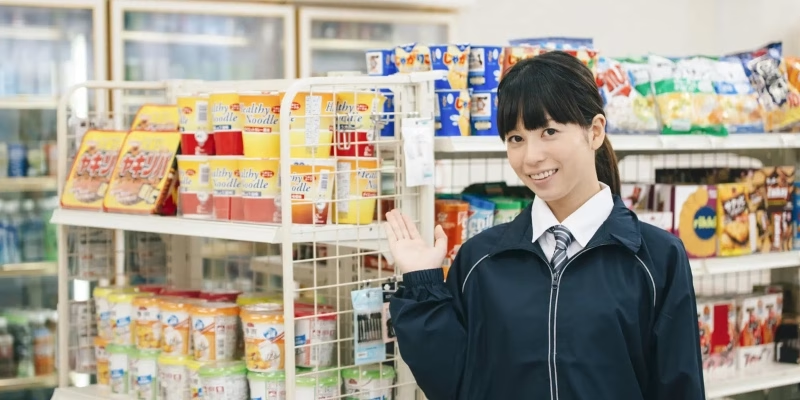

Convenience stores in Japan are more than quick stops for snacks – they are the heartbeat of everyday urban life. Open around the clock and found on nearly every street corner, these “konbini” reflect Japan’s culture of precision, hospitality, and efficiency. Whether you’re a visitor or a long-term resident, learning how these stores shape daily routines offers valuable insight into what makes living in Japan so seamless and convenient.
How Convenience Stores Influence Daily Life in Japan
In Japan, convenience stores are far more than places to buy snacks or drinks. They are compact lifestyle hubs that combine efficiency, service quality, and accessibility. There are over 55,000 convenience stores nationwide, found on nearly every street corner in cities like Tokyo, Osaka, and Kyoto.
These stores are open 24 hours a day and stocked with everything from freshly prepared meals to stationery, hygiene products, and delivery services. Whether you live in a shared house Tokyo or a cheap apartment Tokyo, a nearby konbini ensures that daily necessities are always within reach.
Moreover, the concept of convenience in Japan reflects deep cultural values, punctuality, order, and care for detail. This is why convenience stores maintain high cleanliness standards and consistently excellent customer service.
Everyday Essentials Available at Konbini
Before listing what makes Japanese convenience stores special, it helps to understand how they seamlessly integrate into residents’ lives.
Most people in Tokyo rely on their local konbini for:
- Quick, affordable meals: Onigiri (rice balls), bentō boxes, sandwiches, and fresh salads are delivered multiple times a day. These options are especially popular among students or tenants in apartments in Tokyo to rent who prefer low-cost, balanced meals.
- Hot and cold beverages: Most chains have freshly brewed coffee and tea, plus an impressive range of drinks from Japanese brands.
Household goods: From detergent to light bulbs, most small items are available without needing to visit a supermarket. - Payment services: Utility bills, online shopping payments, and even taxes can be settled at konbini counters.
- ATM and ticketing services: Foreign cards often work at ATMs, and customers can purchase tickets for concerts, transport, or theme parks.
For people renting apartments for rent in Shinjuku Tokyo, these services make urban living both practical and efficient.

Why Foreign Residents Value Konbini
Foreign residents often describe Japanese convenience stores as “lifesavers.” The availability of English instructions on some machines, friendly staff, and simple payment methods make life in Japan less intimidating.
Many people renting foreigner friendly apartments Tokyo quickly discover that their local konbini is not just a store but a support system. Need to pay your rent, print documents, or grab a late-night meal? The konbini provides all of that in one stop.
Additionally, for those new to Japan, convenience stores become an easy introduction to Japanese food culture. Seasonal snacks, limited-edition desserts, and regional specialties are rotated throughout the year, allowing you to explore Japan’s culinary diversity without spending much.
Leading Convenience Store Brands Across Japan
Before choosing a neighborhood or apartment for rent in Tokyo Japan, it helps to know which convenience store chains are nearby. Each has unique features that appeal to different lifestyles.
7-Eleven Japan
7-Eleven is Japan’s largest and most trusted convenience store chain, with more than 21,000 locations nationwide. Known for reliability and cleanliness, it is a favorite among both locals and foreigners.
Key features include:
- Fresh Food Quality: 7-Eleven’s ready meals are prepared daily and considered the highest quality among all chains. Their rice bowls, curries, and sandwiches often taste similar to restaurant dishes.
- Seven Café: Their in-store coffee brand is inexpensive yet high-quality, brewed from freshly ground beans.
- Financial and Delivery Services: 7-Bank ATMs allow withdrawals using many international cards. Customers can also send parcels through Yamato Transport or Japan Post.
- Product Innovation: Seasonal menus and exclusive collaborations keep regular customers engaged.
For tenants living in Japan Tokyo apartment rent areas like Shibuya or Shinagawa, a 7-Eleven nearby guarantees reliable daily meals and essential services at any hour.

FamilyMart
FamilyMart, easily recognized by its green and blue logo, has approximately 16,000 stores across Japan. It is particularly popular among young professionals and students living in shared house Tokyo settings.
Highlights include:
- Signature Item – Famichiki: This hot, crispy fried chicken has become an icon of Japanese convenience store culture.
- Technology Integration: Many branches feature self-checkout counters, digital coupons, and contactless payments.
- Wide Product Selection: From healthy salads to desserts and imported snacks, FamilyMart caters to diverse tastes.
- Community Engagement: The company often collaborates with local artists and small businesses, selling regional or limited-edition goods.
Its approachable image and product range make it ideal for foreigners adjusting to daily life while renting apartments for rent in Tokyo Japan.

Lawson
Lawson is Japan’s third major convenience store chain, known for its stylish, slightly premium image. With over 14,000 locations, it balances practicality with quality.
Main features include:
- Natural Lawson: A sub-brand focusing on healthy and organic food options, targeting customers who value nutrition and sustainability.
- Lawson Station: Offers essential goods, fresh meals, and ATMs.
- Collaborations: Lawson frequently partners with Japanese confectionery brands to release special desserts.
- Eco-friendly Efforts: The company has been a leader in reducing plastic use and supporting recycling initiatives.
If you are renting a foreigner friendly apartment Tokyo near a Lawson, you can expect slightly healthier meal options and an eco-conscious shopping experience.

Mini Stop
Mini Stop, operated by AEON Group, combines the convenience of a store with the comfort of a small café. Though smaller in number (about 1,900 stores nationwide), it has loyal fans.
Its unique traits include:
- In-Store Seating: Most Mini Stop locations provide eat-in spaces, making it a favorite stop for workers and travelers.
- Soft Serve Ice Cream: Famous for high-quality seasonal soft cream, such as mango, chocolate, and matcha flavors.
- AEON Integration: Customers can use AEON loyalty cards and earn points through their purchases.
For those living in cheap apartment Tokyo areas or suburban neighborhoods, Mini Stop offers a relaxed and friendly environment for a quick break.

Daily Yamazaki
Daily Yamazaki is a smaller but traditional convenience store chain operated by Yamazaki Baking Co. Its stores focus on fresh bakery products and warm hospitality.
Key aspects include:
- Freshly Baked Bread: Unlike other konbini chains, Daily Yamazaki bakes bread and pastries on-site every morning.
- Homemade-Style Meals: Offers handmade bentō and sandwiches that appeal to those who prefer a home-cooked taste.
- Neighborhood Presence: Often found near schools, residential areas, and train stations rather than busy city centers.
This chain is particularly loved by locals who value familiarity and personal service ideal for residents in quieter districts or family-oriented apartments in Tokyo to rent.

How Konbini Shape Housing and Lifestyle Choices
When searching for an apartment for rent in Tokyo, many residents check the distance to the nearest convenience store. Living close to a 7-Eleven, FamilyMart, or Lawson adds comfort and practicality to daily routines.
For real estate companies like Arealty, proximity to a konbini is often listed as a selling feature. Foreign tenants especially appreciate knowing that food, banking, and daily essentials are available within minutes.
Cultural Etiquette When Using Convenience Stores
For those new to Japan, understanding local manners at convenience stores is important.
- Please refrain from opening items before purchase.
- Avoid eating inside unless seating is provided.
- Dispose of trash correctly. Most stores have separate bins for bottles, cans, and plastic.
- Be polite and patient. Staff will greet customers with “Irasshaimase” (welcome) and handle payments quickly.
Following these small courtesies shows respect for Japanese culture and makes daily interactions smoother.
Conclusion
Convenience stores in Japan represent more than quick service – they are a foundation of modern life. For those seeking apartments for rent in Tokyo Japan or foreigner friendly apartments Tokyo, having easy access to a konbini means immediate comfort and security in a new environment.
At Arealty, we understand that real comfort goes beyond your apartment’s interior. It’s about the neighborhood, accessibility, and how easily you can live day to day. Whether you’re searching for a cheap apartment Tokyo, a shared house Tokyo, or a premium residence near major konbini chains, Arealty helps you find the perfect match.
Discover your next home with Arealty and experience Japan’s everyday convenience at its finest.



Leave a Reply