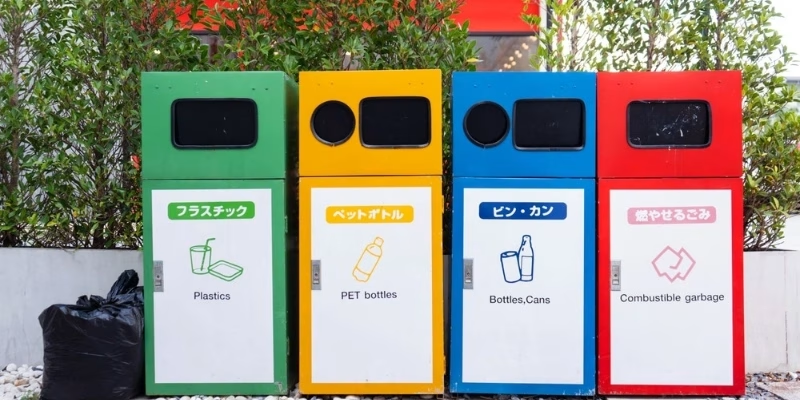

How to sort garbage in Japan is one of the most important things every foreign resident needs to learn. Japan’s waste management system is known for its strict rules and detailed categories, which can be confusing for newcomers. However, once you understand how to separate and dispose of trash properly, you will find it surprisingly logical and easy to follow.
At Arealty Japan, we not only help foreigners find suitable apartments but also guide them through essential aspects of daily life such as understanding Japan’s unique garbage disposal system.
Why Garbage Sorting Matters in Japan
Japan is widely recognized for its efficient recycling and waste management. Because the country has limited landfill space and places strong emphasis on environmental protection, garbage sorting has become a civic responsibility.
In Japan, household waste is divided into multiple categories, and each city or ward has its own rules for collection days, bag colors, and disposal procedures. If you fail to follow these rules, your garbage may not be collected. In some cases, the sanitation staff may even leave a note explaining what was wrong with your sorting.
Although it may seem complicated at first, with consistent practice you will soon adapt to the system and appreciate its cleanliness and efficiency.

Basic Categories of Garbage in Japan
Before moving into a new apartment, you should check your local ward’s waste disposal guide. While rules vary slightly depending on location, most municipalities follow these five main categories.
Burnable (Combustible) Garbage – 可燃ごみ (Kanen-gomi)
Burnable garbage includes items that can be safely incinerated. Typical examples are:
- Food waste and leftovers
- Paper waste such as tissues and napkins
- Wooden chopsticks
- Dirty plastics or food packaging
- Small leather or rubber products
It is important to drain excess liquid from food waste before disposal. This reduces unpleasant odors and prevents pests.
Non-Burnable (Incombustible) Garbage – 不燃ごみ (Funen-gomi)
Non-burnable garbage refers to items that cannot be safely burned. For example, residents are expected to dispose of:
- Metal objects like pots, tools, or cans
- Glassware and ceramics
- Small household electronics
- Empty spray cans (must be completely used up)
You should place these items in transparent bags and remove any batteries before disposal.
Recyclable Garbage in Japan – 資源ごみ (Shigen-gomi)
Recycling is a core part of Japanese environmental policy. Residents are expected to clean and prepare recyclables before placing them out for collection. This category often includes:
- PET bottles: Remove caps and labels, rinse thoroughly.
- Cans: Wash and dry completely.
- Glass bottles: Separate by color (clear, brown, or other).
- Paper: Tie newspapers, magazines, and cardboard together with string.
Because recycling plants require clean materials, mixing dirty plastics or food waste with recyclables is strictly prohibited.
Oversized (Bulky) Garbage – 粗大ごみ (Sodai-gomi)
Items that are too large to fit into a standard garbage bag are considered bulky waste. Examples include:
- Household furniture such as tables, chairs, and futons
- Large appliances (TVs, refrigerators, microwaves)
- Plastic storage containers and travel suitcases
To dispose of these items, you must contact your local city office or apply online for collection. Most municipalities charge a small fee based on item type and size. After payment, you will receive a “sodai-gomi sticker” to attach to the item before setting it out on the designated day.
Hazardous Waste – 危険ごみ (Kiken-gomi)
This category includes items that can cause injury or contamination, such as:
- Batteries (dry cell or button types)
- Fluorescent light tubes
- Used lighters and small gas cylinders
It is recommended to wrap sharp items in newspaper and label them clearly before disposal.
Japan Garbage Collection Schedule and Rules
Each municipality has a printed or digital collection calendar indicating which type of garbage is collected on specific days.
For example:
- Monday and Thursday: Burnable garbage
- Wednesday: Recyclable garbage (PET bottles, cans, glass)
- Friday: Non-burnable garbage
You can find this schedule on the notice board of your building, on your city’s website, or through official mobile apps. Some cities also provide multilingual calendars or reminder notifications.
By following the collection schedule, you help maintain the cleanliness and order that Japan is famous for.

Sorting Garbage in Apartment Buildings
If you live in an apartment or condominium (マンション), there is usually a designated garbage collection area. These spaces are clearly marked and often locked to prevent unauthorized dumping.
Typically, residents are required to use specific bags approved by the city. Recyclables must be separated into their respective bins, while bulky waste should be scheduled individually.
It is always best to read the instructions posted near the garbage area. Many buildings use color-coded signs and illustrations that explain the correct disposal method.
At Arealty Japan, we recommend asking your landlord or property manager for the official “Garbage Disposal Guide” (ゴミの出し方ガイド) when you move in. Most agencies, including ours, can provide an English translation to make the process easier for newcomers.
Differences Between Cities
Although the basic concept is the same across the country, the details of how to sort garbage in Japan vary by region.
Tokyo
Tokyo’s 23 wards each have independent rules. Generally, waste is separated into burnable, non-burnable, recyclable, and bulky categories. PET bottles are usually collected separately from other plastics.
Osaka
Osaka tends to have a simpler system, where certain types of recyclable plastics can be combined with burnable garbage. Bulky waste still requires advance scheduling.
Kyoto
Kyoto has one of the most detailed systems in Japan. Paper products are further divided into cardboard, newspapers, and flyers. Residents are encouraged to participate in community recycling drives.
Fukuoka
Fukuoka uses a color-coded garbage bag system: red for burnable, blue for recyclable, and yellow for non-burnable waste.
Because the rules differ between cities, checking your ward office website is always a good idea. Most local governments offer guides in both Japanese and English.
Useful Apps and Tools
To make garbage sorting more convenient, several Japanese cities offer free apps. These tools provide reminders, sorting tips, and collection calendars.
Some popular ones include:
- Sodai-gomi Navi: For scheduling bulky waste pickups.
Tokyo 23-Ward Garbage App: Provides collection reminders and sorting instructions in multiple languages. - 3R Living App: Offers national-level recycling guides and eco-friendly tips.
- Google Translate Camera: Helps you instantly translate Japanese text on garbage posters or bags.
By using these apps, you can avoid mistakes and stay informed about local recycling updates.
The Cultural Meaning Behind Garbage Sorting
In Japan, waste sorting goes beyond environmental policy it represents cultural values of respect, responsibility, and community harmony.
The concept of “mottainai” (もったいない) expresses regret for wasting resources. This philosophy encourages people to reuse, recycle, and appreciate what they have. As a result, residents put great effort into washing recyclables, flattening boxes, and following collection schedules precisely.
By understanding this mindset, foreigners can integrate more easily into Japanese society and show respect for shared community spaces.

Typical Garbage Sorting Mistakes by Foreign Residents
Even experienced residents sometimes struggle with Japan’s garbage system. These are the usual mistakes many people make:
- Mixing plastic types: Not all plastics are recyclable. Dirty food packaging often belongs in burnable garbage.
- Improper disposal of electronics: Large appliances must be handled through the manufacturer’s recycling program, not municipal collection.
- Using the wrong bags: Some cities require official garbage bags sold at convenience stores or supermarkets.
- Ignoring collection days: Leaving trash outside on the wrong day can lead to fines or complaints from neighbors.
Double-checking your building’s disposal guide or asking your property manager will help you avoid these issues.
Conclusion
Mastering how to sort garbage in Japan is an essential part of becoming a responsible member of your community. The system may appear complex at first, but once you understand its structure and purpose, it becomes second nature. Following Japan’s detailed waste rules contributes to a cleaner environment and smoother neighborhood relationships.
Now that you understand how to sort garbage in Japan, you’re one step closer to living comfortably and responsibly like a local. If you’re still searching for an affordable or family-friendly place to rent, Arealty Japan has a variety of listings to suit your lifestyle and budget.
Explore our latest apartments here:
- Tokyo Apartments for Rent Under 50,000 Yen
- Tokyo Apartments for Rent Under 60,000 Yen
- Family-Friendly Apartments in Kawaguchi, Saitama
- Family Apartments for Rent in Kanagawa
Whether you’re living alone in Tokyo or moving with your family to Saitama or Kanagawa, our English-speaking team is here to help you find the perfect home in Japan.


Leave a Reply