

Starting a new life in Japan becomes much simpler when you know how to find the right apartment and manage your expenses wisely. This guide walks you through the essentials of apartment hunting, rental procedures, and cost-saving tips. Whether you prefer the vibrant city center or a peaceful suburban area, having the right information makes settling into your new home easier and more stress-free.
Popular Places to Rent in Japan
Finding the right place to live is one of the biggest decisions you’ll make when settling down in Japan. Whether you’re relocating for work, study, or a long-term stay, each major city from Tokyo to Osaka and Kyoto, offers something unique. Some areas are perfect for busy professionals, others suit families, students, or those seeking a peaceful, nature-filled lifestyle.
In this guide, we’ll walk you through popular neighborhoods across three major cities and compare central areas with suburban zones to help you find your ideal living environment.
Tokyo – Fast-Paced, Ultra-Modern, and Full of Opportunities
If you’re looking to rent or buy an apartment in Tokyo, central districts such as Minato, Shibuya, Shinjuku, and Chiyoda offer excellent access to business hubs, nightlife, and top-tier amenities. These areas are ideal for professionals, young entrepreneurs, and those who want to be in the heart of the action. However, Tokyo apartment rental prices in these areas are among the highest in Japan, and living spaces can be small.
For a more affordable and relaxed lifestyle, many locals turn to suburban Tokyo neighborhoods like Setagaya, Kichijoji, Nakano, and Nerima. These suburbs offer a blend of green spaces, family-friendly streets, and more spacious homes at lower rent. They are a smart choice for those renting an apartment in Tokyo on a budget or looking for a peaceful home environment.
Thinking of buying instead? Apartments for sale in Tokyo are available in both central and suburban areas, though buying an apartment in Tokyo can be expensive, especially in business districts. Still, properties in Tokyo suburbs offer better value for money and are increasingly popular with the Japanese middle class.

Central Tokyo busy modern energetic
Osaka – Welcoming, Lively, and Balanced
Osaka is cherished for its friendly vibe and distinctive culture, making it an appealing option for those searching for a more affordable alternative to Tokyo. Central hubs like Umeda, Namba, Kitahama, and Tennoji are transit-friendly and ideal for freelancers, remote workers, and students, offering everything from cozy studios to luxury rentals.
For those seeking peace and space, suburban Osaka including areas like Hirakata and Ibaraki offers an excellent environment for families and retirees. These neighborhoods feature lower rent, green parks, good schools, and more spacious housing, making them great for people prioritizing comfort and quality of life.
Housing options in Osaka range from sleek modern towers to traditional-style homes, giving renters and buyers plenty of choices. The average income in Osaka is approximately ¥4.5–5 million/year, slightly higher than the national median of ¥4.4–4.8 million/year.

Suburban Osaka peaceful spacious family friendly
Kyoto – Cultural, Serene, and Naturally Beautiful
If tradition and a calm atmosphere appeal to you, Kyoto might be your perfect match. Central districts such as Nakagyo, Shimogyo, and Higashiyama are rich in heritage, home to temples, shrines, and preserved architecture. These areas are especially popular with culture lovers, creatives, and international students. Expect stunning surroundings and walkable attractions, but keep in mind that rent can be high, and modern conveniences may be limited.
For a quieter lifestyle, check out outer areas like Fushimi, Uji, or Kyoto’s northern suburbs. You’ll enjoy fresh air, more space, and slower living, great for families, retirees, or anyone craving peace and connection to nature. Just be aware that daily travel into the city may take longer.

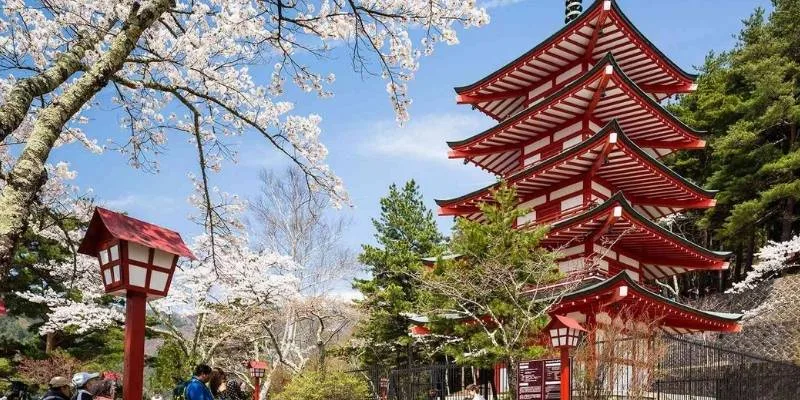
Central Kyoto cultural scenic historic charm
Central vs. Suburban Living: What’s the Difference?
Choosing between city center and suburban areas in Japan depends on your lifestyle and budget. The table below compares key factors like rent, transport, and living space to help you decide the best fit.
|
Criteria |
City Center |
Suburban Area |
|
Rent Price |
High (¥120,000 – ¥400,000/month) |
Lower (¥70,000 – ¥150,000/month) |
|
Transportation |
Very convenient, close to major train stations |
Requires longer travel, fewer main train lines |
|
Living Space |
Typically small, high-rise apartments |
More spacious, greener, and well-ventilated |
|
Best for |
Office workers, young professionals, business use |
Residential families, young scholars, and aging populations |
Things to consider when choosing where to live in Japan
Choosing the right place to live in Japan can make a big difference in your daily comfort and overall lifestyle. Depending on your personal goals, here are some suggestions to help you find the most suitable area:
- For work: Living close to the city center helps save time on commuting and gives better access to business hubs.
- For study: Look for quiet neighborhoods near schools or universities with reasonable rent and a student-friendly atmosphere.
- For families: Family-friendly areas often include parks, good schools, and a calm environment. These spots offer a more relaxed pace of life.
- For nature lovers: Suburban or green areas are perfect for those who enjoy peaceful surroundings and access to nature.
- For saving money: If you’re on a tighter budget, consider living in suburban districts where rental prices and daily expenses are much lower.
Types of Apartments in Japan for Rent
When searching for an apartment in Japan, you’ll often come across combinations like “1R,” “1K,” or “2LDK.” These abbreviations describe the number of rooms and layout type. Understanding them will help you choose the right home based on your space needs, lifestyle, and budget.
|
Code |
Description |
Size & Best for |
|
1R |
Studio with a single room + compact kitchen + unit bath |
~12–20 m²; best for students, singles on a budget |
|
1K |
One room + separate kitchen |
~20–25 m²; ideal for solo living with more privacy |
|
1DK |
One room + dining & kitchen space |
~25–30 m²; suits those who enjoy cooking/eating at home |
|
1LDK |
Bedroom, sitting area, eating zone, and food prep area |
~30–40 m²; perfect for couples or remote workers |
|
1SLDK |
1LDK plus a service room (storage or home office) |
40 m² and up; for those needing extra space |
|
2DK / 2LDK |
Two rooms + kitchen/dining or full living-dining-kitchen |
Great for small families or shared rentals |
Getting familiar with layout abbreviations such as 1R, 1LDK, or 2DK can help simplify your journey when exploring Japan apartments. Each type offers a unique setup suited to different lifestyles, whether you’re living solo, working remotely, or moving with family. By knowing what each layout includes, you’ll make smarter decisions that align with your comfort, privacy, and budget needs.
Cost of Rent in Japan: What to Expect
Renting an apartment in Japan can vary greatly depending on the city, neighborhood, and type of housing you choose. In Tokyo, one of the most expensive cities in the world, monthly rent for a standard studio or 1K apartment in central districts like Minato or Shibuya typically starts at ¥120,000 and can go much higher. Meanwhile, outer districts such as Setagaya or Nerima offer more affordable options, often ranging between ¥65,000 and ¥90,000 per month.
Other major cities like Osaka and Fukuoka offer slightly lower rental costs. In Osaka, average apartment rent hovers around ¥62,000, making it a more budget-friendly alternative while still offering great urban amenities.
A few key elements influence rental prices across Japan:
- Proximity to transport hubs and city centers – Apartments closer to major train lines or business districts usually command higher prices.
- Age and condition of the building – Newer or recently renovated buildings with updated interiors tend to cost more.
- Amenities and services – Features like elevators, auto-lock doors, delivery boxes, or even on-site gyms can significantly raise monthly rent.
During an apartment type comparison:
- Studios (1R or 1K) in the suburbs are ideal for solo renters and students on a budget.
- 1LDK units (with a separate living/dining area) offer more space and privacy, suitable for couples or remote workers.
- 2LDK or larger apartments cater to families or those who prefer roomier layouts, especially in suburban areas where space is more available.
Understanding the dynamics of apartment rent in Japan is essential for making the right decision, whether you’re relocating for work, studying, or simply exploring life in Japan. Consider your priorities: if convenience and city life are top of your list, central Tokyo may be worth the cost. On the other hand, if space, nature, and lower living expenses appeal to you more, the outskirts of cities like Osaka or Kyoto can offer great value without sacrificing comfort.
Explaining Rent Prices and Contract Terms
Renting an apartment in Japan involves more than just paying monthly rent. Before signing the lease, tenants should be prepared for several upfront costs. Here’s a breakdown of the most common initial fees and requirements when renting a home in Japan.
|
Fee / Requirement |
Typical Cost & Explanation |
|
Security Deposit (Shikikin) |
Usually equal to 1–2 months’ rent – Refundable if there’s no major damage to the property. |
|
Key Money (Reikin) |
Around 1–2 months’ rent – A non-refundable “thank you” payment made to the landlord |
|
Agency Fee |
Typically 0.5–1 month’s rent plus tax – Paid to the real estate agency assisting with the rental process |
|
Guarantor Company Fee |
50–100% of one month’s rent – Paid to a guarantor company instead of relying on a personal co-signer |
|
Fire Insurance |
Approximately ¥15,000–¥20,000 for a 2-year policy – Often required by landlords |
|
Required Documents |
Residence card (Zairyu Card), passport, Japanese bank account, proof of income, and an emergency contact |
Being informed about these initial rental fees and required documents can help you manage your budget and avoid unexpected expenses. Planning ahead ensures a smoother apartment search and a more secure start to your life in Japan.
Where and How to Rent an Apartment in Japan
Discover rental options across Japan. Start your journey on trusted property websites like Suumo, Homes.co.jp, ARealty.jp, and Realestate.co.jp. These platforms feature extensive listings across Japan, making it simple to filter by budget, layout, or location. Whether you’re after a cozy 1K in Tokyo or a spacious 2LDK in the suburbs, these sites help streamline the hunt.
For international renters, ARealty and Realestate.co.jp stand out by offering English-language interfaces, ensuring a more accessible and stress-free experience when navigating Japan’s housing market.
Rental Guide for Foreigners Living in Japan
When renting a Japan apartment, especially as a foreigner, there are several important tips that can make the process smoother, more affordable, and stress-free. Here are some friendly, practical pointers to guide you through the rental journey:
- Negotiate wisely: Don’t hesitate to discuss rent, move-in dates, or agent fees especially if you’re renting long-term or during off-peak seasons. Negotiating wisely can benefit your rental terms.
- Read the lease carefully: Review all terms and conditions, including the deposit policy, cancellation rules, pet regulations, and any hidden fees, before signing.
- Know your rights and responsibilities: As a tenant, your privacy is protected and landlords can’t evict you without a valid reason. However, you’re also expected to follow the property’s rules.
- Save on upfront costs: Look into options like UR Housing, which doesn’t require key money or agent fees. These are especially budget-friendly for foreigners in Japan.
- Use expat-friendly platforms: Sites like ARealty, and Realestate.co.jp offer English support, simplified application processes, and step-by-step guidance ideal for non-Japanese speakers.
Conclusion
Finding an apartment in Japan can be challenging, especially with so many options and price ranges available. Hopefully, the information and tips in this article will give you a better understanding and help you discover the perfect place to live. Be sure to carefully consider the location, cost, and design before making your final choice. If you plan to move to Japan and need assistance finding a rental, contact An Lac. We’re here to support you in finding a home that matches your preferences and needs.



Leave a Reply