
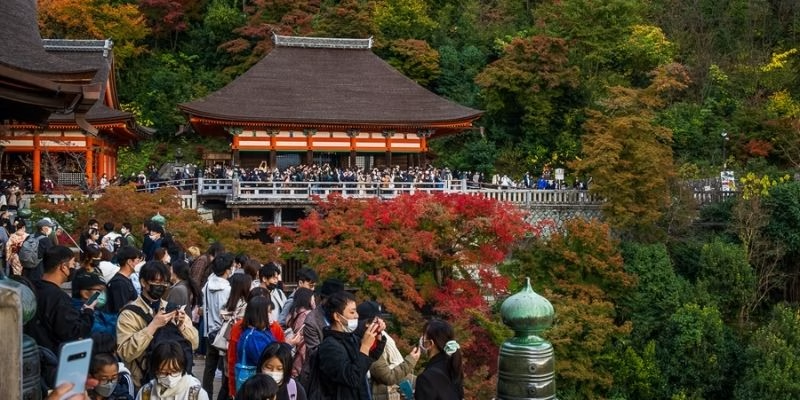

Rural Japan offers a slower, more meaningful lifestyle away from the noise of the city. These quiet countryside towns provide affordable homes, beautiful natural surroundings, and a welcoming community spirit, ideal for anyone seeking peace, culture, and a closer connection to everyday life. It’s a refreshing alternative to the busy pace of suburban Tokyo.
What Is Life Really Like in Rural Japan?
Life in rural Japan, commonly known as inaka, offers a peaceful, slower-paced alternative to the energy of Tokyo and other major cities. Instead of packed trains and noisy streets, you’ll find winding country roads, birdsong, rice paddies, and scenic mountain views. Daily life is calm and deeply connected to nature and community. Neighbors exchange greetings, and seasonal festivals are a cherished part of local tradition.
One of the biggest draws to the countryside is affordability. You can find spacious homes, even classic Japanese-style houses, at a much lower cost than in suburban Tokyo. The air is fresher, the surroundings more open, and many residents still engage in traditional activities like farming, handcrafting, or local trade. It’s a lifestyle that values simplicity and self-sufficiency.
However, rural living comes with its own hurdles. Public transit options are limited, job openings can be scarce, and there’s often an expectation to take part in community tasks like neighborhood cleanups or meetings.
For foreigners, this setting can be both enriching and challenging. It’s a unique chance to experience real Japanese culture, improve your language skills, and feel part of a tight-knit community. But it also requires adjusting to a new social environment, where you may stand out and need to learn unspoken cultural cues.
If you’re looking for more space, lower rent, and a deeper connection to everyday life, far from the pressures of suburban Tokyo, rural Japan offers more than just a change of scenery. It’s a meaningful shift toward a life shaped by tradition, nature, and human connection.

Peaceful living beyond Tokyo crowds.
Key Differences Between Urban and Rural Living in Japan
Urban life in Japan, especially in Tokyo, is fast-paced and full of opportunities, but it comes at a cost. While the Tokyo average salary sits between ¥5.5 to ¥6 million a year, much of that goes toward high rent, utilities, and daily expenses. A small one-bedroom apartment in the city center can easily cost ¥130,000 or more each month, making it tough to save despite decent earnings.
In contrast, life in the suburbs in Japan or rural towns offers more room to breathe, both physically and financially. You can rent a full traditional house in the countryside for around ¥30,000 to ¥60,000 per month, making rural housing costs significantly lower. These areas also provide a slower rhythm of life, fresh air, and a stronger sense of community, which appeals to remote workers, young families, and retirees alike.
However, living outside major cities comes with its own challenges, such as limited job availability and public transport. Still, for those seeking affordable living, more space, and a deeper connection with nature, rural and suburban Japan offers an attractive alternative to big-city life.

Affordable space beyond city limits.
Why More People Are Considering Rural Japan
Amid growing urban stress and the fast-paced lifestyle of Japan’s cities, more and more people, both locals and foreigners, are turning their attention to the countryside as a refreshing alternative. It’s no coincidence that inaka, or rural Japan, is gaining serious appeal.
- Affordable housing and lower living expenses: In contrast to Tokyo, where renting a tiny apartment can eat up over a third of your salary, rural housing costs are far more manageable. For just ¥30,000–¥60,000 a month, you can live in a spacious home with a garden, and sometimes even a mountain view. The extra breathing room and lighter financial burden are major reasons people are leaving city life behind.
- A slower pace and stronger connection to nature: When you’re worn down by packed trains, deadlines, and concrete walls, life in the countryside offers a much-needed reset. Mornings begin with birdsong, meals include vegetables you grow yourself, and a real sense of community takes root. Many are choosing peaceful suburbs in Japan or small mountain villages to restore balance in their lives.
- Attractive relocation support from the government: To revitalize depopulated areas, numerous towns offer generous incentives, ultra-low rent, free plots of land, and subsidies to renovate abandoned homes (akiya). Programs like chiiki okoshi kyoryokutai (regional revitalization teams) actively invite young people and international residents to settle down, work, and help breathe new life into rural communities.
- Career and startup opportunities outside the city: While rural areas may not match Tokyo in scale, they’re growing in fields like eco-tourism, organic farming, healthcare, and education. Thanks to remote work becoming more mainstream, many now realize they can earn an income comparable to the Tokyo average salary, all while enjoying cleaner air and a calmer lifestyle.
- A call for new energy in aging towns: With Japan facing a rapidly aging population, many local governments are working hard to attract new residents. To keep schools, hospitals, and services running, they’re looking for fresh perspectives, especially from younger people and foreigners, to help reimagine and revive traditional communities.
Japan Rural Life Through the Eyes of Foreign Residents
For many foreigners, living in rural Japan, known as inaka, offers a peaceful yet challenging experience. Unlike the fast-paced life in cities like Tokyo or Osaka, the countryside provides a slower rhythm, cleaner air, a strong sense of community, and affordable housing. Many expats say they can rent or even buy a traditional home with a garden for just ¥30,000 to ¥60,000 per month, something nearly impossible in urban areas.
Life in inaka also allows for deeper cultural immersion. Speaking Japanese daily, joining local festivals, and participating in community farming or shared meals give foreigners a chance to truly connect with the culture and people. Still, rural living brings its own challenges. Common challenges include language barriers, fewer modern conveniences, limited public transport, and the feeling of isolation, especially when you’re the only foreigner in the village.
Still, many choose to stay because of the tranquility, strong local bonds, and quality of life. As Japan faces rapid population aging, the government is offering relocation incentives, such as free abandoned homes (akiya) and financial support, to attract newcomers. For those seeking a simpler, more sustainable lifestyle enriched with culture and community, rural Japan presents a promising opportunity.

Cultural roots, quiet rural living.
Rural Japan vs. Rural Hawaii: A Cross-Cultural Comparison
While both rural Japan and the countryside of Hawaii offer a peaceful lifestyle surrounded by nature, the experience of living in each place can feel entirely different.
Life in rural Japan is rooted in tradition, simplicity, and close community ties. Housing is highly affordable, you can often rent a spacious home with a garden for just ¥30,000 to ¥60,000 per month. Daily life moves at a slower pace, revolving around seasonal events, local festivals, and strong neighborhood connections. However, the lack of public transportation and limited job opportunities can be challenging, especially for foreigners adapting to a new culture and language.
Rural Hawaii, on the other hand, embraces a more laid-back, island-style rhythm. The “aloha” spirit is reflected in how locals live, with an emphasis on relaxation, nature, and independence. Yet, real estate costs are significantly higher, even in less developed areas. Buying a home can easily exceed $400,000. Many residents choose self-sufficient lifestyles, farming, surfing, or running small local businesses. The environment is warm and welcoming, but the geographic isolation can feel distant from the mainland.

Tradition meets tropics, worlds apart.
Modern Lifestyle in Japan: Blending Tradition and Convenience
Japan offers a unique lifestyle where centuries-old customs coexist with the latest conveniences. Whether you’re in a buzzing metropolis or a peaceful rural town, the blend of modern efficiency and cultural depth is felt in daily life.
- Smart yet Simple Homes: Japanese households combine advanced tech, like robotic vacuums, heated toilets, and smart appliances, with minimalist living spaces that reflect Zen philosophy.
- Effortless Transportation: From the high-speed Shinkansen to reliable local trains and buses, getting around is smooth, punctual, and supported by cashless IC cards like Suica and Pasmo.
- Compact, Functional Design: Urban life emphasizes efficiency. Small apartments are thoughtfully designed, maximizing space and reducing clutter, echoing the traditional Japanese value of simplicity.
- Everyday Convenience Meets Ritual: Need a late-night snack or pay a bill? Head to the 24/7 konbini (convenience store). Yet, traditions like tea ceremonies, seasonal festivals, and morning shrine visits still shape the daily rhythm.
- Culture-Preserving Innovation: Many communities restore historic homes and continue traditional crafts like woodworking and ceramics, infusing new life into age-old practices.
- Wellness in Daily Life: Practices like forest bathing (shinrin-yoku), mindful eating, and soaking in public baths (onsen) are integrated into modern life, promoting both physical and mental well-being.
- Balanced Work Culture: While values like respect and group harmony remain strong, modern shifts, such as remote work, shorter Fridays, and coworking spaces, are changing how people work.
Best Places in Japan for Foreigners Seeking a Quieter Life
For many foreigners in Japan, the fast pace and high cost of big cities like Tokyo can feel overwhelming. Luckily, Japan’s countryside offers peaceful alternatives where life is slower, more affordable, and deeply connected to nature and local culture. Here are some of the top rural and suburban areas perfect for a quieter lifestyle:
- Shirakawa-go (Gifu): A UNESCO World Heritage village known for its thatched-roof farmhouses and mountain scenery. Ideal for those looking to experience traditional Japanese life and escape the crowds.
- Iiyama (Nagano): Located in the Japanese Alps, Iiyama blends nature with convenience. Thanks to the Shinkansen, it’s easy to travel while enjoying rural housing costs that are much lower than in Tokyo.
- Miyama (Kyoto): Just outside the busy city, Miyama offers a taste of old Japan with charming countryside homes and a close-knit community. It’s one of the best suburbs in Japan for those who want a balance between rural charm and urban access.
- Hita (Oita, Kyushu): A small riverside town with hot springs, historic streets, and affordable homes. It’s great for foreigners seeking a more relaxed lifestyle and natural surroundings.
- Tsurui (Hokkaido): Famous for red-crowned cranes and untouched landscapes, Tsurui is a dream for nature lovers. With low living expenses and peaceful surroundings, it’s perfect for a fresh start.
- Ouchi-juku (Fukushima): A preserved Edo-era village offering a strong sense of history and culture. Ideal for anyone looking to deeply immerse themselves in rural Japanese life.
How Rural Life Compares to Tokyo Living
If you’re planning to live in Japan long-term, choosing between the fast-paced energy of Tokyo and the calm of the countryside is a major decision. While the city offers high-paying jobs and modern convenience, life in the suburbs in Japan or inaka (rural areas) appeals to many with its affordability, peaceful setting, and strong community ties. Here’s a simple comparison to help you decide what fits your lifestyle best:
| Category | Living in Tokyo | Life in Rural Japan (Inaka) |
| Housing Costs | Expensive, often 30–50% of income. Small apartments start from ¥80,000+ | Rural housing costs range from ¥30,000–¥60,000/month for spacious homes with yards |
| Average Salary | The Tokyo average salary is around ¥300,000–¥400,000/month | Lower income, but overall living expenses are much more manageable |
| Living Environment | Crowded, noisy, limited personal space | Quiet, green, nature-richm, great for a slower, more balanced lifestyle |
| Access to Services | Excellent public transport, 24/7 convenience, healthcare nearby | Fewer services; limited public transit in many areas |
| Community Life | More private, less neighbor interaction | Close-knit, communal, with frequent local festivals and group activities |
| Work Opportunities | Broad job market, especially in tech, business, and retail | Growing sectors in eco-tourism, organic farming, remote work, and healthcare |
| Lifestyle Vibe | Busy, stressful, and sometimes tiring. | Relaxed, simple, and more connected to tradition and daily nature |
Your ideal lifestyle will determine where you feel most at home. If you’re chasing career growth, higher income, and convenience, Tokyo has everything you need. But if you’re drawn to a quieter setting, lower rural housing costs, and deeper cultural experiences, the suburbs in Japan or the countryside offer a refreshing alternative.
Japan’s countryside is becoming an attractive option, not just for locals but for foreigners too, especially as government relocation programs and affordable housing make rural living more accessible.
Conclusion
Choosing between life in Tokyo and rural Japan depends on your personal priorities. Tokyo delivers modern convenience, higher job prospects, and a faster lifestyle, but it also comes with high living expenses. Meanwhile, the countryside and suburbs in Japan offer affordable rural housing costs, a peaceful environment, and a chance to connect with local traditions.
Thanks to government incentives and growing interest in sustainable living, more people, both Japanese and foreigners, are exploring inaka as a long-term option. Whether you’re searching for space, community, or a slower pace of life, rural Japan is becoming increasingly attractive.
At An Lac, we help you navigate both worlds. Whether you’re looking to settle in a quiet mountain village or in a vibrant Tokyo neighborhood, we’ll guide you toward a lifestyle that fits your goals, comfortably, confidently, and with cultural insight.



Leave a Reply