
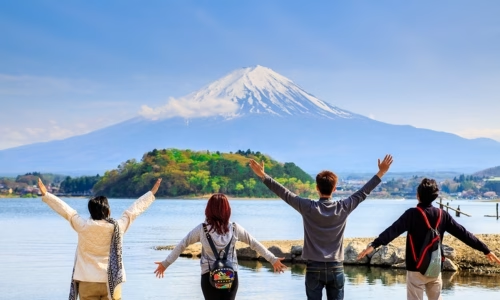

Looking for a way to explore Japan and earn money along the way? The Working Holiday Visa Japan program is designed for young travellers who want to experien cost of living in japan daily life in Japan beyond just sightseeing. It allows you to live, work part-time, and travel freely for up to a year. Begin your Japan adventure with the must-know facts and tips.
Japan’s Working Holiday Visa Explained
The Working Holiday Visa offers young travellers from eligible countries a unique chance to live in Japan for up to one year. It’s more than just a tourist visa; it allows you to travel across Japan at your own pace, take on part-time jobs to fund your journey, and experience daily life like a local.
With this visa, you’re free to explore Japan’s diverse regions, from the neon streets of Tokyo to the peaceful countryside of Hokkaido. You can work in cafés, ski resorts, farms, or guesthouses, giving you both income and valuable cultural exposure. More importantly, you’ll be part of the community, practising your Japanese in real situations, making friends, and learning how locals live, eat, and work.
Unlike long-term work visas that require a job offer upfront, this option gives you the freedom to choose where you live and what you do, making it perfect for adventurous souls looking for both flexibility and unforgettable memories.

Who Can Apply?
Before you start packing, it’s important to check whether you meet the requirements for Japan’s Working Holiday Visa. This program is available only to travellers who fulfil specific criteria. To qualify, you need to:
- Hold citizenship from a partner country that has a working holiday agreement with Japan. These include Australia, New Zealand, Canada, the United Kingdom, Germany, France, South Korea, and several others.
- Only those aged 18 through 30 can apply for this visa. (Some countries may have different age limits, so it’s best to confirm with the Japanese embassy in your home country.)
- Travel solo, you can’t bring dependents like a spouse or children under this visa category.
- Show proof of sufficient funds to support yourself during the first part of your stay. This usually means having ¥200,000 to ¥300,000 in your bank account.
- Own a valid passport and have not joined the program before. This visa is typically a once-in-a-lifetime opportunity.
If you check all these boxes, you’re ready to take the next step toward working and travelling in Japan. Always double-check the latest requirements with your local Japanese consulate, as policies may vary slightly by country.
How to Apply for Japan’s Working Holiday Visa Program
Applying for the Working Holiday Visa in Japan is a straightforward process, but it’s important to prepare your documents carefully. Once you’ve confirmed your eligibility, gather the following items:
- Completed application form (downloaded from the official embassy or consulate website)
- Valid passport with enough remaining validity for your stay in Japan
- A personal statement or motivation letter explaining why you want to participate in the working holiday program
- Detailed travel and work itinerary, outlining where you plan to go and what kinds of jobs you’re hoping to do
- Resume or academic background summary to show your qualifications and work history
- Proof of financial stability, such as recent bank statements showing savings of ¥200,000–¥300,000 or more
Once your paperwork is ready, submit everything to the nearest Japanese embassy or consulate in your country. Depending on where you apply, the processing time usually takes 1 to 3 weeks. Some consulates may also schedule a short interview to discuss your travel plans and ensure you understand the visa conditions.
To avoid delays, double-check all forms and make sure your documents are up to date. Planning gives you a better chance of getting approved without stress.

What Jobs Can You Do in Japan?
One of the biggest advantages of holding a Working Holiday Visa in Japan is the ability to work legally while you explore the country. Although the visa doesn’t allow full-time employment, it lets you take on part-time or temporary roles that help fund your travels and daily expenses.
Popular job options for working holiday participants include:
- Cafés, restaurants, and convenience stores – Ideal for those looking for fast-paced, customer-facing roles.
- Ski resorts and beach hotels – Great for seasonal work in tourist hotspots like Hokkaido or Okinawa.
- Farm jobs or homestay-based roles – Perfect for nature lovers who enjoy hands-on, outdoor work.
- Teaching English informally – You may find casual tutoring opportunities, especially in urban areas or online.
Most of these positions offer hourly wages between ¥1,000 and ¥1,200, which is generally enough to cover food, rent, and transportation if you budget wisely.
Where to Find Jobs in Japan
Finding part-time work is easier than you might expect, especially in cities with high demand for foreign workers. Use the following tools to land a job during your stay:
- GaijinPot, Baitoru, and Hello Work – Popular websites for job seekers in Japan.
- Facebook groups and online communities – Many employers post openings in English-speaking expat groups.
- Local job placement agencies – These can connect you with short-term gigs, especially in hospitality or agriculture.
Keep in mind that some jobs may require basic Japanese skills, but many employers are happy to hire foreigners, especially in tourism-heavy regions.
Cost of Living in Japan on a Working Holiday
How much you’ll spend each month in Japan largely depends on where you choose to live. Big cities like Tokyo are more expensive, while rural areas tend to be more budget-friendly. Here’s a general overview of monthly living costs:
Location | Estimated Monthly Cost |
Tokyo | ¥150,000 – ¥250,000 |
Osaka | ¥120,000 – ¥200,000 |
Countryside or small towns | ¥70,000 – ¥150,000 |
These estimates typically include rent, groceries, transportation, and basic daily expenses. If you’re careful with your budget, working part-time at ¥1,000–¥1,200 per hour should help you cover most costs.
Money-Saving Tips While Living in Japan
- Stay in a shared house or guesthouse – These options are cheaper than renting a private apartment and often come furnished.
- Find jobs that include meals and free housing – Many resort or farm jobs offer accommodation and food, which significantly lowers your monthly spending.
- Use a bicycle or walk when possible – Public transportation is reliable but can add up, especially in major cities.
Minimum wage varies by region. Tokyo offers the highest, often above ¥1,100/hour, while smaller towns may offer slightly less. Choosing your location wisely can help you stretch your budget while still enjoying a rich cultural experience.
Best Places to Stay in Japan
Where you decide to live in Japan will greatly influence your daily life, job opportunities, and overall experience. Each region offers a unique atmosphere, cost of living, and cultural flavour. We’ve outlined the options to help you decide where to stay:
Tokyo or Osaka
If you’re looking for energy, excitement, and convenience, these major cities deliver.
- Tokyo is Japan’s capital and the hub of job opportunities, especially in hospitality and retail.
- Osaka offers a slightly more relaxed vibe, famous street food, and lower rent than Tokyo.
- Downsides: Higher living costs and fast-paced lifestyles.
Hokkaido
Known for its breathtaking landscapes and snowy winters, Hokkaido is ideal for outdoor lovers.
- A top destination for ski resorts and winter tourism jobs
- Clean air, wide-open spaces, and lower housing costs
- A great option if you enjoy nature and seasonal work
Okinawa
Want beach life? Okinawa might be your paradise.
- Tropical climate with a laid-back island lifestyle
- Opportunities in beach resorts, guesthouses, and diving shops
- A slower pace of life, perfect for those who want to relax while working
Japanese Countryside (Inaka)
If you’re curious about traditional Japanese life, head to a rural area.
- Cheaper rent and quieter surroundings
- More chances to interact with locals and learn the language
- Ideal for farming, homestays, or cultural exchange programs
Whether you prefer the buzz of the city or the charm of a small town, Japan has a location that fits your goals. Choose based on your interests, budget, and the kind of lifestyle you want to experience.
Cultural Tips & Legal Reminders
To fully enjoy your working holiday in Japan, it’s important to understand both the cultural expectations and legal rules that apply during your stay. Respecting local customs and following visa regulations will help you avoid unnecessary issues and make your experience smoother.
Cultural Tips for Daily Life and Work
- Always be on time – Punctuality is a big part of Japanese culture, especially in the workplace. Punctuality matters, and being late can signal a lack of respect.
- Practice politeness – Use respectful language, bow when appropriate, and maintain a humble attitude. These small gestures make a big difference in how you’re perceived.
- Keep things tidy and quiet – In public places, silence and cleanliness are valued. Be mindful of your volume and clean up after yourself.
Important Legal Reminders
- Stick to the 28-hour weekly work limit – Your working holiday visa only allows part-time work. Going beyond this limit can lead to visa violations.
- Avoid restricted jobs – You are not allowed to work in adult entertainment, nightclubs, or any other industries considered off-limits by Japanese law.
- Always carry your residence card and ID – Japanese authorities may request to see your documentation at any time. Failing to have it on you may result in penalties or problems with the law.
Understanding and respecting these guidelines not only helps you stay compliant but also allows you to build stronger connections with locals and potential employers.
Can You Extend or Switch Visas?
The Working Holiday Visa in Japan is a one-time, non-renewable visa, meaning you can’t extend it once your allowed stay is over. However, if you’d like to remain in Japan longer, there are a few legitimate ways to continue living, working, or studying legally.
Next Steps When Your Working Holiday Visa Expires
- Apply for a student visa – If you’re interested in improving your Japanese language skills, enrolling in a language school or university can allow you to stay in Japan as a student.
- Transition to a work visa – If you’ve found a full-time job and meet the qualifications, your employer may sponsor you for a standard work visa. This is common in industries like education, IT, and hospitality.
- Consider the Specified Skilled Worker (SSW) visa – This is ideal if you have experience or certification in specific fields like caregiving, construction, or food service. It’s part of Japan’s effort to welcome skilled foreign workers.
Important Note on Visa Switching
In most situations, you’ll need to return to your home country to apply for a new visa. Visa status changes from within Japan are limited and not always guaranteed, so plan ahead before your current visa expires.
Exploring these options early, while you’re still in Japan, can give you a smoother transition if you decide to stay longer.
Is a Working Holiday in Japan Worth It?
A working holiday in Japan is more than just a temporary escape. It’s a life-changing experience for those who want to grow, explore, and learn beyond the classroom.
Here’s why so many travellers say it’s one of the best decisions they’ve ever made:
- You’ll dive deep into Japanese culture, not just as a visitor but as part of the community. From everyday routines to seasonal festivals, you’ll see a side of Japan most tourists miss.
- You’ll improve your Japanese through real-world interactions, at work, at home, and in daily life. It’s the fastest and most natural way to build language skills.
- You’ll gain independence, learning how to manage your time, budget, and responsibilities in a new environment.
- You’ll add valuable work experience to your resume, especially if you’re interested in global careers, hospitality, or language-based roles.
Yes, living in Japan can be expensive in some areas, but the rewards, personal growth, new friendships, unforgettable memories, and fresh perspectives, make the cost well worth it.
FAQs: Quick Answers About the Working Holiday Visa in Japan
Do I need to speak Japanese?
No, Japanese is not a requirement to apply for the visa. However, knowing basic Japanese can make a big difference in your daily life, especially when job hunting, shopping, or navigating transportation. Even simple phrases show respect and effort, and many employers prefer candidates who can communicate at a basic level.
Is health insurance mandatory?
Yes. If you stay in Japan for more than three months, you’re required to enrol in Japan’s National Health Insurance (NHI) system. This covers most medical expenses and ensures you’re protected in case of illness or injury. You can sign up at your local city hall shortly after arriving.
Can I move to a different city during my stay?
Yes, you’re free to relocate within Japan during your working holiday. Just make sure to report your new address at the city or ward office in your new area. Also, update your residence card with the new address to stay compliant with immigration rules.
Conclusion
The Working Holiday Visa Japan is more than a travel opportunity; it’s a life-changing experience. Whether you’re working in a cozy café in Kyoto, making friends from around the world, or navigating Tokyo’s train system solo, every moment helps you grow.
If you’re between 18 and 30 and ready for adventure, Japan is waiting. Start your application today, and get ready to live, work, and discover the real Japan.



Leave a Reply