
Quick answer: A 1 bedroom apartment in Japan comes in four layouts: 1R, 1K, 1DK and 1LDK. In Tokyo’s 23 wards, average rent for a 1K or 1DK ranges from ¥64,700 in Nerima to ¥150,300 in Minato. A true one-bedroom (1LDK class) ranges from ¥80,400 in Katsushika to ¥383,000 in Minato. Plan for 4 to 6 months’ rent upfront to move in.
| Layout | Typical size | Average rent (Tokyo 23 wards) |
|---|---|---|
| 1R | 15–25㎡ | ¥59,800 to ¥138,500 |
| 1K | 18–25㎡ | ¥64,700 to ¥150,300 (1K and 1DK combined) |
| 1DK | 25–35㎡ | Same range as 1K (reported together) |
| 1LDK | 35–45㎡ | ¥80,400 to ¥383,000 (1LDK, 2K and 2DK combined) |
Source: Hato Mark Site rent statistics, compiled April 21, 2026.
In Japan, the number in a layout name counts the rooms. The letters show what else you get: K is a kitchen, DK is a dining kitchen, and LDK is a living, dining and kitchen room. R means the kitchen sits inside the single room. This guide compares all four layouts, shows rent in every Tokyo ward, and walks you through renting as a foreigner.
Tokyo 23 Wards Rent Comparison Table
The table shows average monthly rent for units within a 10-minute walk of a station. The number in brackets is how many listings the average is based on.
| Ward | 1R | 1K / 1DK | 1LDK / 2K / 2DK |
|---|---|---|---|
| Chiyoda | ¥138,500 (15) | ¥144,800 (26) | ¥265,900 (19) |
| Chuo | ¥102,000 (29) | ¥128,500 (37) | ¥232,300 (50) |
| Minato | ¥133,300 (71) | ¥150,300 (107) | ¥383,000 (152) |
| Shinjuku | ¥80,050 (160) | ¥100,800 (226) | ¥182,200 (166) |
| Bunkyo | ¥78,100 (67) | ¥92,700 (104) | ¥133,700 (91) |
| Taito | ¥77,100 (54) | ¥87,900 (79) | ¥151,600 (86) |
| Sumida | ¥76,400 (33) | ¥83,200 (95) | ¥128,400 (91) |
| Koto | ¥72,800 (38) | ¥89,400 (105) | ¥134,900 (59) |
| Shinagawa | ¥89,100 (58) | ¥98,700 (183) | ¥163,500 (138) |
| Meguro | ¥81,600 (51) | ¥98,400 (66) | ¥181,900 (55) |
| Ota | ¥112,400 (92) | ¥79,900 (180) | ¥133,700 (165) |
| Setagaya | ¥77,400 (156) | ¥84,000 (289) | ¥143,500 (135) |
| Shibuya | ¥131,800 (88) | ¥111,500 (133) | ¥230,000 (88) |
| Nakano | ¥75,400 (110) | ¥89,400 (192) | ¥160,400 (113) |
| Suginami | ¥66,700 (119) | ¥71,800 (214) | ¥123,000 (101) |
| Toshima | ¥69,400 (139) | ¥83,800 (213) | ¥144,300 (141) |
| Kita | ¥71,900 (79) | ¥78,700 (192) | ¥119,900 (116) |
| Arakawa | ¥60,700 (28) | ¥70,800 (52) | ¥117,200 (27) |
| Itabashi | ¥60,000 (90) | ¥70,000 (209) | ¥114,400 (162) |
| Nerima | ¥59,800 (73) | ¥64,700 (175) | ¥110,010 (110) |
| Adachi | ¥84,100 (23) | ¥66,500 (73) | ¥93,400 (83) |
| Katsushika | ¥66,900 (16) | ¥65,800 (48) | ¥80,400 (52) |
| Edogawa | ¥61,100 (27) | ¥66,700 (88) | ¥115,900 (84) |
Source: Hato Mark Site rent statistics, compiled April 21, 2026.
In Ota, Shibuya and Adachi, the average 1R rent is higher than the average 1K/1DK rent. A few new designer studios can pull a ward’s 1R average up, so compare individual listings rather than relying on the average alone.
The outer wards give you the most space for your money. Nerima, Itabashi, Katsushika and Edogawa all have 1K rent under ¥71,000. For a full ward-by-ward breakdown of budget areas, read our guide to cheap apartments in Tokyo.
1 Bedroom Apartment Rent Outside Tokyo
Rent drops quickly once you leave the capital. A typical 1LDK costs about this much in other major cities:
| City | Typical 1LDK rent | Typical size |
|---|---|---|
| Tokyo central wards | ¥230,000 to ¥383,000 (Chuo, Chiyoda, Shibuya, Minato) | 35–42㎡ |
| Tokyo outer wards | ¥80,400 to ¥119,900 (Katsushika, Adachi, Nerima, Itabashi, Edogawa, Arakawa, Kita) | 38–45㎡ |
| Yokohama / Kanagawa | ¥75,000 to ¥120,000 | 40–48㎡ |
| Osaka | ¥65,000 to ¥100,000 | 42–50㎡ |
| Nagoya | ¥55,000 to ¥90,000 | 45–55㎡ |
| Fukuoka and Sapporo | ¥50,000 to ¥80,000 | 45–55㎡ |
A 1 bedroom apartment in Japan outside Tokyo is often 10㎡ larger for the same rent. If you work remotely, Osaka and Fukuoka offer strong value.
1R vs 1K vs 1DK vs 1LDK: Which Layout Fits You?
The four layouts differ in two ways: how much space you get and whether the kitchen is separate from where you sleep. Your choice depends on how long you plan to stay, whether you cook, and whether you live alone. The sections below cover each layout with its own rent data.
What Is a 1R Apartment in Japan? Size and Rent
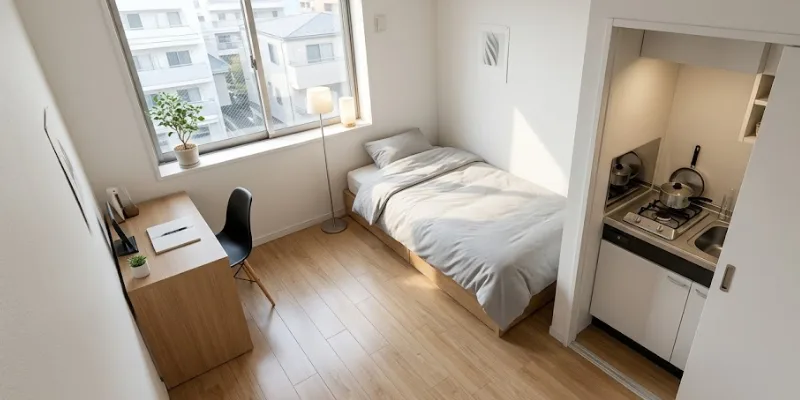
A 1R (one room) apartment in Japan is a single room of 15 to 25㎡ with the kitchen built into the same space. There is no door between the stove and your bed, so cooking smells stay in the room. Many 1R units have a unit bath that combines the toilet, sink and tub.
A 1R is the cheapest way to live alone in Tokyo. Average 1R rent in the 23 wards runs from ¥59,800 in Nerima to ¥138,500 in Chiyoda.
| Cheapest wards for a 1R | Average rent |
|---|---|
| Nerima | ¥59,800 |
| Itabashi | ¥60,000 |
| Arakawa | ¥60,700 |
| Edogawa | ¥61,100 |
| Suginami | ¥66,700 |
A 1R suits students and short-term workers who spend little time at home. Browse Tokyo rentals for one person to see current 1R listings.
1K Apartment in Tokyo: Rent by Ward
1K and 1DK units together have the most listings in 18 of Tokyo’s 23 wards. In Chuo, Minato, Taito, Adachi and Katsushika, 1LDK-class units are more common.
Average 1K and 1DK rent in Tokyo ranges from ¥64,700 in Nerima to ¥150,300 in Minato.
| Ward | Average 1K / 1DK rent | Listings in sample (≤10 min walk to station) |
|---|---|---|
| Nerima | ¥64,700 | 175 |
| Katsushika | ¥65,800 | 48 |
| Adachi | ¥66,500 | 73 |
| Edogawa | ¥66,700 | 88 |
| Itabashi | ¥70,000 | 209 |
| Suginami | ¥71,800 | 214 |
| Setagaya | ¥84,000 | 289 |
| Shinjuku | ¥100,800 | 226 |
| Shibuya | ¥111,500 | 133 |
| Minato | ¥150,300 | 107 |
The listing count shows how many units each average is based on. Wards with a larger sample, such as Setagaya, Shinjuku, Suginami and Itabashi, give the most reliable figures. Averages for wards with fewer listings, such as Katsushika, can shift more from month to month. If your budget is tight, start with apartments under ¥70,000 a month.
1DK Apartment in Tokyo: What the Extra Space Gets You
A 1DK apartment adds a dining kitchen to the main room, usually 25 to 35㎡ in total. You can eat at a table away from your bed, and the kitchen is large enough to cook every day.
Hato Mark reports 1K and 1DK rents together. Because a 1DK has an extra dining area, it usually costs more than a 1K in the same area and building age. A 1DK suits renters who cook at home or work from home a few days a week. The same naming logic applies to larger units, as our guide to the difference between 2DK and 2LDK explains.
How Much Is a 1LDK Apartment in Tokyo? (2026 Rent)
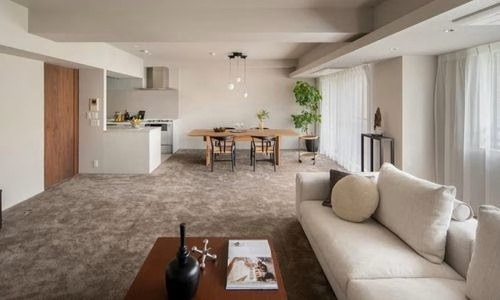
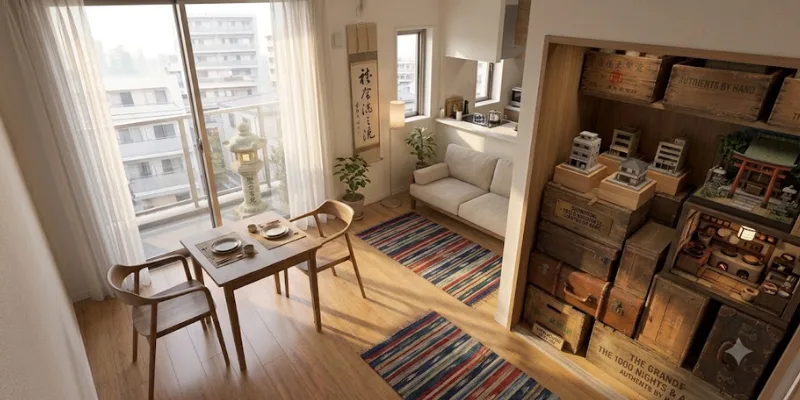
A 1LDK apartment has a separate bedroom plus a combined living, dining and kitchen room, usually 35 to 45㎡. It is the closest Japanese layout to a 1 bedroom apartment in the Western sense.
Hato Mark groups 1LDK with 2K and 2DK. In that group, average rent in Tokyo runs from ¥80,400 in Katsushika to ¥383,000 in Minato.
| Ward | Average 1LDK / 2K / 2DK rent |
|---|---|
| Katsushika | ¥80,400 |
| Adachi | ¥93,400 |
| Nerima | ¥110,010 |
| Itabashi | ¥114,400 |
| Edogawa | ¥115,900 |
| Shinjuku | ¥182,200 |
| Shibuya | ¥230,000 |
| Chuo | ¥232,300 |
| Chiyoda | ¥265,900 |
| Minato | ¥383,000 |
A 1LDK in central Tokyo costs three to six times as much as a 1K in the outer wards.. Couples and long-term residents often choose a 1LDK in Nerima, Itabashi or Edogawa to get more space for the same budget. If you need one more room, see how much a 2 bedroom apartment in Japan costs.
How to Rent a 1 Bedroom Apartment in Japan as a Foreigner
Renting a 1 bedroom apartment in Japan as a foreigner follows the same steps as for Japanese tenants. The landlord checks your income, your visa and who will cover the rent if you cannot pay. Preparing your documents early speeds up the screening.
Documents You’ll Need
Most landlords ask for these:
- Residence card (zairyu card) with at least several months left on your visa
- Passport
- Proof of income, such as recent payslips or an employment certificate
- Student ID and proof of enrollment if you are a student
- A Japanese phone number and bank account
- An emergency contact living in Japan
Our full list of required documents for renting in Japan covers special cases such as new arrivals and freelancers.
How to Rent Without a Personal Guarantor
Most landlords now accept a guarantor company instead of a personal guarantor. The company pays the landlord if you miss rent. You pay a first-year fee of 50 to 100% of one month’s rent, plus a yearly renewal fee. Read how the Japan rental guarantor system works before you apply.
Some foreigners are still turned down. If that happens, our guide to rental rejection for foreigners explains the common reasons and what to do next.
Standard Upfront Costs
| Cost | Typical amount |
|---|---|
| Security deposit | 0 to 2 months’ rent (refundable, minus repairs) |
| Key money | 0 to 2 months’ rent (non-refundable) |
| Agency fee | Up to 1 month’s rent plus tax |
| Guarantor company fee | 50 to 100% of one month’s rent |
| Fire insurance | ¥15,000 to ¥25,000 |
| Lock change | ¥15,000 to ¥30,000 |
| First month’s rent | 1 month plus fees |
| Total | Usually 4 to 6 months’ rent |
To cut this total, look for no key money apartments in Tokyo. Our explainer on deposit and key money in Japan shows which fees you can negotiate. Most Tokyo move-in quotes total 4 to 6 months’ rent. Apartments with no deposit and no key money can cost under 3 months.
Real Move-In Cost Example: A ¥60,000 1K
Here is the real move-in cost for Maison Nishigikubo KM, a 1K listed at ¥60,000 a month. With management fees, the total monthly cost is ¥71,050.
| Item | Amount |
|---|---|
| Key money | ¥30,000 |
| Guarantor company fee | ¥35,000 |
| Admin and other fees | ¥41,000 |
| Agency fee (1 month + 10% tax) | ¥66,000 |
| First month’s rent and fees | ¥71,050 |
| Security deposit | ¥0 |
| Total move-in cost | ¥243,050 |
This quote does not include fire insurance (¥15,000 to ¥25,000) or a lock change (¥15,000 to ¥30,000). If the landlord requires them, budget about ¥270,000 to ¥300,000 in total, or 4.5 to 5 months’ rent. After you move in, utilities for one person in a 1K usually add ¥10,000 to ¥15,000 a month. See our guide to utility costs for a 1K apartment.
That total equals about 4 months of the base rent. For more examples, see our move-in cost guide. When you leave, budget for cleaning and repairs as well; our guide to restoration costs when moving out explains what you will pay.
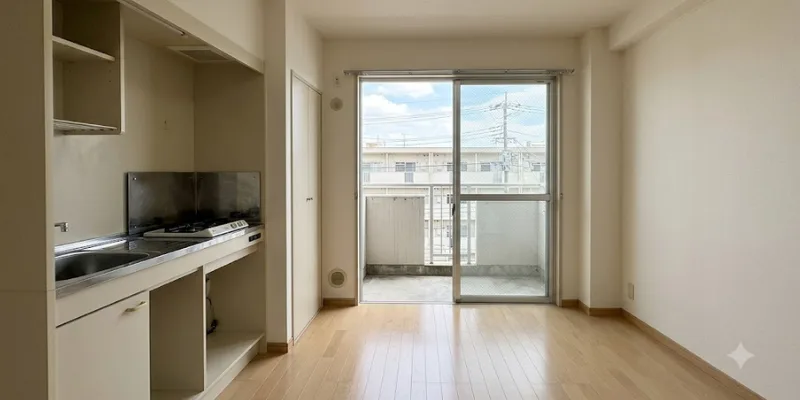
What’s Inside a Tokyo 1K Apartment?
Most Tokyo 1K apartments include:
- A main room of 6 to 8 tatami (about 10 to 13㎡) with flooring or tatami mats
- A small kitchen with one or two burners and a compact sink
- A bathroom, either a unit bath or a separate toilet and bath
- An air conditioner and a small closet
- A balcony or a space for a washing machine
Few apartments come furnished. Plan to buy a fridge, washing machine, curtains and lighting. Newer buildings often add auto-lock entrances, delivery boxes and a separate washbasin.
Rent vs Buy: When Owning a 1LDK Makes Sense
Buying a 1LDK makes sense if you plan to stay in Japan for many years and have stable income. Your monthly loan payment can come close to rent, and you build equity instead of paying a landlord. Buying also brings extra costs: purchase taxes, agency fees, a monthly management fee and a repair reserve.
For most foreigners staying under five years, renting is simpler and cheaper. To compare both paths, read how much a house in Japan costs and check current Japan mortgage rates.
Frequently Asked Questions
A 1K or 1DK averages ¥64,700 (Nerima) to ¥150,300 (Minato). A 1LDK-class unit ranges from ¥80,400 (Katsushika) to ¥383,000 (Minato). Small condos of 30㎡ or less averaged ¥114,339 including fees in August 2026, according to At Home.
A 1K has one main room plus a small kitchen separated by a door. It is usually 18 to 25㎡.
A 1R is a single room with the kitchen inside it. It is usually 15 to 25㎡ and is the cheapest layout for one person.
A 1K has a small separate kitchen. A 1DK adds a dining area to that kitchen. A 1LDK adds a separate bedroom plus a combined living, dining and kitchen room.
Yes, a 1LDK is the closest match. It has one separate bedroom plus a living, dining and kitchen room, usually 35 to 45㎡. A 1K or 1DK has no separate bedroom.
1DK means one room plus a dining kitchen. The dining kitchen is large enough for a small table, and the whole unit is usually 25 to 35㎡.
Yes. Most landlords accept a guarantor company, which charges a first-year fee plus a yearly renewal fee.
Plan for 4 to 6 months’ rent upfront, covering deposit, key money, agency fee, guarantor fee, insurance and the first month’s rent.
Nerima, with an average 1R rent of ¥59,800, followed by Itabashi at ¥60,000 and Arakawa at ¥60,700 (Hato Mark, April 2026).
Katsushika, at ¥80,400 for the 1LDK, 2K and 2DK group. For a 1K or 1DK, Nerima is cheapest at ¥64,700.
Find Your 1 Bedroom Apartment in Tokyo
Not sure where to start? Our bilingual team matches you with a 1 bedroom apartment in Japan that fits your visa, budget and move-in date. Many listings accept foreigners and need no personal guarantor.
- Browse all Tokyo apartments for rent
- See Tokyo rentals for one person
- Read our guide to apartments in Japan for foreigners
- Start your search on Arealty or go straight to apartments for rent
Sources
- Hato Mark Site rent statistics, Tokyo, compiled April 21, 2026
- At Home rent trends, August 2026

Real estate advisor at Arealty Japan, specialising in helping foreign residents navigate the Tokyo and Osaka rental markets. Lucy has guided hundreds of international renters — from Working Holiday visa holders to corporate relocations — through Japan’s apartment application process. Her writing draws on firsthand experience with landlord screening, guarantor companies, and foreigner-friendly listings across all 23 Tokyo wards and major Kansai cities.