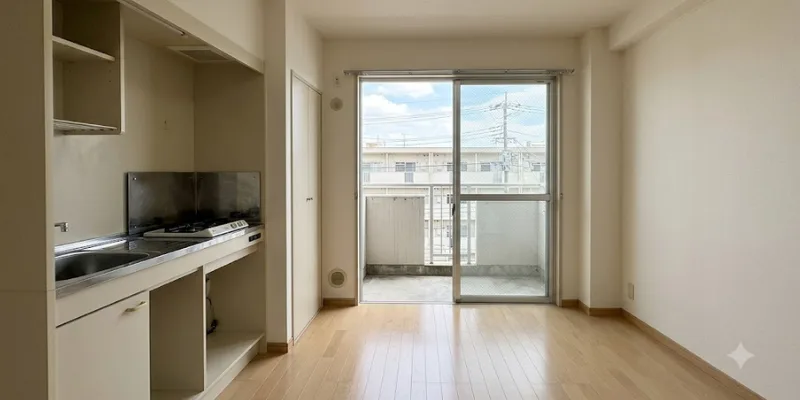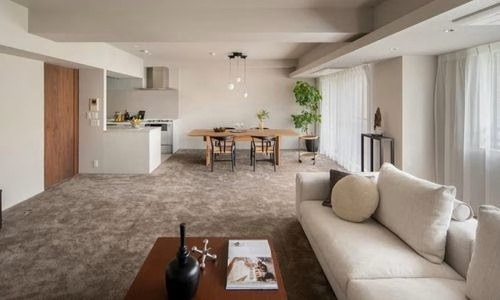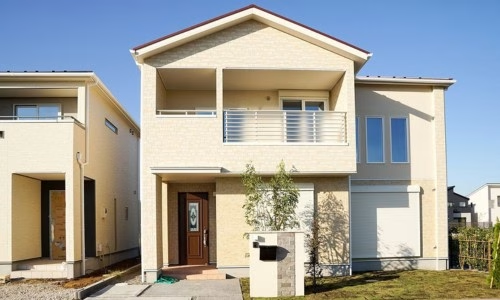

Foreigner-friendly apartments in Tokyo are rentals where the landlord openly accepts non-Japanese tenants, takes a rental guarantee company instead of a Japanese personal guarantor, and works through an agent who can explain the contract in English. Most also cut upfront costs with zero key money. In 2026, a 1K in an outer ward such as Nerima averages about ¥64,700 a month, while a 1K in central Minato runs around ¥140,000. Expect to pay four to six months of rent upfront before you get your keys.
This guide covers how to spot a genuinely foreigner-friendly listing, how to rent without a Japanese guarantor, which Tokyo areas suit foreign renters best, and which documents to prepare.
Key Facts at a Glance
| Item | What to expect in Tokyo (2026) |
|---|---|
| Listing label to look for | 外国人可 or 外国籍相談可 (foreigners welcome / negotiable) |
| Guarantor | Rental guarantee company (保証会社) accepted instead of a personal guarantor |
| Guarantee company fee | Typically 50% to 100% of one month’s rent at signing, plus an annual renewal fee |
| Upfront move-in cost | Roughly 4 to 6 months of rent |
| 1K rent, outer ward (Nerima) | About ¥64,700/month (Hatomark Site, April 2026) |
| 1K rent, central (Minato) | Around ¥140,000/month (Tokyo Rent Index, August 2026) |
| Standard lease | 2 years, renewal fee often 1 month’s rent |
| Time from inquiry to keys | Usually 2 to 3 weeks |
What Makes an Apartment Foreigner-Friendly in Tokyo?
A “foreigner-friendly” tag is not an official category. It is a set of conditions set by the landlord and the management company. In practice, a listing earns the label when it meets most of these points.
1. The landlord accepts foreign tenants up front. On Japanese portals, this appears as 外国人可 (foreigners OK) or 外国籍相談可 (foreign nationals negotiable). Without this tag, many applications are rejected before screening even begins.
2. A guarantee company replaces the personal guarantor. Traditional leases ask for a Japanese relative or employer to co-sign. Foreigner-friendly buildings accept a rental guarantee company instead, often one that offers English or multilingual support.
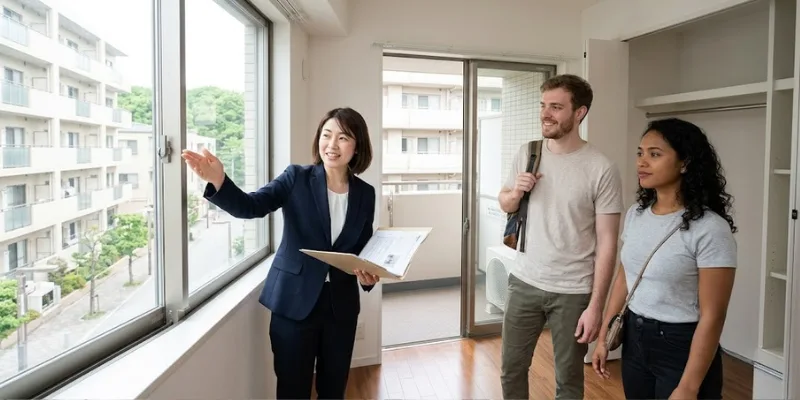
3. Someone can explain the contract in English. Japanese law requires the agent to explain the “important matters” (重要事項説明) before signing. A foreigner-friendly agent does this in English, or uses translated documents.
4. Upfront costs are reduced. Many buildings aimed at international renters set key money (礼金) to zero. Some also lower the deposit to one month.
5. Flexible emergency contact rules. Landlords usually want an emergency contact living in Japan. Foreigner-friendly properties often accept a friend, a coworker, or an emergency contact service run by the guarantee company.
6. Furnished or flexible-term options. Furnished units and shorter contracts make it easier to move in straight from overseas. For stays under a year, see our Tokyo short-term apartment rental guide.
The Japanese government supports this shift. The Ministry of Land, Infrastructure, Transport and Tourism (MLIT) publishes a guideline for landlords on renting to foreign nationals, with standard contract templates and checklists in 14 languages. MLIT also warns landlords that refusing a tenant only because of nationality may count as unjust discrimination.
Foreigner-Friendly Apartments Without a Guarantor
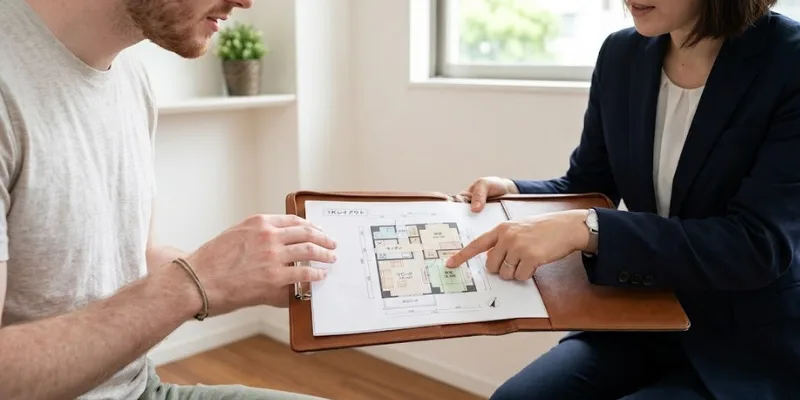
You do not need a Japanese friend or employer to sign for you. Most foreigner-friendly apartments in Tokyo now work with a rental guarantee company. Here is how the main options compare.
| Option | Guarantor needed? | Typical cost | Best for |
|---|---|---|---|
| Standard apartment + guarantee company | No personal guarantor; company screening | 50% to 100% of 1 month’s rent, then annual renewal fee | Most working visa holders and long-term residents |
| UR public rental housing | No | No key money, agency fee or renewal fee | Residents with stable income and valid status of residence |
| Share house | No | Small admin or contract fee | New arrivals, tight budgets, short stays |
| Serviced or monthly apartment | No | Higher monthly rent, utilities often included | First 1 to 6 months in Tokyo |
How guarantee company screening works. The company checks your visa type and remaining period of stay, your income, and your employment status. A working visa with a year or more remaining is usually approved without trouble. Students and Working Holiday visa holders may face stricter checks or a higher fee.
Tips to pass screening:
- Apply with a Japanese phone number. Screeners call to confirm your details.
- Keep your residence card valid for as long as possible before applying.
- Choose rent at or below about one third of your monthly take-home pay.
- Ask the agent which guarantee company the landlord uses. Some are far more open to foreign applicants than others.
For a deeper explanation of how the system works, read our guide to the Japan rental guarantor system. If you want listings that skip the requirement completely, see apartments in Japan with no guarantor.
A share house is the fastest no-guarantor route, but it is a different product from a private apartment. Our share house guide for foreigners covers that option in detail.
Best Tokyo Areas for Foreign Renters (2026)
Location changes your rent more than any other factor. A 1K in Nerima costs about half of a similar unit in Minato. Choose your commute first, then pick the ward that fits your budget along that train line.
| Area | Why foreign renters choose it | Rent level | Best for |
|---|---|---|---|
| Minato (Azabu, Roppongi, Hiroo) | Embassies, international schools, English-speaking clinics | Highest; 1K around ¥140,000 | Corporate relocations, families on housing allowance |
| Shibuya (Ebisu, Daikanyama) | Tech jobs, nightlife, many foreigner-friendly buildings | High | Young professionals |
| Shinjuku (Shin-Okubo, Nishi-Shinjuku) | Major rail hub, multicultural Shin-Okubo community | Mid to high | Commuters, students at nearby schools |
| Setagaya (Sangenjaya, Shimokitazawa) | Quiet streets, parks, easy access to Shibuya | Mid to high | Couples and families |
| Nakano and Suginami (Koenji, Ogikubo) | Direct Chuo Line access to Shinjuku, local feel | Mid | Value seekers working in west Tokyo |
| Edogawa (Nishi-Kasai) | One of Tokyo’s largest Indian communities, Tozai Line | Lower | Families wanting space for less |
| Nerima | Cheapest 1K average, about 17 minutes to Shinjuku | Lowest; 1K about ¥64,700 | Budget renters and students |
Rent sources: Hatomark Site data via Arealty (April 2026); Tokyo Rent Index via ExpatArrivals (August 2026).
Central wards (Minato, Shibuya, Chiyoda). These have the highest share of English-supported buildings, but rents climb fast. They suit renters whose employer pays a housing allowance. Browse Shibuya apartments for rent or compare the two most popular hubs in our Shibuya vs Shinjuku rental guide.
West side (Nakano, Suginami, Setagaya). These areas balance rent and convenience. The Chuo Line and Keio Line connect them to Shinjuku in 10 to 20 minutes. Many long-term foreign residents settle here after their first lease.
East and north (Edogawa, Nerima, Adachi, Katsushika). Rents here are the lowest in the 23 wards. Older buildings are more common, so check insulation and soundproofing at the viewing. Our Tokyo rent budget guide lists the 10 cheapest wards with full figures.
To compare layouts and prices across all wards, see our 1 bedroom apartment in Japan guide. Students should start with our student housing articles, which cover university-specific areas.
Documents Foreigners Need to Rent in Tokyo
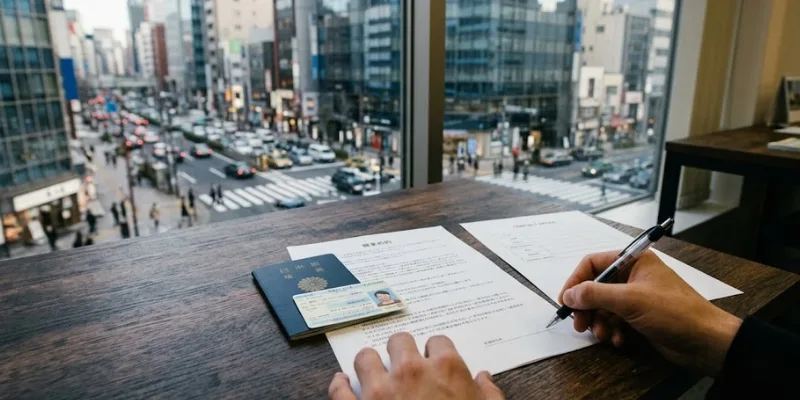
Having your documents ready speeds up screening and shows the landlord you are a reliable tenant. Prepare these before you start viewing.
| Document | Who needs it | Notes |
|---|---|---|
| Residence card (在留カード) | Everyone | Must be valid; screeners check the remaining period of stay |
| Passport | Everyone | Used to confirm visa and identity |
| Proof of income | Workers | Employment contract, certificate of employment (在職証明書), or withholding tax slip (源泉徴収票) |
| Certificate of enrollment | Students | Plus proof of savings or a sponsor’s income |
| Japanese phone number | Everyone | Required by most guarantee companies |
| Emergency contact in Japan | Everyone | Name, address and phone number |
| Bank account or credit card | Everyone | For monthly rent payment |
If you are still overseas. Some foreigner-friendly landlords accept an application with your passport, Certificate of Eligibility, and job offer letter. You then submit the residence card after arrival. Ask your agent before you apply.
For new arrivals. If you have no Japanese bank account yet, many guarantee companies accept a credit card for rent. A furnished monthly apartment can also bridge the gap while you set up your bank account and phone.
For the full checklist, including documents for self-employed renters and family members, see our guide to required documents for renting in Japan.
How Much Does It Cost to Move In?
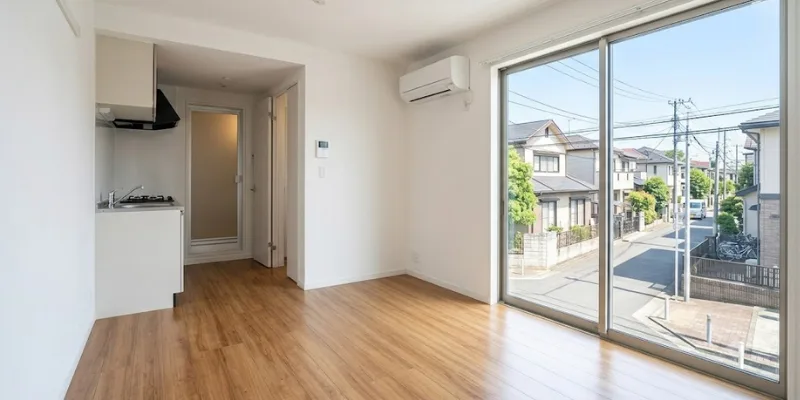
The biggest surprise for most foreign renters is the upfront bill. A typical Tokyo apartment asks for four to six months of rent before you move in.
| Cost item | Typical amount |
|---|---|
| Security deposit (敷金) | 0 to 2 months’ rent (partly refundable) |
| Key money (礼金) | 0 to 2 months’ rent (often 0 in foreigner-friendly units) |
| Agency fee (仲介手数料) | Up to 1 month’s rent + tax |
| Guarantee company fee | 50% to 100% of 1 month’s rent |
| First month’s rent (+ prorated rent) | 1 to 2 months |
| Fire insurance, key exchange | About ¥15,000 to ¥40,000 |
Choosing a zero key money listing is the easiest way to cut this bill. For a detailed breakdown with sample calculations, read our apartment move-in cost guide.
How to Find Foreigner-Friendly Apartments in Tokyo
- Set your budget. Keep rent near one third of your take-home pay.
- Choose your train line first. Then shortlist two or three wards along it.
- Filter for foreign-tenant listings. Look for 外国人可 or work with an agency that pre-screens landlords. Our list of the top real estate agencies in Tokyo for foreigners can help.
- Prepare documents early. Screening moves faster when everything is ready.
- View, apply, sign. The full process usually takes two to three weeks.
For each step in detail, follow our guide to renting an apartment in Tokyo step by step.
Frequently Asked Questions
Can foreigners rent apartments in Tokyo? Yes. Any foreign resident with a valid status of residence can rent in Tokyo. The easiest route is a foreigner-friendly apartment that accepts a rental guarantee company and offers English support.
What does 外国人可 mean on a listing? It means “foreigners OK.” The landlord has confirmed they accept non-Japanese tenants. 外国籍相談可 means foreign applicants are considered case by case.
Can I rent an apartment in Tokyo without a Japanese guarantor? Yes. Most foreigner-friendly apartments accept a rental guarantee company. UR housing, share houses and serviced apartments also require no personal guarantor.
How much is rent for a foreigner-friendly apartment in Tokyo? Rent is the same as for Japanese tenants. A 1K costs about ¥64,700 in Nerima and around ¥140,000 in central Minato as of 2026.
Can I rent an apartment in Tokyo before arriving in Japan? Sometimes. Some landlords accept applications from overseas with a passport, Certificate of Eligibility and job offer. Many renters book a furnished monthly apartment first, then sign a regular lease after arrival.
Are foreigner-friendly apartments more expensive? Not usually. They often cost less upfront because many set key money to zero. Fully furnished units, however, carry higher monthly rent.
Find Your Foreigner-Friendly Apartment with Arealty
Arealty lists foreigner-friendly apartments across all 23 Tokyo wards, with English support from first inquiry to key handover. We confirm landlord acceptance before you apply, so you only view places that will say yes.
- Start your search at Arealty
- Browse Tokyo apartments for rent
- See all 100,000+ listings across Japan

Real estate advisor at Arealty Japan, specialising in helping foreign residents navigate the Tokyo and Osaka rental markets. Lucy has guided hundreds of international renters — from Working Holiday visa holders to corporate relocations — through Japan’s apartment application process. Her writing draws on firsthand experience with landlord screening, guarantor companies, and foreigner-friendly listings across all 23 Tokyo wards and major Kansai cities.