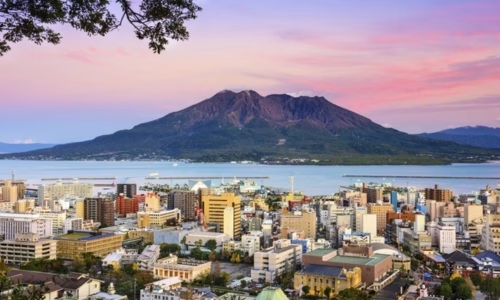

Sakurajima stands as one of Japan’s most fascinating natural landmarks. Located in Kagoshima Prefecture, this active volcano rises dramatically from the bay, offering an unforgettable blend of rugged beauty, volcanic activity, and rich local culture. If you’re exploring southern Japan, Sakurajima deserves a spot on your itinerary.
What Makes Sakurajima So Unique
Unlike many volcanoes that lie dormant, Sakurajima in Kagoshima Prefecture remains one of Japan’s most active and closely observed volcanoes. It frequently emits small plumes of ash and gas, offering a dramatic reminder of nature’s power while maintaining a level of activity that scientists constantly track. This unique volcanic behaviour makes Sakurajima an extraordinary place, where people continue their daily lives near an unpredictable natural force.
Originally, Sakurajima stood as an isolated island in Kagoshima Bay. However, a powerful eruption in 1914 changed the geography forever. Molten lava from the blast flowed across the narrow channel and fused the volcano to the mainland, permanently connecting it to the Ōsumi Peninsula. Today, visitors can easily reach Sakurajima from Kagoshima City by ferry or road, making it a popular destination for travellers interested in geology, hot springs, and impressive natural scenery.

How to Reach Sakurajima from Kagoshima City
Getting to Sakurajima is fast and convenient. From Kagoshima Port, a ferry departs every 15 minutes, and the short 15-minute ride offers stunning views of the volcano as you cross the bay. It’s not just a mode of transport, it’s also a scenic experience, especially on clear days when you can see smoke rising from the crater.
Once on Sakurajima, getting around is just as easy. Local buses stop at major sightseeing spots, while rental bicycles give visitors more flexibility to explore at their own pace. If you enjoy being active, walking trails lead through ancient lava fields, observation points, and lush greenery. These paths bring you close to the volcanic terrain, offering a unique look at how the island has been shaped by eruptions over time.

Top Things to Do on Sakurajima
Sakurajima rewards every kind of traveller, sightseers, photographers, food lovers, and anyone curious about life near an active volcano. Begin your Sakurajima journey with these highlights:
Take in the View from Yunohira Observatory
Ride or drive up to Yunohira Observatory, the highest public viewpoint on Sakurajima. From the platform, you get a close, dramatic look at the volcano’s slopes and smoking summit. Come late in the day and watch the sky change colour behind the crater at sunset, it’s one of the most memorable views in Kagoshima Prefecture.
Quick tip: Bring a zoom lens or binoculars for crater detail.
Follow the Nagisa Lava Trail
Walk the coast where past eruptions left thick waves of black rock. The Nagisa Lava Trail runs roughly 3 km along the shoreline and winds through hardened lava fields shaped by earlier flows. The route stays mostly flat, so it works for casual walkers, families, and photographers who want unobstructed views of Sakurajima across the bay.
Quick tip: Go early morning or late afternoon for softer light and cooler temps.
Soak at the Sakurajima Nagisa Foot Bath Park
Kick off your shoes and settle into Japan’s longest free foot bath fed by warm spring water. At Sakurajima Nagisa Foot Bath Park, mineral-rich water flows along a long stone channel where you can sit, relax, and gaze toward the volcano. It’s the perfect break after walking the lava trail.
Don’t forget a compact towel for drying your feet.
Taste Sakurajima Local Specialties
Volcanic soil grows bold flavours. Try the legendary Sakurajima daikon, a gigantic radish that can reach an impressive size yet tastes surprisingly mild. Don’t miss Sakurajima mikan, small tangerines packed with sweetness. Local stands and gift shops sell pickles, jams, fresh juice, and snack packs you can take back to Kagoshima City.
Food tip: Look for seasonal farm markets near the ferry area.
Best Time to Visit Sakurajima
Sakurajima is a fantastic destination year-round, but spring and autumn stand out as the most comfortable times to visit. From March to May, the island enjoys mild temperatures and clear skies, creating perfect conditions for sightseeing, hiking, and enjoying the lush greenery. In autumn, from October to November, the crisp air and colourful foliage make walks along the lava trails even more scenic and relaxing.
Summer brings a vibrant atmosphere, with deep green landscapes and lively local festivals. Though it can get hot and humid, the warm weather adds to the island’s energy. If you’re visiting in August, don’t miss the impressive fireworks displays over the bay, an unforgettable experience with Sakurajima in the background.
Winter is the quietest season. While it may be cooler, you’ll enjoy fewer crowds and peaceful surroundings. It’s a great time to unwind, take in the dramatic mountain views, and soak your feet in a hot spring footbath while watching steam rise from the volcano.
No matter when you visit, Sakurajima offers something special. For an even better experience, check the local calendar for cultural events, food fairs, and seasonal festivals that give you a deeper look into island life.

Tips for Visiting Sakurajima Safely
Despite being one of Japan’s most active volcanoes, Sakurajima is considered safe for tourists. Local authorities carefully track volcanic activity around the clock using advanced monitoring systems. Clear safety guidelines, alert systems, and designated no-entry zones help ensure both residents and visitors are well protected.
If you’re planning a visit, it’s a good idea to check the latest updates before you go. The Japan Meteorological Agency provides real-time volcano activity reports, while Kagoshima’s official tourism website offers visitor-friendly information in multiple languages.
Once you’re on the island, simply follow posted signs and stay on marked paths. Areas close to the crater are restricted for safety, but there are plenty of observation points and trails where you can safely enjoy the unique landscape. As long as you stay informed and respect local rules, exploring Sakurajima is both exciting and secure.

Where to Stay and Eat
Most visitors choose to base themselves in Kagoshima City, which offers a wide variety of accommodations, from budget guesthouses to upscale hotels. Staying in the city allows for easy access to Sakurajima, with the ferry terminal just a short ride from most central areas. The frequent ferry service makes it convenient to enjoy a full day on the island and return in the evening.
When it comes to dining, Kagoshima is a food lover’s destination. Many local restaurants specialise in seafood caught fresh from Kagoshima Bay. Thanks to the nutrient-rich volcanic soil, the region also produces flavorful vegetables, such as Sakurajima daikon and sweet potatoes. These ingredients often appear in traditional dishes and modern fusion meals alike.
Don’t leave without trying kurobuta pork, a Kagoshima specialty, or sampling local sweets made with citrus from the island. Whether you’re exploring food stalls near the port or enjoying a full-course dinner in the city, the flavours of Kagoshima reflect its unique volcanic environment and coastal culture.

Why Sakurajima Should Be on Your Travel List
Sakurajima is more than just a smoking volcano; it’s a place where nature, adventure, and culture come together. The island invites you to explore its wild landscapes, shaped by centuries of eruptions, while offering peaceful moments in hot spring foot baths and quiet coastal paths.
You can hike through ancient lava fields, enjoy panoramic views from scenic observatories, and learn about volcanic activity at the local visitor centre. Each activity gives you a deeper connection to this fascinating land and its people.
If you’re planning a trip to Kagoshima Prefecture, don’t miss the chance to visit Sakurajima. It’s a destination that balances raw natural power with everyday local life, offering an unforgettable mix of excitement and calm.
Frequently Asked Questions
Is Sakurajima dangerous to visit?
Not at all. Although Sakurajima is one of Japan’s most active volcanoes, it is closely monitored by the Japan Meteorological Agency 24/7. Eruptions are typically minor, and the island has clear safety zones, evacuation plans, and warning systems in place to ensure visitor safety. As long as you follow posted signs and avoid restricted areas, your visit will be safe and enjoyable.
Can you hike to the top of the volcano?
No, the summit area is closed to the public for safety reasons due to volcanic activity. However, there are several observatories, like Yunohira Observatory, that offer fantastic panoramic views of the crater and surrounding landscape without any risk.
How Much Time Do You Need to Explore Sakurajima?
A half-day visit is enough to see the main attractions, such as the lava trails, observatories, and foot bath park. However, if you enjoy slow travel, photography, or hiking, spending a full day on Sakurajima allows you to explore more deeply and appreciate the island’s natural beauty at a relaxed pace.
Conclusion
Sakurajima shows off the true heart of southern Japan, raw nature, warm hospitality, and unforgettable energy. Whether you’re stopping by for a quick visit or diving into a full-day adventure, this volcanic island offers powerful sights and lasting memories.

Real estate advisor at Arealty Japan, specialising in helping foreign residents navigate the Tokyo and Osaka rental markets. Lucy has guided hundreds of international renters — from Working Holiday visa holders to corporate relocations — through Japan’s apartment application process. Her writing draws on firsthand experience with landlord screening, guarantor companies, and foreigner-friendly listings across all 23 Tokyo wards and major Kansai cities.