


First floor apartment mold Issue Japan is a common yet often underestimated concern for renters, especially in humid cities like Tokyo. Beyond being a seasonal inconvenience, mold can cause serious health, structural, and financial problems. For couples or newcomers seeking a long-term home, understanding how to prevent and manage moisture is essential. This is crucial for maintaining a safe living space and protecting your security deposit.
Why Ground-Floor Units Face the Highest Risk
Securing an apartment for rent Japan on the ground floor introduces distinct vulnerabilities. These issues compound the humidity problem. These include factors beyond a tenant’s immediate control, stemming from structural design and environmental exposure. Understanding these specific risks allows tenants to prioritize their preventative actions effectively.
Inherent Weaknesses in Building Design and Ambient Conditions
- Limited Sun Exposure and Shading: Ground-floor units are frequently shaded by adjacent buildings, walls, or dense foliage. This obstruction prevents direct sunlight—a natural mold inhibitor—from reaching and drying exterior walls and interior surfaces effectively. For instance, north-facing walls and concrete slab floors perpetually remain cooler than the air, leading to higher rates of condensation.
- Reduced Natural Airflow: Air circulation is inherently lower near ground level, particularly in tightly packed urban environments. This stagnation causes humid air to settle and persist in cold pockets, corners, and behind large furniture. It also affects inside closets. This creates micro-environments perfect for mold germination.
- Thermal Bridging and Condensation: The core mechanism is condensation. Warm, moisture-laden indoor air touches cool surfaces like an exterior wall or the back of a wardrobe. When this occurs, the air rapidly cools and releases its moisture as liquid water. This accumulation often happens in hidden areas. These include the back of storage cabinets, under traditional tatami mats, and along baseboards where air cannot circulate freely.

Essential Tools and Practices for Proactive Prevention
Successful long-term tenants in Japanese residences leverage several proven techniques. These are non-negotiable actions for maintaining a healthy and legally compliant ground-floor tenancy, especially crucial when dealing with the pervasive First Floor Apartment Mold Issue Japan. These preventative steps focus on actively reducing the moisture content in the air and promoting constant air exchange.
Mastering Dehumidification Technology
The most critical tool available to tenants is the dehumidifier. You must treat the use of this device as mandatory. It is not optional during the humid months. This is because it directly controls the relative humidity level within the apartment.
- Dehumidifier Operation: Run a high-capacity unit constantly during the rainy season. Activate it immediately whenever indoor relative humidity exceeds 55%. Keeping the humidity consistently below 55% is the scientific threshold for inhibiting most common mold spore germination.
- Air Conditioner “Dry” Mode: Modern air conditioning units in Japan feature a “Dry” (ドライ/Sarabao) mode. This setting actively dehumidifies the room by cooling the air slightly. It pulls moisture out without the excessive energy consumption. It avoids the cooling of the standard AC mode. Use this function as a supplemental measure to your dedicated dehumidifier.
Ensuring Optimal Ventilation and Air Gap Management
Air circulation is the second line of defense against stagnant moisture pockets and condensation. Proper furniture placement and intentional air exchange prevent the trapped air conditions that are ideal for mold growth.
- Strategic Furniture Placement: Never push large, sealed furniture pieces directly against exterior walls. Keep a minimum gap of 5 to 10 centimeters (approximately 2 to 4 inches). This allows air to flow freely between the item and the wall surface. This stops micro-climates of trapped moisture. Condensation won’t form behind pieces of furniture. This includes a wardrobe, storage cabinet, or bed frame.
- Daily Cross-Ventilation: Open windows for cross-ventilation by opening opposing windows. Do this for at least 15 to 30 minutes every morning. This is important even during cooler weather. This exchange of indoor air with fresh outdoor air helps regulate temperature and expels accumulated moisture.
- Exhaust Fan Protocol: Always run the exhaust fan (ventilation fan) in the bathroom and kitchen. Keep it running continuously for at least 30 minutes after use. For bathrooms, it is often beneficial to leave the fan running 24 hours a day during the rainy season.
Limiting Domestic Moisture Sources
Tenants must be acutely aware of how common daily activities contribute significantly to indoor moisture levels. Taking steps to mitigate moisture from these domestic sources will drastically reduce overall humidity, a crucial action for combating the First Floor Apartment Mold Issue Japan.
- Laundry Management: Do not dry laundry indoors. Use an exhaust fan or point a dehumidifier directly at the clothes simultaneously. Wet laundry drastically increases indoor relative humidity to unacceptable levels.
- Closet and Storage Care: Silica gel dehumidification packs (mizu-tori zō-san) should be placed inside deep closets. Small chemical dehumidifiers should also be used in shoe cupboards. They should also be used in unused storage areas, as these are common high-risk spots for mold germination.
Surface-Specific Protocols for Effective Cleaning
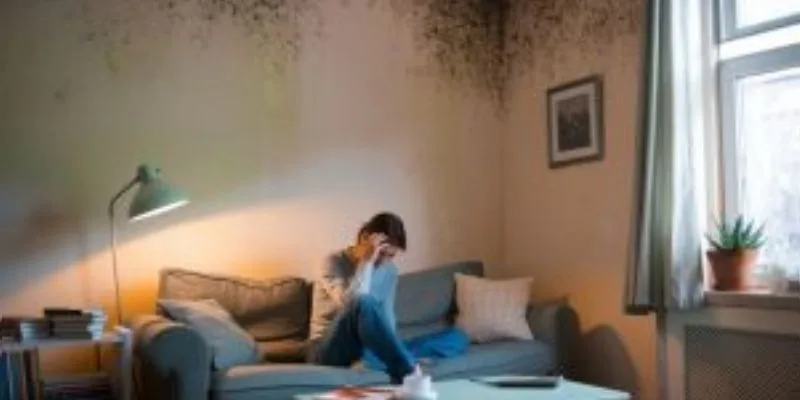
If mold is already visible, immediate and accurate action is essential to prevent its spread and avoid permanent damage. When residing in apartments in Japan, using the wrong cleaning agent can damage sensitive materials. Failure to address this may result in legal and financial repercussions. Therefore, careful selection and application are mandatory.
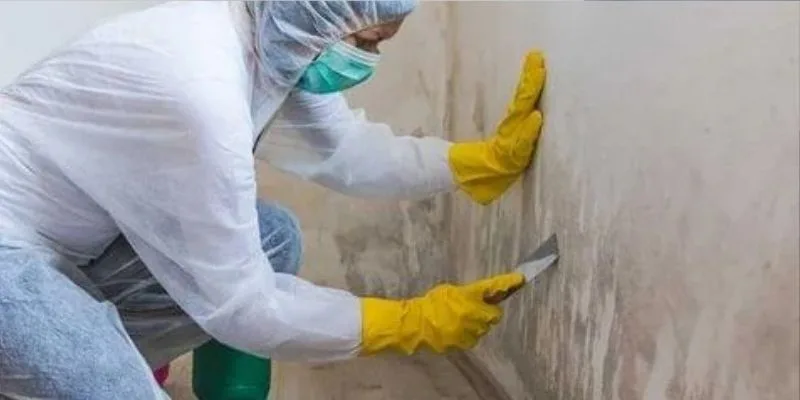
Remediation methods differ based on the material affected, requiring specialized attention to avoid damaging the property. Always ensure excellent ventilation and wear appropriate protective gear (gloves, mask) while cleaning to protect your health.
Disinfecting Strategy for Solid, Impervious Materials
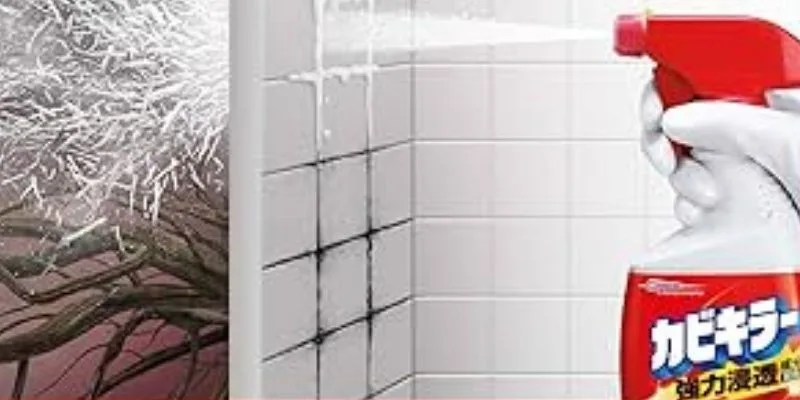
For surfaces like bathroom tile, plastic, metal, and glass, a potent, fast-acting solution is required. It needs to kill the mold spores and the root structure (hyphae). These materials can withstand strong chemical cleaners, making them the easiest to treat effectively.
- Method: For bathroom tile and plastic surfaces, use specialized Japanese chlorine bleach-based mold removers. These products are effective on metal and glass too. An example is Kabi Killer (カビキラー). You can easily find and purchase specialized mold removal products, including Kabi Killer (カビキラー), on Amazon.
- Application: Apply directly. Allow it to sit for the recommended contact time, which is usually 5-15 minutes. This allows it to penetrate the mold hyphae. Then wipe clean. Never mix bleach products with other cleaners containing ammonia, as this creates toxic chlorine gas.
Treatment for Porous and Sensitive Surfaces
Painted walls, wallpaper, or unfinished wood are highly porous surfaces. They are easily damaged by bleach. This makes a gentle yet effective solution necessary. These areas require a solution that will kill the mold but also evaporate quickly to prevent further moisture penetration.
- Method: For sensitive surfaces like painted walls, wallpaper, or unfinished wood, harsh bleach is destructive. Use isopropyl alcohol (rubbing alcohol, 70-80% solution) or a non-chlorine, quaternary ammonium-based mold killer.
- Why Alcohol? Alcohol is an excellent choice as it kills mold and evaporates quickly, minimizing residual moisture that could encourage re-growth. Gently wipe the affected area to avoid damaging the paint or wallpaper finish.
Treatment for Tatami Mats and Textiles
Tatami mats, traditional Japanese flooring, and other textiles are the most vulnerable and costly surfaces to treat. Mold that penetrates these fibers is often considered irreparable damage, highlighting the importance of prevention over remediation in these areas.
- Risk: These are the most sensitive and costly surfaces. Mold that penetrates these materials is often considered irreparable damage.
- Procedure: Use a soft brush (like a toothbrush) to lightly brush off surface mold spores. Hold a vacuum hose nearby to collect them. Then, gently wipe the area with a cloth dampened with alcohol. Immediate and thorough drying using a fan or hair dryer is crucial. Deeply embedded mold in tatami mats often requires professional replacement. The full cost will be deducted from your security deposit.
Crucial Action Point: If mold covers an area larger than 1 square meter, you must notify the landlord immediately. Notify them via written communication if the mold has penetrated structural elements, such as subflooring or insulation. Attempting to remove large-scale, structural mold yourself is often ineffective, voids liability, and poses severe health risks.
Tenant Liability and the True Cost of Mold Remediation
The Japanese rental system places a strong emphasis on the tenant’s duty to maintain the property. Most Japanese lease agreements state that the tenant is responsible for damage resulting from negligence. This duty is known as zenkan chūi gimu or the duty of care. Mold growth is almost always categorized as negligence. This happens if the landlord can demonstrate the tenant failed to maintain adequate ventilation. Lack of humidity control also contributes, thereby placing the financial burden on the tenant.
- Key Variables Influencing Restoration Expenditure
- Costs escalate sharply if the mold has permanently penetrated and damaged the materials listed below:
| Factor | Description |
| Traditional Materials | Tatami (mats), Shoji (paper screens), and Fusuma (sliding partitions) are organic and porous. Once mold is deeply embedded, they cannot be fully cleaned and require replacement. |
| Depth of Penetration | Mold only on the wall surface (requiring cleaning and repainting) is far cheaper than mold that has penetrated drywall, wall insulation, or the sub-flooring (requiring demolition and reinstallation). |
| Professional Labor Costs | The landlord will hire certified professional companies for remediation, and these fees are often significantly higher than standard cleaning services. |
Estimated Costs Deducted from the Security Deposit (Shikikin)
The following are estimated costs (based on actual mold remediation cases in the Japanese market) that the tenant may be charged:
| Type of Damage | Material Examples | Remediation Method | Estimated Cost Range (Reference) |
| Tatami Mat Replacement | Tatami mats | Mandatory replacement (due to deep mold penetration) | ¥15,000 – ¥30,000 JPY (approx. 95 – 195 USD) per mat |
| Renewal and Installation of Sliding Doors and Screens | Shoji, Fusuma | Full replacement of paper screens or entire framework | ¥10,000 – ¥25,000 JPY (approx. 65 – 160 USD) per panel/frame |
| Widespread Wall Repair | Drywall, Ceiling | Specialized anti-mold treatment, structural repair, repainting/re-wallpapering | ¥50,000 – ¥150,000 JPY (approx. 325 – 975 USD) per large section |
| Advanced, Professional-Grade Disinfection Services | Mold in sealed areas | Professional ozone/chemical fogging service | ¥30,000 – ¥80,000 JPY (approx. 195 – 520 USD) |
In cases where mold is extensive and requires the replacement of traditional materials (e.g., a 6-mat Tatami room) and wall remediation, the total repair costs can easily exceed ¥200,000 JPY (1,300 USD).
This implies that if your security deposit (shikikin) is only 1-2 months’ rent, you are almost certain to face a full deduction of your deposit. You may also incur additional charges beyond the deposit amount.
Therefore, strictly adhering to preventative measures (ventilation and dehumidification) is the only way to safeguard your finances.
A-Realty: Your Trusted Partner for Japan Apartments and Expat Living
Finding the right property that aligns with your lifestyle is fundamental to a positive expat experience. It must provide clear, bilingual communication regarding tenant responsibilities. Arealty specializes in connecting expatriates with premium apartments in Japan. They offer dedicated bilingual support and provide expert guidance on complex matters like the First floor apartment mold issue Japan.
We understand the specific concerns that arise when seeking rentals in Tokyo Japan or other major cities. This includes navigating complex lease terms. It also involves understanding deposit protocols and setting realistic property maintenance expectations. We manage a diverse and expansive collection of real estate holdings. These range from modern studios to spacious family homes. The portfolio is complemented by transparent information about building materials. It also includes details on construction type and floor level risk factors. We are committed to minimizing your risk and maximizing your comfort.
- Bilingual Documentation: We provide detailed, English-language checklists when you move in. They help you establish a mandatory routine for moisture control. They also aid in property maintenance. These checklists clearly outline tenant responsibilities, reducing ambiguity.
- Climate Solutions Consultation: Our team advises on the highest quality dehumidification solutions available locally. This maximizes protection for your living space. Furthermore, it provides protection for your possessions/personal effects. We ensure you have the best tools to combat the humidity.
- Landlord Mediation: We ensure all communication with the landlord (owner) is handled clearly and professionally. Everything is documented. We translate technical and legal Japanese terms into easily understandable English. This protects you from miscommunication regarding liability.
Conclusion
The pervasive nature of the First floor apartment mold issue Japan is an undeniable reality of Japanese residency. However, it is a challenge that is highly manageable through consistent, disciplined effort. By adopting these expert management, cleaning, and communication techniques, you not only keep your apartment for rent Japan visually clean. You also actively protect your respiratory health. Furthermore, you safeguard your significant financial investment (the security deposit). Proactive moisture control changes mold from an unavoidable crisis into a routine concern. It becomes a manageable part of expat life. Tenants who master humidity control secure a cleaner, safer, and ultimately cheaper tenancy.
Contact Arealty today to find your ideal, well-managed Japanese rental. You will receive personalized, expert advice on climate control and tenancy best practices. Secure your peace of mind and protect your deposit before you even unpack your first box.

Real estate advisor at Arealty Japan, specialising in helping foreign residents navigate the Tokyo and Osaka rental markets. Lucy has guided hundreds of international renters — from Working Holiday visa holders to corporate relocations — through Japan’s apartment application process. Her writing draws on firsthand experience with landlord screening, guarantor companies, and foreigner-friendly listings across all 23 Tokyo wards and major Kansai cities.






Leave a Reply