
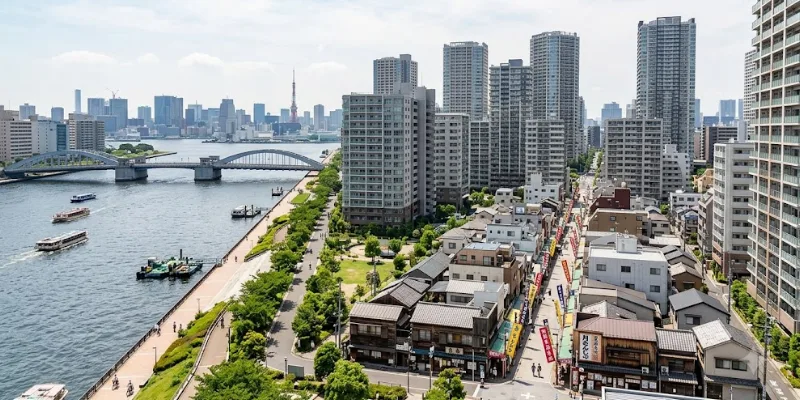

Living in Tsukishima means trading big-city intensity for a quieter, riverside pace. You still stay just one subway stop from Ginza. Tsukishima sits in Chuo Ward, on a reclaimed island in Tokyo Bay. It’s best known for its monjayaki restaurant street, family-friendly waterfront parks, and a growing cluster of high-rise apartments. Average rent for a 1K/1DK apartment runs around ¥110,000–¥140,000 per month. That’s noticeably lower than comparable units in Ginza or Tsukiji next door.
This guide covers everything a renter needs before signing a lease in Tsukishima. We’ll walk through location and transport, cost of living, the best sub-areas, who the neighborhood suits, and the practical steps to renting here as a foreign resident.
Key Facts About Tsukishima
| Ward | Chuo Ward (中央区), Tokyo |
| Nearest stations | Tsukishima, Kachidoki (Toei Oedo Line, Tokyo Metro Yurakucho Line) |
| Commute to Ginza | 1 stop, about 4 minutes |
| Commute to Tokyo Station | Around 15 minutes |
| Average 1K/1DK rent | ¥110,000–¥140,000/month |
| Average 1LDK/2LDK rent | ¥180,000–¥260,000/month |
| Known for | Monjayaki street, Tsukishima Park, waterfront towers |
| Best suited for | Young professionals, couples, families wanting space near central Tokyo |
Where Is Tsukishima and How Do You Get Around?
Tsukishima sits on a man-made island between the Sumida River and Tokyo Bay, within Chuo Ward. It’s directly across the water from Tsukiji and a short bridge crossing from Ginza. Two lines serve Tsukishima Station: the Toei Oedo Line and the Tokyo Metro Yurakucho Line. Both put Ginza, Otemachi, and Toyosu within a 15-minute ride. Kachidoki Station, one stop further along the Oedo Line, covers the southern half of the neighborhood around the Kachidoki Bridge waterfront towers. You can browse all current Chuo ward listings if you’d like to compare Tsukishima against other parts of the ward.
Tsukishima is an island, so it lacks the through-traffic and elevated expressways that run over parts of central Tokyo. That keeps street-level noise lower than in nearby Ginza or Nihonbashi. Cycling is common along the riverside promenades. The flat terrain also makes it an easy neighborhood to get around on foot.
What’s It Like to Live in Tsukishima Day to Day?
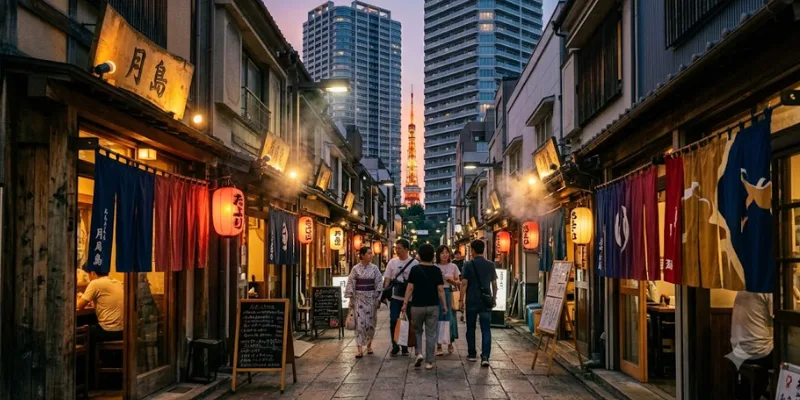
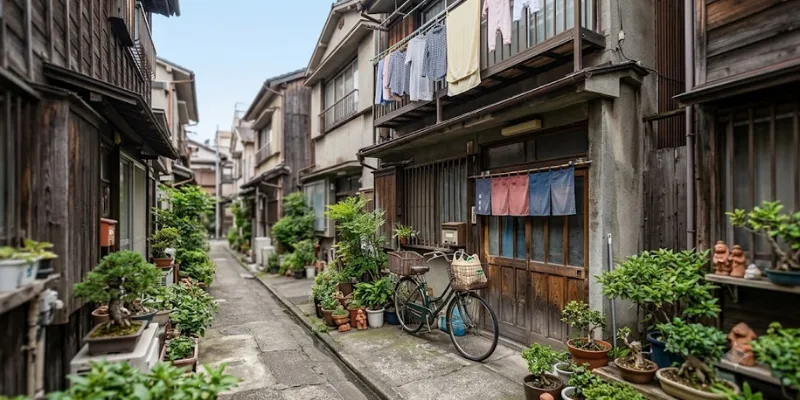
Tsukishima has a distinct split personality. The western half, closer to the station and the Sumida River, retains the low-rise shitamachi (old downtown) character Tokyo is known for. Narrow shopping streets and small family-run shops line the area, along with the famous Monja Street and its dozens of monjayaki restaurants. The eastern and southern parts, particularly around Kachidoki and the Toyosu-facing waterfront, are dominated by modern high-rise residential towers. Many of these buildings, built over the last two decades, offer river or bay views.
This mix means residents get big-city apartment amenities alongside an old-neighborhood pace of life. Newer towers often include elevator security, package lockers, and on-site gyms. At the same time, a weekend fish market sits a short walk away in Tsukiji, riverside jogging paths wind along the water, and community festivals like the Tsukishima Bon Odori fill the summer calendar. Grocery shopping is well covered in both the low-rise and tower areas. Daily errands rarely require leaving the island.
For context on what residents typically budget for rent relative to income, see our guide to average salaries in Japan.
How Much Does It Cost to Rent an Apartment in Tsukishima?
Tsukishima rents fall below the Ginza/Tsukiji premium. They still reflect its central Tokyo Bay location and Oedo Line access.
- 1K/1DK (single occupant): roughly ¥110,000–¥140,000/month
- 1LDK (couples): roughly ¥180,000–¥220,000/month
- 2LDK/3LDK (families): roughly ¥220,000–¥320,000/month, with the higher end concentrated in the newer waterfront towers near Kachidoki
On top of monthly rent, budget for the standard Tokyo move-in costs. Key money (reikin), deposit (shikikin), agency fee, and guarantor company fee typically add up to three to five months of rent upfront. Newer tower apartments often carry higher management and common-area fees than the older low-rise buildings on the western side of the island. It’s worth confirming that figure separately from the advertised rent. For a full breakdown of what to expect across housing types, see our guide to types of rental housing in Japan.
What Are the Best Areas Within Tsukishima?
Near Tsukishima Station and Monja Street suits renters who want walkable subway access and don’t mind an older building stock. Apartments here tend toward smaller floor plans and lower rents. A genuine old-Tokyo shopping street sits right on the doorstep.
The Kachidoki waterfront towers suit renters who prioritize modern amenities, river views, and more square footage. This area has expanded rapidly. It now includes some of the tallest residential buildings in Chuo Ward, plus a large shopping complex at the base of several towers.
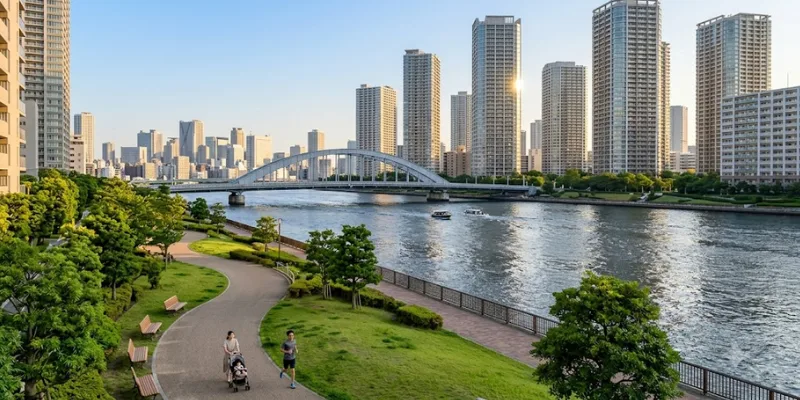
The northern edge near Tsukishima Park and the Sumida River offers a quieter, greener stretch popular with families. It sits close to elementary schools and small playgrounds, while still a short walk from the station.
Is Tsukishima Good for Foreigners and Families?
Tsukishima isn’t one of Tokyo’s traditional “foreigner-friendly” enclaves like Roppongi or Nishi-Azabu. Even so, its central location and reasonable rents relative to Ginza, combined with strong public transport access, make it increasingly popular with foreign professionals working in the Marunouchi or Otemachi business districts. Several of the newer tower developments include English-speaking building management, which can simplify day-to-day communication.
For families, the combination of parks, a manageable population density, and public elementary schools within the ward makes Tsukishima a practical alternative to pricier family neighborhoods like Tsukiji or inner Ginza. Guarantor acceptance varies by landlord, even within the same neighborhood, so renters without a Japanese guarantor should confirm this in advance. Our guide on renting an apartment in Japan without a guarantor covers the process in detail.
What Is There to Do in Tsukishima?
Beyond Monja Street, Tsukishima offers a mix of riverside leisure and easy access to some of Tokyo’s biggest attractions. Sumiyoshi Shrine, the neighborhood’s guardian shrine since the Edo period, hosts a major festival every three years that draws visitors from across the city. Tsukishima Park and the riverside promenade along the Sumida River are popular for jogging, cycling, and evening walks, with views across to the Toyosu waterfront. The Tsukiji Outer Market sits a five-minute walk across the bridge, which makes early-morning seafood breakfasts a realistic weekend habit rather than a special-occasion trip. For larger outings, Ginza’s department stores, Tokyo Big Sight, and the Toyosu fish market all sit within a 20-minute combined walk-and-train radius. That’s part of what makes living in Tsukishima appealing to people who want central-Tokyo convenience without central-Tokyo prices.
Schools and Family Amenities
Chuo Ward operates several public elementary and junior high schools within or near Tsukishima, including Tsukishima Elementary School, which sits close to the station and serves much of the surrounding residential area. Nursery and daycare capacity has expanded alongside the tower developments around Kachidoki. Waiting lists for 0–2 year old placements can still run long during peak enrollment periods, though, so families should start the application process well before their planned move-in date. Tsukishima Park and several smaller neighborhood playgrounds provide accessible outdoor space. The flat, low-traffic layout of the island also makes it easier for children to walk or cycle to school than in many parts of central Tokyo.
How to Rent an Apartment in Tsukishima: A Step-by-Step Overview
- Set a budget range based on the rent figures above, and add roughly three to five months of rent for move-in costs (deposit, key money, agency fee, guarantor fee).
- Decide on a sub-area first: the station/Monja Street side for walkability and lower rent, or the Kachidoki waterfront for newer buildings and larger floor plans.
- Confirm guarantor requirements with the agency early. Acceptance of guarantor companies varies by landlord, even within the same neighborhood.
- Check management fees separately from rent, particularly in newer towers. These can add a meaningful amount to the effective monthly cost.
- View the building, not just the unit, if possible. Tower amenities like gyms, lounges, and package lockers vary widely between developments that otherwise look similar online.
- Sign the lease and complete move-in procedures. This includes registering your new address at the Chuo Ward Office, required for anyone living in Tsukishima under a resident visa.
Tsukishima vs Nearby Neighborhoods
Compared to Ginza and Tsukiji, Tsukishima offers meaningfully lower rent for a similar commute time into central Tokyo. The trade-off is fewer high-end retail and dining options directly on your doorstep. Compared to Toyosu across the water, Tsukishima has more established old-town character and slightly better subway access. Toyosu, in turn, offers larger, newer developments and closer proximity to the Yurikamome waterfront line. Renters comparing long-stay options across Tokyo more broadly may also find our long-term apartment rental guide useful for setting expectations on lease terms.
Safety and Livability
Tsukishima consistently ranks among the safer, quieter residential areas within Chuo Ward. As an island with limited through-traffic, it avoids much of the vehicle noise and congestion found in neighborhoods along major arterial roads. Street lighting along the riverside paths is generally good. The mix of long-term shitamachi residents and newer tower households also gives the area an active, watched-over feel even late in the evening. Convenience stores, 24-hour supermarkets, and pharmacies sit within easy reach from most points on the island, which matters for anyone new to living in Tsukishima and still learning the neighborhood’s layout.
Frequently Asked Questions About Living in Tsukishima
Yes, particularly for renters who want central Tokyo access without Ginza-level rents. It suits professionals commuting to Otemachi or Marunouchi and families wanting more space than typical central wards offer.
Tsukishima Station sits one subway stop from Ginza on the Yurakucho Line, around 4 minutes by train.
Tsukishima is best known for Monja Street, a shopping street with dozens of restaurants specializing in monjayaki, a Tokyo-style savory batter dish similar to okonomiyaki.
Tsukishima is moderately priced for central Tokyo. Rents run lower than Ginza or Tsukiji but higher than many outer wards, reflecting its Oedo Line and Yurakucho Line access.
Some newer tower developments near Kachidoki offer English-speaking management support. This varies by building, though, so confirm with the landlord or agency before signing.
Looking for an apartment in Tsukishima or elsewhere in central Tokyo? Browse current listings on Arealty or explore available rentals across Tokyo at arealty.jp/rent.

Real estate advisor at Arealty Japan, specialising in helping foreign residents navigate the Tokyo and Osaka rental markets. Lucy has guided hundreds of international renters — from Working Holiday visa holders to corporate relocations — through Japan’s apartment application process. Her writing draws on firsthand experience with landlord screening, guarantor companies, and foreigner-friendly listings across all 23 Tokyo wards and major Kansai cities.





Leave a Reply