


Choosing to study in Japan’s capital is an exhilarating decision, but the first logistical hurdle is understanding the average rent in Tokyo for international students. As of 2026, the Tokyo rental market remains remarkably stable and significantly more affordable than other global education hubs like New York, London, or San Francisco. While the city is vast, the diversity of apartments in Japan ensures that every student can find a living arrangement that fits their academic budget and lifestyle preferences.
To navigate this market effectively, one must move beyond the “expensive city” stereotype and look at the actual data. This guide provides a comprehensive, professional breakdown of costs, locations, and the specific mechanics of securing an apartment for rent Japan as a foreign resident.
Defining the Average Rent in Tokyo for International Students
The average rent in Tokyo for international students typically falls between ¥65,000 and ¥115,000 ($430 – $770) per month for a standard studio. This range is influenced by the ward’s proximity to the Yamanote Line (the city’s main loop train), the age of the structure, and the specific layout of the unit. Unlike Western markets where “one-bedroom” is the standard, Japan utilizes specialized terminology that dictates price points.
For international scholars, the most common options for a japan tokyo apartment rent include:
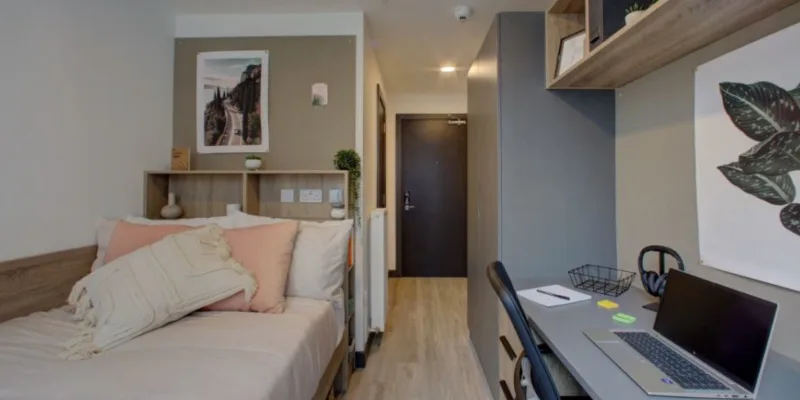
- 1K Apartments: A room with a kitchen separated by a wall, offering privacy and a barrier against cooking odors.
- 1R (One Room) Units: A studio layout where the kitchen is part of the main living area, maximizing space efficiency.
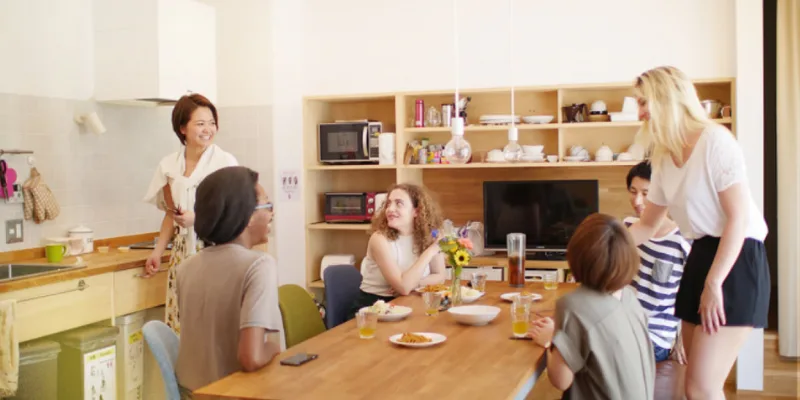
- Social Residences/Share Houses: Private rooms with high-end communal lounges and kitchens, popular for those seeking immediate social circles.
The value proposition of apartments in tokyo japan is high because even the most affordable units adhere to strict safety standards and offer proximity to high-frequency transit.
Detailed Breakdown of Apartment Layouts and Monthly Costs
Understanding the nomenclature of apartments in Japan is crucial for accurate budgeting. Japanese real estate uses a combination of numbers and letters to describe floor plans.
The 1R (One Room) – The Budget Entry
The 1R is the most economical choice for students. These units are typically 15–20 square meters.
- Price Range: ¥55,000 – ¥80,000 ($370 – $530).
- Best For: Students who prioritize location over floor space and spend most of their time on campus.
- Examples: A 1R in Adachi Ward, a 1R near Nerima Station, or a compact unit in Itabashi.
The 1K and 1LDK – The Standard Student Choice
The 1K offers a separate kitchen, while the 1LDK (Living, Dining, Kitchen) provides a separate bedroom. 1LDKs are often shared by student couples.
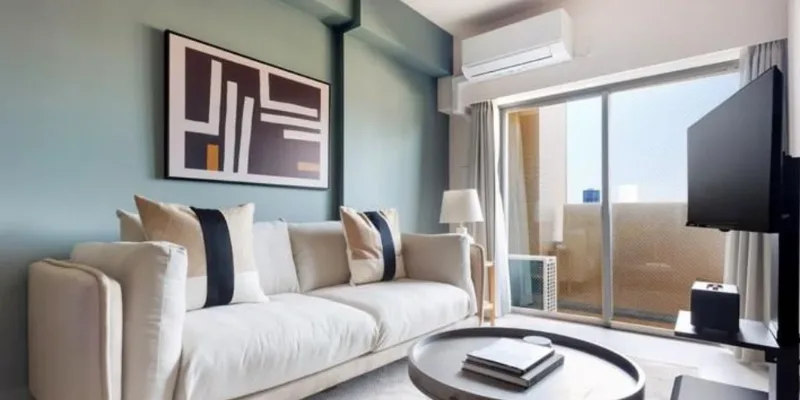
- Price Range (1K): ¥75,000 – ¥95,000 ($500 – $630).
- Price Range (1LDK): ¥120,000 – ¥170,000 ($800 – $1,130).
- Examples: A modern 1K in Nakano, a 1LDK in Setagaya, or a refurbished 1K in Bunkyo.
Share Houses – The All-Inclusive Alternative
For those wary of utility contracts and furniture shopping, share houses are a primary solution.
- Price Range: ¥50,000 – ¥75,000 ($330 – $500).
- Pros: Often include electricity, water, and high-speed internet in the flat monthly fee.
- Examples: A private room in a Shinjuku share house, a dormitory-style room in Suginami, or a luxury social residence in Koto.
Geographic Price Variance: Choosing the Right Ward
Tokyo is divided into 23 Special Wards, each with its own “market price.” The average rent in Tokyo for international students decreases as one moves away from the geographical center (Chiyoda/Minato).
The High-Demand Central Core
These areas are home to major corporate offices and luxury shopping, leading to the highest rents in the country.
- Minato Ward: Expect to pay ¥120,000+ for a basic studio.
- Shibuya Ward: High demand from young professionals keeps prices around ¥110,000.
- Chiyoda Ward: The political center, where even small units average ¥115,000.
The “University Belt” Wards
Many major institutions like Waseda, Keio, and Meiji University are located in or near these wards, which offer a vibrant student atmosphere.
- Shinjuku Ward: A massive hub with a wide range of prices, averaging ¥90,000 – ¥100,000.
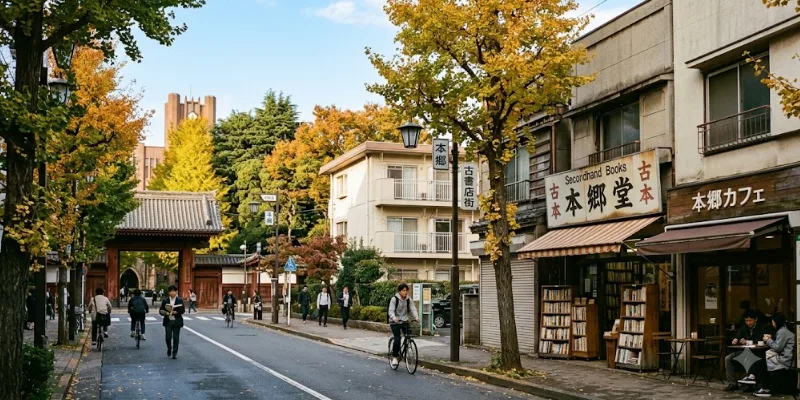
- Bunkyo Ward: Known as the “Educational District,” offering quiet environments for roughly ¥85,000.
- Toshima Ward (Ikebukuro): A major transport hub with 1K units averaging ¥88,000.
The Affordability Frontier
If a 30-40 minute commute is acceptable, these wards offer the best apartment for rent Japan has for those on a strict budget.
- Edogawa Ward: Located in the east, providing spacious 1K units for ¥65,000.
- Katsushika Ward: A nostalgic, “old Tokyo” feel with rents as low as ¥60,000.
- Arakawa Ward: Excellent access to the Yamanote line but with lower price tags, averaging ¥70,000.
Why Tokyo Rent is Competitive Globally
When analyzing the average rent in Tokyo for international students, it is helpful to compare it against other global cities. Tokyo’s market is unique because it has avoided the hyper-inflation seen in the United States.
| City | Average Monthly Rent for Studio (USD) | Relative Affordability |
| New York City | $3,800 | Extremely High |
| San Francisco | $3,200 | Very High |
| London | $2,800 | High |
| Tokyo | $700 | Moderate |
This discrepancy exists because Tokyo maintains a steady supply of housing through flexible zoning laws. While U.S. cities often struggle with housing shortages, Tokyo’s “scrap and build” culture ensures that new apartments in tokyo japan are constantly entering the market, keeping prices stable for the 2026 academic year.
Identifying the Hidden Costs of Renting in Japan
The monthly japan tokyo apartment rent is only one part of the financial commitment. International students must be prepared for the “Initial Cost” (Shiki-Hiyo), which can be 3–5 times the monthly rent.
- Shikikin (Security Deposit): Used for repairs when you move out. Usually 1 month’s rent.
- Reikin (Key Money): A traditional non-refundable gratitude payment to the landlord. Usually 1 month’s rent.
- Guarantor Fee: Since most students don’t have a Japanese relative, they must pay a company to act as their financial backer. Usually 50%–100% of rent.
- Agency Fee: The commission paid to the real estate agent for finding the unit. Standard is 1 month’s rent plus tax.
- Fire Insurance & Lock Exchange: Essential safety fees, usually totaling ¥30,000 – ¥50,000.
To minimize these, students should specifically look for “Zero-Zero” properties (Zero Deposit, Zero Key Money), which are becoming increasingly common in apartments in tokyo japan.
ARealty: Your Trusted Partner for Student Housing
Finding a landlord who accepts international applications can be challenging without professional assistance. ARealty is a premier real estate agency dedicated to bridging the gap between international students and Japanese property owners. We understand that the average rent in Tokyo for international students needs to be balanced with quality and safety.
ARealty provides a specialized service suite designed to remove the friction from your move:
- Foreigner-Friendly Listings: We maintain a database of apartments in Japan where landlords are welcoming to international residents and understand student visas.
- Virtual Viewings: If you are still in your home country, our agents provide high-definition video tours and live walk-throughs so you can secure a home before landing.
- Contract Transparency: We translate complex Japanese lease terms into clear English, ensuring you understand your rights and responsibilities.
Our expertise allows us to find high-value apartments in tokyo japan that are often not listed on mainstream Japanese-only websites. Don’t let the complexity of Japanese real estate hold you back. Contact ARealty today to receive a curated list of apartments that fit your budget and university location!
Quality of Life: What Does Your Rent Buy You?
Living in an apartment for rent Japan provides offers a standard of living that is often higher than comparable prices in other countries. Even a budget apartment in Tokyo usually includes:
- Advanced Safety: Buildings are constructed to withstand significant seismic activity, providing peace of mind in an earthquake-prone region.
- Technological Integration: High-tech toilets (washlets), video intercom systems, and efficient climate control units are standard.
- Unrivaled Convenience: Most apartments in tokyo japan are within a 5-minute walk of a “Konbini” (convenience store) like 7-Eleven, Lawson, or FamilyMart.
For a student, this means less time worrying about maintenance and more time focusing on studies and cultural immersion.
Factors That Can Lower Your Monthly Rent
If the average rent in Tokyo for international students feels slightly out of reach, there are several “levers” you can pull to reduce the price.
Distance from the Station
In Tokyo, the “Minutes Walk to Station” metric is the primary price driver.
- 5 Minutes Walk: Highest price.
- 10 Minutes Walk: Moderate price.
- 15+ Minutes Walk: Significant discount, often saving ¥10,000 per month.
Building Material and Age
- Mokuzou (Wooden): These are the cheapest apartments in Japan. While they have less soundproofing, they are very affordable.
- Older Buildings: A building built in the 1990s will be much cheaper than one built in 2020, even if the interior has been fully renovated with modern appliances.
Layout Quirks
Units on the first floor, or units facing north (less sunlight), are often discounted. For a student who spends most of the day at the library, these factors are minor inconveniences that lead to major savings on a japan tokyo apartment rent.
Essential Utilities and Maintenance for Students
When calculating the total cost of apartments in tokyo japan, you must include the “Running Costs.” For a single student, these usually total ¥20,000 – ¥30,000 per month.
- Electricity: Costs fluctuate by season. Using the air conditioner in the humid August summer or the cold January winter will increase bills.
- Gas: Used for heating water and sometimes for the stovetop.
- Water: Usually the cheapest utility, billed every two months in many wards.
- Management Fee (Kanri-hi): A monthly fee for cleaning common areas and trash removal, usually ¥3,000 – ¥10,000.
It is important to note that most apartments in Japan are rented unfurnished. Students should budget for a “Start-up Set” (fridge, washing machine, microwave), which can be purchased second-hand for approximately ¥40,000.
The Seasonal Impact on Apartment Availability
The average rent in Tokyo for international students can actually change depending on when you look for a home.
- Peak Season (January – March): This is the busiest time as Japanese students and new employees move for the April 1st start date. Availability is high, but prices are firm, and units disappear within hours.
- Off-Peak Season (May – August): Moving during the hot summer months can be advantageous. Landlords are often more willing to negotiate on rent or waive the Reikin (Key Money) to fill vacant units.
- Second Peak (September – October): Many international programs start in the fall, causing a smaller surge in demand for apartments in tokyo japan.
Cultural Nuances of Renting in Tokyo
Renting an apartment for rent Japan provides involves certain cultural expectations that differ from the West.
- Noise Control: Japanese apartments are often close together. Maintaining a quiet environment, especially after 9:00 PM, is essential for a good relationship with neighbors.
- Trash Disposal: Tokyo has strict recycling rules. Each ward has specific days for “Burnable,” “Non-burnable,” and “Recyclables.”
- Greetings: While not mandatory, a polite “Kon nichiwa” to your neighbors or the building manager (Kanri-nin) goes a long way in fostering a positive living experience.
Conclusion
The average rent in Tokyo for international students reflects a city that is remarkably accessible despite its “megacity” status. By understanding the different ward characteristics—from the bustling streets of Shinjuku to the quiet corners of Edogawa—and being aware of the upfront costs, you can secure a high-quality living space that enhances your study abroad experience.
The key to success is early preparation and the right partnership. Utilizing professional services like ARealty ensures that you bypass the common pitfalls of the Japanese rental market, such as language barriers or discriminatory “no-foreigner” policies.
With its world-class transportation, safe streets, and diverse housing options, Tokyo is waiting to welcome you. Whether you choose a modern 1K or a social share house, your journey in Japan begins with the perfect home.

Real estate advisor at Arealty Japan, specialising in helping foreign residents navigate the Tokyo and Osaka rental markets. Lucy has guided hundreds of international renters — from Working Holiday visa holders to corporate relocations — through Japan’s apartment application process. Her writing draws on firsthand experience with landlord screening, guarantor companies, and foreigner-friendly listings across all 23 Tokyo wards and major Kansai cities.




Leave a Reply