
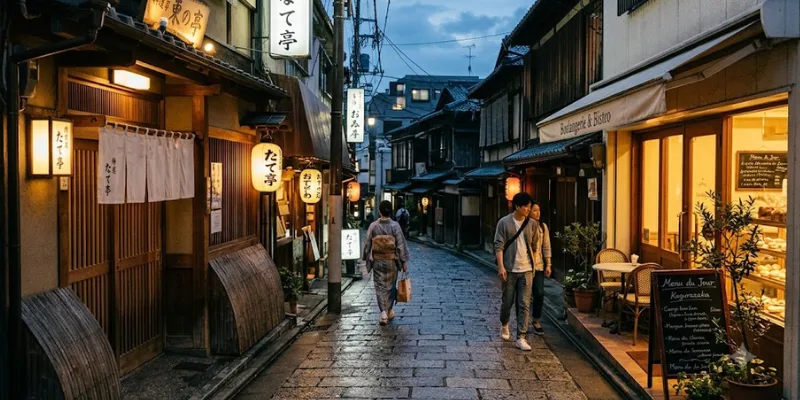

Living in Kagurazaka means renting in one of Tokyo’s most distinctive neighborhoods. People who choose living in Kagurazaka often cite the same reason: it feels like nowhere else in the city. Cobblestone alleys and an old geisha district sit alongside a large French expat community. All of it sits just minutes from Shinjuku’s skyscrapers. Kagurazaka sits in Shinjuku Ward, between Iidabashi and Edogawabashi. Locals often call it Tokyo’s “French Quarter,” thanks to a French school, cultural institute, and a cluster of French bakeries and bistros. Average rent for a 1K/1DK apartment runs around ¥120,000–¥150,000 per month. That’s a relative bargain given its central location and walkable access to three train lines.
This guide covers everything a renter needs before signing a lease in Kagurazaka. We’ll walk through location and transport, cost of living, the best sub-areas, and who the neighborhood suits. We’ll also cover the practical steps to renting here as a foreign resident.
Key Facts About Kagurazaka
| Ward | Shinjuku Ward (新宿区), Tokyo |
| Nearest stations | Kagurazaka (Tozai Line), Iidabashi (JR Chuo-Sobu, Tozai, Yurakucho, Namboku, Oedo lines) |
| Commute to Shinjuku | About 10 minutes |
| Commute to Tokyo Station | Around 15 minutes |
| Average 1K/1DK rent | ¥120,000–¥150,000/month |
| Average 1LDK/2LDK rent | ¥190,000–¥280,000/month |
| Known for | French Quarter, old geisha alleys, Kagurazaka-dori shopping street |
| Best suited for | Professionals, French and international residents, anyone wanting old-Tokyo character near a major transit hub |
Where Is Kagurazaka and How Do You Get Around?
Kagurazaka sits in the eastern part of Shinjuku Ward, along a gentle slope leading up from Iidabashi. Iidabashi Station anchors the neighborhood’s southern edge. It’s one of Tokyo’s better-connected hubs, serving the JR Chuo-Sobu Line plus the Tozai, Yurakucho, Namboku, and Toei Oedo subway lines. Kagurazaka Station sits one stop further along the Tozai Line, closer to the neighborhood’s quieter upper streets.
This transit access puts Shinjuku, Tokyo Station, Otemachi, and Ginza within a direct, transfer-free ride for most residents. Despite the connectivity, Kagurazaka’s back streets stay narrow and quiet. Many are too tight for regular car traffic. You can browse all current Shinjuku ward listings if you’d like to compare Kagurazaka against other parts of the ward.
What’s It Like to Live in Kagurazaka Day to Day?
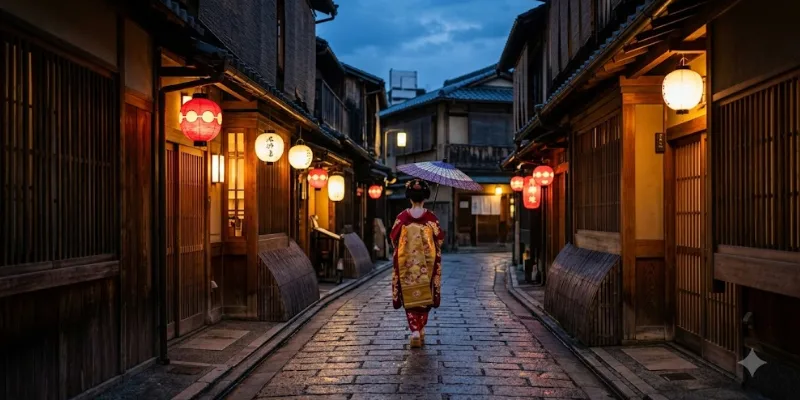
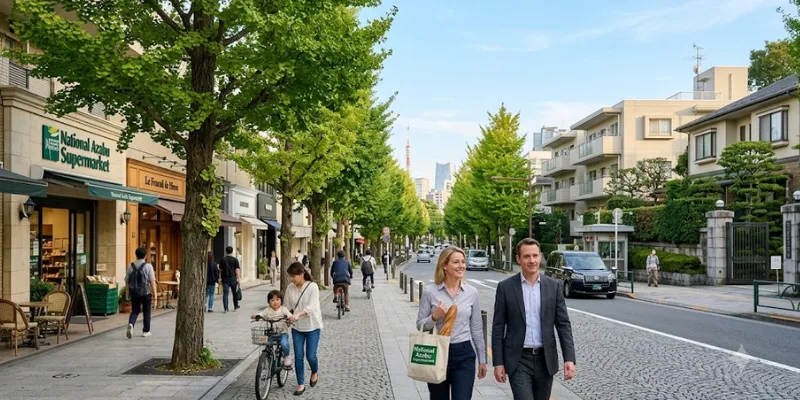
Kagurazaka carries a layered identity, shaped by centuries of change on a small stretch of sloped land. The main shopping street, Kagurazaka-dori, runs uphill from Iidabashi with a mix of everyday shops, cafes, and restaurants. Just off this main road, a network of narrow alleys preserves an older Tokyo. Hyogo Yokocho, the best known of these lanes, keeps the look and feel of the neighborhood’s Edo-era geisha district, complete with traditional ryotei restaurants and stone-paved paths.
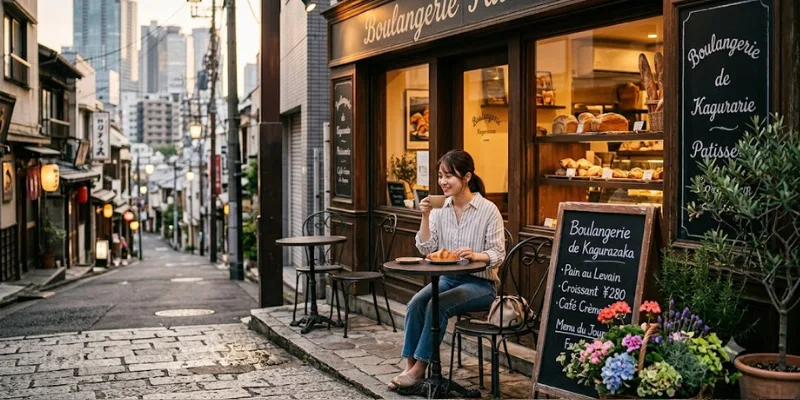
Since the 1990s, a growing French community has added another layer. The Institut français and the Lycée français international de Tokyo both sit in or near Kagurazaka. Both draw French families and professionals to the area. French bakeries, wine bars, and bistros now sit alongside the traditional Japanese restaurants. Together they give the neighborhood a genuinely bicultural feel that’s uncommon elsewhere in Tokyo. Daily errands are easy to manage on foot. Supermarkets, pharmacies, and convenience stores spread through both the upper and lower parts of the neighborhood.
For context on what residents typically budget for rent relative to income, see our guide to average salaries in Japan.
How Much Does It Cost to Rent an Apartment in Kagurazaka?
Kagurazaka prices sit below premium neighborhoods like Hiroo or central Azabu. They still reflect its strong transit access and central location.
- 1K/1DK (single occupant): roughly ¥120,000–¥150,000/month
- 1LDK (couples): roughly ¥190,000–¥230,000/month
- 2LDK/3LDK (families): roughly ¥250,000–¥350,000/month, with the higher end concentrated in newer buildings near Iidabashi Station
On top of monthly rent, budget for the standard Tokyo move-in costs. Key money (reikin), deposit (shikikin), agency fee, and guarantor company fee typically add up to three to five months of rent upfront. Many of Kagurazaka’s older buildings sit tucked into the narrow backstreets. These can have smaller floor plans than their listed square footage might suggest, so it’s worth confirming layouts carefully before committing. For a full breakdown of what to expect across housing types, see our guide to types of rental housing in Japan.
What Are the Best Areas Within Kagurazaka?
Near Iidabashi Station suits renters who want maximum transit flexibility, since five train lines converge here. This area also has the newest apartment stock in the neighborhood, including several larger residential buildings.
Along and above Kagurazaka-dori suits renters who want to be close to shops, restaurants, and the neighborhood’s main foot traffic. Buildings here skew older, with smaller units mixed among long-running local businesses.
The quiet backstreets near Akagi Shrine and the upper slope offer the most residential, low-traffic stretch of the neighborhood. This area suits renters who prioritize quiet over walkability to the station.
Is Kagurazaka Good for Foreigners and Families?
Kagurazaka is best known among Tokyo’s foreign residents for its French community. Its appeal extends well beyond that, though. The mix of walkability, strong transit, and old-Tokyo character makes it popular with a broad range of international professionals, not only French nationals. Several restaurants and shops near Iidabashi and along Kagurazaka-dori operate comfortably in English or French alongside Japanese.
For families, the Lycée français international de Tokyo is the single biggest draw, with families sometimes choosing an apartment specifically for its walking distance to campus. Standard Shinjuku Ward public schools also serve the area. Guarantor acceptance varies by landlord, even within the same neighborhood, so renters without a Japanese guarantor should confirm this in advance. Our guide on renting an apartment in Japan without a guarantor covers the process in detail.
What Is There to Do in Kagurazaka?
Beyond its restaurant alleys, Kagurazaka hosts the Kagurazaka Matsuri each summer. The festival draws crowds to Kagurazaka-dori for street performances and food stalls, along with a smaller Awa Odori dance procession held on the same weekend. Akagi Shrine sits at the top of the slope, recently rebuilt with a modern design by architect Kengo Kuma. It doubles as a small event space and community hall. Zenkoku-ji Temple and several smaller shrines dot the surrounding backstreets, adding quiet pockets of green among the dense low-rise housing. For larger outings, Tokyo Dome City sits a short walk from Iidabashi Station, with an amusement park, concert venue, and shopping complex all in one spot. The Imperial Palace’s northern moat is an easy stroll away too, offering green space that’s otherwise scarce in this part of central Tokyo.
Schools and Family Amenities
Shinjuku Ward operates public elementary and junior high schools serving the Kagurazaka area. The neighborhood is also home to the Lycée français international de Tokyo, one of the largest French international schools in Asia. This concentration of French educational institutions is a major reason French families choose Kagurazaka specifically over other Tokyo neighborhoods. Nursery and daycare capacity in Shinjuku Ward varies by district. Families should confirm availability near their target building before signing a lease, since some of Kagurazaka’s most popular streets fall within tightly bordered school and nursery catchment zones. The neighborhood’s quiet backstreets and low car traffic make it comparatively easy for children to walk to nearby schools and parks.
How to Rent an Apartment in Kagurazaka: A Step-by-Step Overview
- Set a budget range based on the rent figures above. Add roughly three to five months of rent for move-in costs.
- Decide on a sub-area first: near Iidabashi for transit flexibility, or the upper slope near Kagurazaka-dori for character and walkability.
- Confirm guarantor requirements with the agency early. Acceptance varies by landlord, even within the same neighborhood.
- Check the actual floor plan, not just the listed square footage. Older buildings in the backstreets can have unusual layouts.
- Ask about noise from nearby restaurant streets if you’re considering a unit close to Kagurazaka-dori. Some buildings sit directly above active dining strips.
- Sign the lease and complete move-in procedures. This includes registering your new address at the Shinjuku Ward Office.
Kagurazaka vs Nearby Neighborhoods
Compared to Shinjuku proper, Kagurazaka offers a quieter, more residential alternative with far less commercial density. It still stays within a 10-minute train ride of Shinjuku Station. Compared to Iidabashi’s immediate station-front area, Kagurazaka’s upper streets feel noticeably more residential and historic, despite sharing the same station. Renters comparing long-stay options across Tokyo more broadly may also find our long-term apartment rental guide useful for setting expectations on lease terms.
Safety and Livability
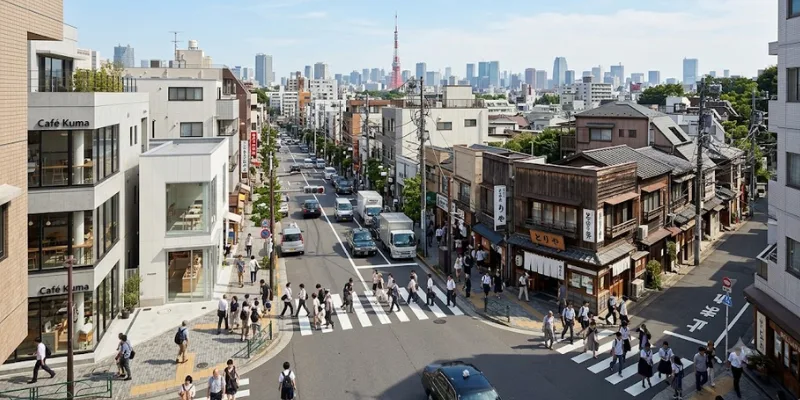
Kagurazaka consistently ranks among the quieter, more established residential areas within Shinjuku Ward. The narrow, largely car-free backstreets keep traffic-related noise low, even close to the busier Kagurazaka-dori shopping street. Street lighting along the main routes is generally good, and it extends well into the smaller alleys favored by residents walking home in the evening. The neighborhood’s long-term resident mix, including many families and older Tokyo natives, gives it a settled feel after dark. Convenience stores, pharmacies, and supermarkets sit within easy reach of most points in the neighborhood. This matters for anyone new to living in Kagurazaka and still learning its maze of backstreets.
Frequently Asked Questions About Living in Kagurazaka
Yes, particularly for renters who want strong transit access, old-Tokyo character, and a quieter pace than central Shinjuku.
Iidabashi Station, at the edge of Kagurazaka, sits about 10 minutes from Shinjuku Station by train.
The Institut français, the Lycée français international de Tokyo, and a cluster of French bakeries and bistros have earned Kagurazaka this nickname since the 1990s.
Kagurazaka is moderately priced for central Tokyo. Rents run below premium areas like Hiroo or Azabu while still reflecting strong multi-line transit access.
Yes, particularly for families connected to the Lycée français international de Tokyo. The neighborhood’s quiet backstreets also make it manageable for families using standard local schools.
Looking for an apartment in Kagurazaka or elsewhere in Shinjuku Ward? Browse current listings on Arealty or explore available rentals across Tokyo at arealty.jp/rent.

Real estate advisor at Arealty Japan, specialising in helping foreign residents navigate the Tokyo and Osaka rental markets. Lucy has guided hundreds of international renters — from Working Holiday visa holders to corporate relocations — through Japan’s apartment application process. Her writing draws on firsthand experience with landlord screening, guarantor companies, and foreigner-friendly listings across all 23 Tokyo wards and major Kansai cities.




Leave a Reply