
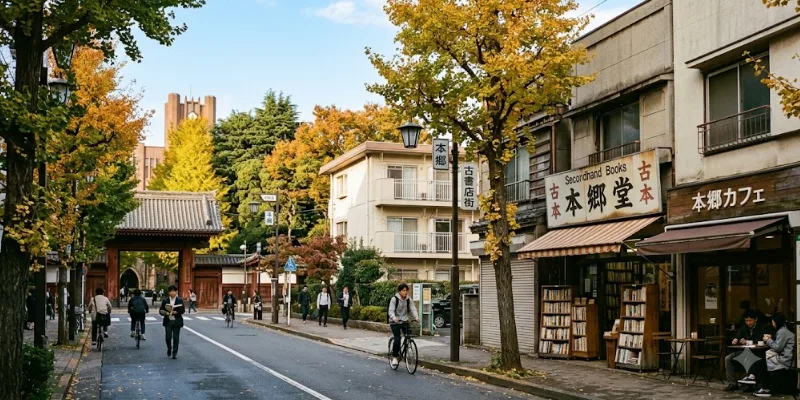

Living in Hongo means renting in Tokyo’s classic academic neighborhood. The University of Tokyo’s main campus anchors the area. A quiet, book-lined atmosphere spreads through the surrounding streets. Hongo sits in Bunkyo Ward, between Ueno and Korakuen. It has been one of Tokyo’s centers of learning since the Meiji era. Average rent for a 1K/1DK apartment runs around ¥95,000–¥125,000 per month. That’s noticeably lower than similarly central neighborhoods, thanks to a large student population that keeps small-unit supply steady.
This guide covers everything a renter needs before signing a lease in Hongo. We’ll walk through location and transport, cost of living, the best sub-areas, and who the neighborhood suits. We’ll also cover the practical steps to renting here as a foreign resident.
Key Facts About Hongo
| Category | Details |
|---|---|
| Ward | Bunkyo Ward (文京区), Tokyo |
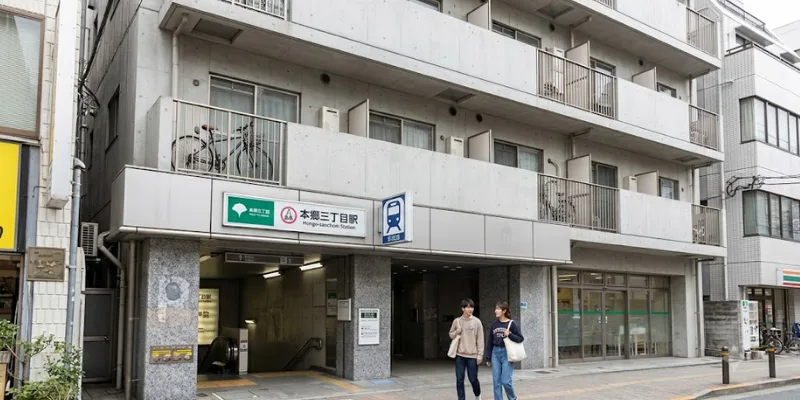
| Nearest stations | Hongo-sanchome (Marunouchi, Oedo lines), Todaimae (Namboku Line), Kasuga (Mita, Oedo lines) |
| Commute to Akihabara | About 10 minutes |
| Commute to Tokyo Station | Around 15 minutes |
| Average 1K/1DK rent | ¥95,000–¥125,000/month |
| Average 1LDK/2LDK rent | ¥160,000–¥230,000/month |
| Known for | University of Tokyo, secondhand bookstores, quiet residential streets |
| Best suited for | Students, academics, researchers, and anyone wanting a quieter, book-loving pocket of central Tokyo |
| Not ideal for | Renters wanting nightlife, late-night dining, or a high-energy commercial strip right outside their door |
Where Is Hongo and How Do You Get Around?
Hongo sits on a plateau in the southern part of Bunkyo Ward. Ueno borders it to the east, Korakuen to the south. Three stations serve the area well. Hongo-sanchome sits on both the Tokyo Metro Marunouchi Line and the Toei Oedo Line. That puts Shinjuku and Otemachi within a direct ride. Todaimae, on the Namboku Line, sits right at the university’s main gate. Kasuga, on the Mita and Oedo lines, covers the neighborhood’s southwestern edge near Tokyo Dome.
Hongo’s elevated position keeps it drier and slightly cooler than the low-lying areas around Ueno. The streets stay walkable and largely flat once you’re up on the plateau itself. You can browse all current Bunkyo ward listings if you’d like to compare Hongo against other parts of the ward, such as Yayoi and Nezu.
What’s It Like to Live in Hongo Day to Day?
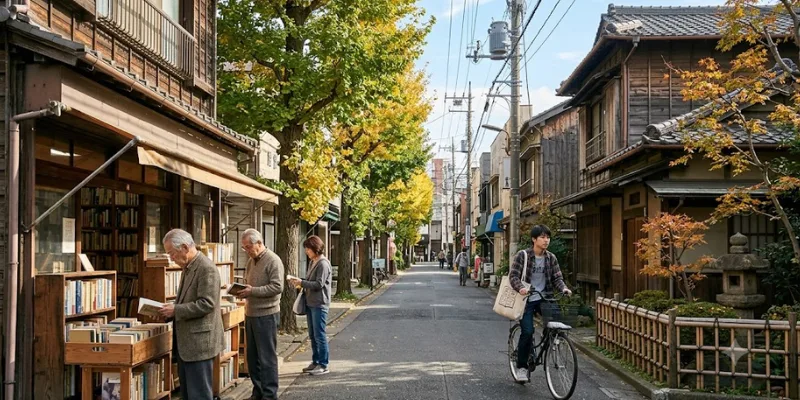
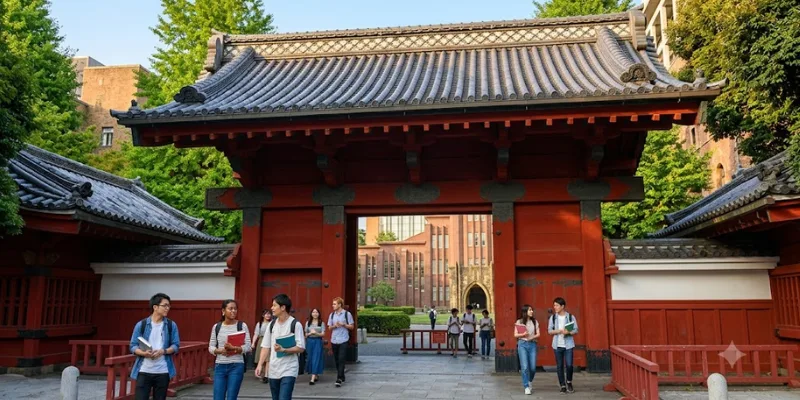
Hongo’s identity centers on the University of Tokyo, a school whose name still carries significant prestige across Japan and much of Asia. Its Hongo campus occupies a large green stretch at the heart of the neighborhood. The Akamon (Red Gate) and the Yasuda Auditorium give the area a landmark presence. The campus grounds double as a quiet public park most days. Around the university, Hongo-dori is lined with secondhand bookstores, cafes, and small izakayas. Generations of students and faculty have kept these shops in business for decades.
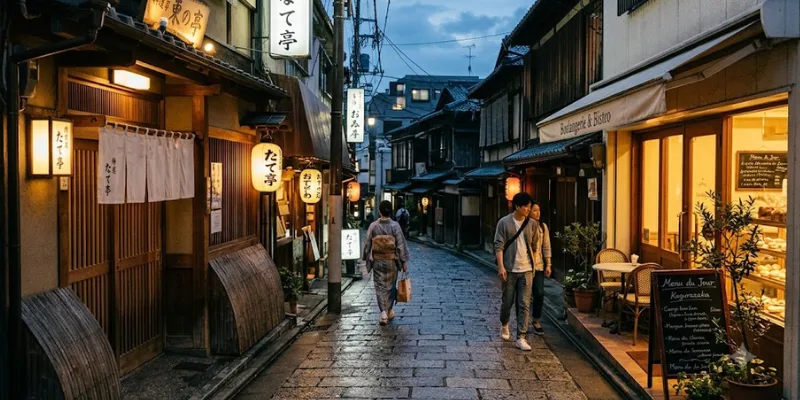
The pace here is calmer than most central Tokyo neighborhoods, a quality longtime residents often mention first when describing what daily life is like. Low-rise apartment buildings, narrow lanes, and a steady mix of long-term residents and rotating student tenants define the area. Just west of Hongo, the Yanesen district spans Yanaka, Nezu, and Sendagi. It adds a retro, low-rise shitamachi feel within easy walking distance. Daily errands are simple to manage, with supermarkets and pharmacies spread through the neighborhood’s main streets.
For context on what residents typically budget for rent relative to income, see our guide to average salaries in Japan.
How Much Does It Cost to Rent an Apartment in Hongo?
Hongo offers some of the more affordable rents among central Tokyo neighborhoods with strong transit access. A large student and academic population keeps demand for compact units high and steady. This has historically kept prices from spiking the way they have in nearby Ueno or Korakuen.
- 1K/1DK (single occupant): roughly ¥95,000–¥125,000/month
- 1LDK (couples): roughly ¥160,000–¥190,000/month
- 2LDK/3LDK (families): roughly ¥200,000–¥280,000/month, with larger units concentrated in the quieter residential streets away from the university itself
On top of monthly rent, budget for the standard Tokyo move-in costs. Key money (reikin), deposit (shikikin), agency fee, and guarantor company fee typically add up to three to five months of rent upfront. Some of Hongo’s older buildings were originally built with student tenants in mind. Unit sizes can run smaller than the Tokyo average as a result. For a full breakdown of what to expect across housing types, see our guide to types of rental housing in Japan.
What Are the Best Areas Within Hongo?
Around Hongo-sanchome and Hongo-dori suits renters who want maximum convenience. Two train lines and the neighborhood’s main shopping street both sit close at hand. This area mixes older low-rise buildings with a handful of newer developments, and it tends to be the first choice for renters relocating from further outside central Tokyo.
Near Todaimae and the university campus suits students and academics who want to minimize their commute. Apartments here trend smaller, reflecting decades of demand from university-affiliated tenants.
The quieter streets toward Yayoi and Nezu offer a more residential, tree-lined alternative. Cafes and the old-Tokyo streetscape of the Yanesen district sit close by, while the area still stays within a short walk of Hongo’s main stations.
Is Hongo Good for Foreigners and Families?
Hongo attracts a steady population of international students and visiting researchers, many of whom choose to stay living in Hongo well beyond their original program length. The University of Tokyo’s global academic ties drive much of this. The result is a quietly international character, even without the embassy presence found in areas like Hiroo or Azabu. Many long-term local businesses near the campus are used to serving a mixed Japanese and international clientele.
For families, Hongo’s low-traffic streets, its proximity to Bunkyo Ward’s well-regarded public schools, and easy access to Ueno Park all add up to a practical, comparatively affordable choice. Many local families have stayed in the neighborhood across multiple generations, drawn by the same combination of quiet streets and strong schools. Guarantor acceptance varies by landlord, even within the same neighborhood. Renters without a Japanese guarantor should confirm this in advance. Our guide on renting an apartment in Japan without a guarantor covers the process in detail.
What Is There to Do in Hongo?
Beyond the University of Tokyo’s campus, Hongo sits within easy reach of some of Tokyo’s best-known cultural spots. Ueno Park, with its museums, zoo, and seasonal cherry blossoms, is a short walk or single train stop away. The Yanesen district’s temple-lined backstreets offer a genuine slice of old Tokyo. Small pottery shops, cat cafes, and traditional sweet shops fill its narrow lanes, and many have operated under the same family ownership for generations. Koishikawa Korakuen, one of Tokyo’s oldest surviving Japanese gardens, sits just south of Hongo near Korakuen Station. For sports and concerts, Tokyo Dome and its surrounding entertainment complex are also a short ride away, along with a smaller amusement park that draws local families on weekends.
Schools and Family Amenities
Bunkyo Ward consistently ranks among Tokyo’s most education-focused wards, a reputation that shapes everything from local shop selections to the tone of neighborhood events. Hongo sits at the center of that reputation. The ward operates well-regarded public elementary and junior high schools. Its long association with academia has also shaped a local culture that values education highly. Nursery and daycare capacity in Bunkyo Ward is competitive. Families should confirm availability near their target building well before their planned move-in date. The neighborhood’s quiet, low-traffic streets and nearby parks make it a comfortable environment for raising children close to central Tokyo.
How to Rent an Apartment in Hongo: A Step-by-Step Overview
- Set a budget range based on the rent figures above. Add roughly three to five months of rent for move-in costs.
- Decide on a sub-area first: near Hongo-sanchome for convenience, or toward Yayoi and Nezu for a quieter, more residential feel.
- Confirm guarantor requirements with the agency early. Acceptance varies by landlord, even within the same neighborhood.
- Check the unit size carefully. Some of Hongo’s older buildings were designed with compact student housing in mind.
- Ask about proximity to the university if commute time matters. Walking times can vary meaningfully across the neighborhood.
- Sign the lease and complete move-in procedures. This includes registering your new address at the Bunkyo Ward Office.
Arealty lists more than 100,000 rental properties across Tokyo, including current openings in Hongo and the rest of Bunkyo Ward, so you can compare real listings against the figures in this guide rather than relying on averages alone.
Hongo vs Nearby Neighborhoods
Compared to Ueno, Hongo offers a quieter, more residential alternative with lower rents. It still stays within a short train ride of Ueno’s shopping and museums. Compared to Korakuen, Hongo trades some entertainment-district energy for a calmer, more academic atmosphere. Renters comparing long-stay options across Tokyo more broadly may also find our long-term apartment rental guide useful for setting expectations on lease terms.
Safety and Livability
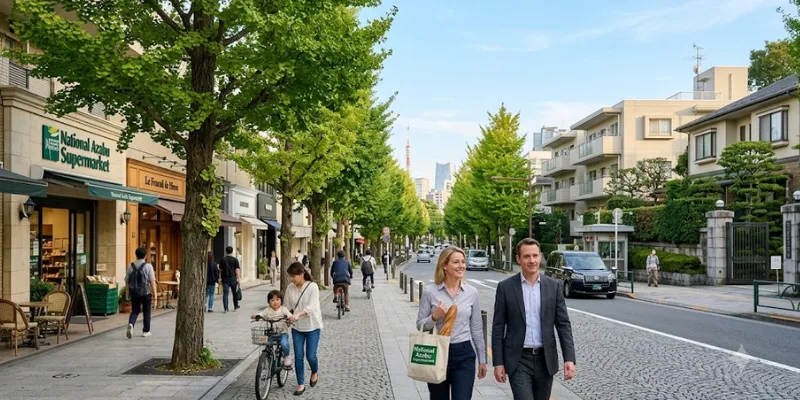
Hongo consistently ranks among the safer, quieter residential areas within Bunkyo Ward. The neighborhood’s academic character and steady population of long-term residents give it a settled feel, even late at night near the university. Street lighting is generally good along the main routes leading to each station. Convenience stores, pharmacies, and supermarkets sit within easy reach of most points in the neighborhood. That matters for anyone new to living in Hongo and still learning the area’s layout.
Frequently Asked Questions About Living in Hongo
Yes, particularly for renters who want a quieter, academic atmosphere. It also offers strong transit access and lower rents than most central Tokyo neighborhoods.
Hongo-sanchome Station sits about one train stop, or a 15-20 minute walk, from Ueno Station.
Hongo is best known as the home of the University of Tokyo’s main campus. Its cluster of secondhand bookstores and cafes along Hongo-dori adds to the reputation.
Hongo is relatively affordable for central Tokyo. A large student and academic population keeps demand for compact apartments steady, which has helped keep rents below nearby Ueno and Korakuen.
Yes. The University of Tokyo’s global academic ties bring a steady population of international students and visiting researchers to the neighborhood. This gives Hongo a quietly international character year-round.
The lowest rents typically sit in older, smaller 1K units near Todaimae and the university’s western edge, since these buildings were originally built for student tenants and haven’t been extensively renovated.
Yes. Akihabara sits about 10 minutes away by train or a manageable walk for residents near Hongo-sanchome, making it easy to combine an electronics or anime shopping trip with daily errands.
Yes, relative to most central Tokyo neighborhoods. The University of Tokyo’s campus functions as an open green space for the public, and Ueno Park and Koishikawa Korakuen both sit within easy reach.
Looking for an apartment in Hongo or elsewhere in Bunkyo Ward? Browse current listings on Arealty or explore available rentals across Tokyo at arealty.jp/rent.

Real estate advisor at Arealty Japan, specialising in helping foreign residents navigate the Tokyo and Osaka rental markets. Lucy has guided hundreds of international renters — from Working Holiday visa holders to corporate relocations — through Japan’s apartment application process. Her writing draws on firsthand experience with landlord screening, guarantor companies, and foreigner-friendly listings across all 23 Tokyo wards and major Kansai cities.




Leave a Reply