
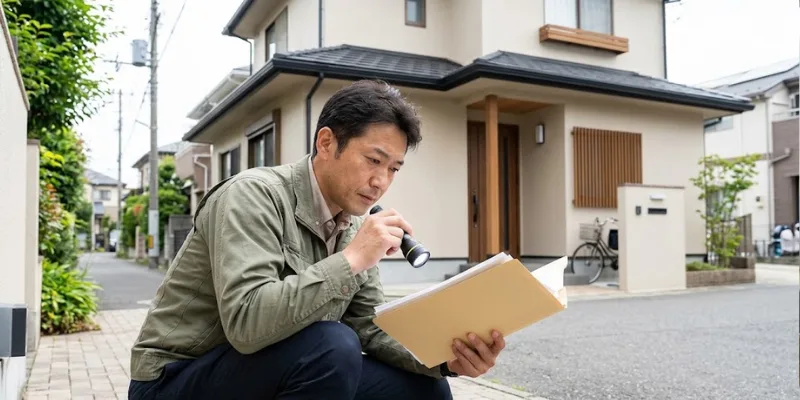

Quick answer: For condos (mansion), request the building’s long-term repair plan and large-scale repair records from the management association. These show exactly what’s been done and what’s coming. For detached houses, ask the seller’s agent for the property status disclosure statement (告知書) and any existing home inspection report (既存住宅状況調査). Then check with the municipal building department for permit records on major structural work. Combining these sources gives a far more complete picture than the listing description alone.
A fresh coat of paint can hide a lot. Before you buy a home in Japan, it’s worth knowing what’s actually been repaired, when, and how well. This guide covers how to check a property’s renovation history before buying in Japan. The paperwork trail looks quite different for condos and detached houses, so we’ll cover both separately.
Why Renovation History Matters More Than It Looks
A renovated kitchen or fresh flooring can make an older property look move-in ready. That’s not necessarily a problem on its own. The real issue is when cosmetic renovation covers up something structural that was never properly addressed — water damage, an aging roof, or termite issues patched over rather than fixed.
Checking a property’s renovation history before buying in Japan isn’t about assuming bad faith from every seller. Most disclosures are accurate. It’s about confirming the visible work matches the building’s actual condition, and catching the rare case where it doesn’t.
For Condos: Check the Management Association’s Records
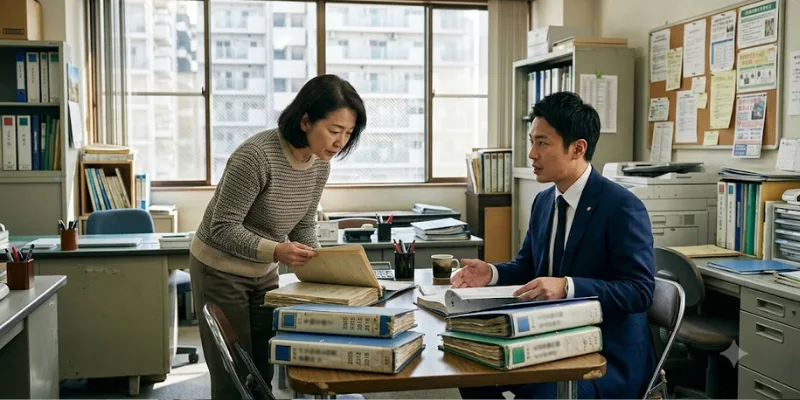
Japanese condominiums (mansion) are maintained collectively. Renovation history for shared structural elements is usually well documented, even when the current owner’s own unit is harder to pin down.
Ask your agent to request these from the seller or the management company:
- The long-term repair plan (長期修繕計画). This lays out when major building-wide repairs are scheduled. Roof work, exterior painting, waterproofing, and elevator replacement typically run on a 12–15 year cycle.
- Large-scale repair records (大規模修繕工事履歴). These show what’s already been completed, not just what’s planned. Look for the contractor name and scope of each project.
- General meeting minutes (総会議事録) from the past few years. These often reveal disputes, deferred maintenance, or funding shortfalls that never make it into a marketing brochure.
- The repair reserve fund balance and any delinquency records. A building with a healthy reserve is more likely to have kept up with its repair schedule.
A thin reserve relative to the building’s age is often a sign renovation work has been delayed rather than completed. Ask your agent to walk you through the reserve fund contribution schedule against the building’s actual age. Don’t assume today’s monthly fee is a stable, permanent number.
For Detached Houses: Start With the Disclosure Statement
Detached houses don’t have a management association keeping records. The paperwork trail relies more heavily on the seller and the agent.
- The property status disclosure statement (告知書 or 物件状況等報告書). Sellers are required to disclose known defects and past repairs here. It’s not always exhaustive, but it’s a legally meaningful starting point.
- An existing home inspection report (既存住宅状況調査), if one exists. Since 2018, agents must ask sellers whether such an inspection has been done, and explain the results to buyers, even though the inspection itself isn’t mandatory.
- Renovation receipts and contractor warranties, if the seller kept them. These confirm not just that work was done, but who did it and what’s still under warranty.
- Building permit records from the local municipal building department, for any structural work, extensions, or major layout changes. Cosmetic work like repainting doesn’t require a permit. Structural changes generally do — a mismatch between permitted work and what you observe on-site is worth asking about directly.
Ordering Your Own Pre-Purchase Inspection
Seller-provided documents tell you what’s been disclosed. They don’t always tell you what’s been missed. For older houses especially, it’s worth commissioning your own independent inspection, sometimes called a home inspection or ホームインスペクション, before finalizing a purchase.
A private inspector checks things sellers might not think to mention. That includes foundation condition, roof structure, signs of past water intrusion, and whether previous renovation work was done to code. This costs money upfront. It’s still far cheaper than discovering a structural issue after you’ve already closed.
Special Considerations for Akiya (Vacant Houses)
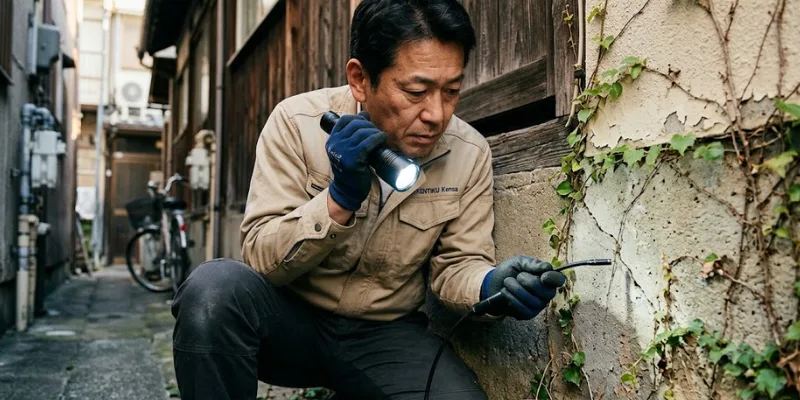
Akiya, or long-vacant houses, deserve extra caution when it comes to renovation history. Many have sat empty for years with no owner keeping up maintenance records at all, and any past renovations may predate the current listing agent’s involvement entirely. Local municipal akiya banks sometimes hold basic condition notes, but these are rarely as detailed as a standard resale disclosure. If you’re considering an akiya, budget for a full independent inspection rather than relying on whatever documentation the seller can produce — treat any renovation claims in the listing as a starting point for questions, not a confirmed record.
Red Flags to Watch For
A few patterns are worth double-checking rather than taking at face value.
Renovation photos in the listing, but no receipts or contractor details available. This doesn’t necessarily mean anything was done improperly. It’s still worth asking directly who performed the work.
A recently renovated interior on a building with no recorded large-scale repair in over 15 years. Interior work and structural maintenance are separate things. A nice kitchen doesn’t confirm the building’s shared systems are sound.
A disclosure statement that mentions “minor repairs” without specifics. Ask your agent to get more detail before you rely on this vague phrasing in your decision.
A seller who’s reluctant to share management association minutes. These are ordinarily available to prospective buyers through the agent. Resistance here is worth a direct question.
How Long Renovation Records Typically Stay Available
For condos, management association records are usually retained indefinitely, since they’re tied to the building rather than any single owner. Long-term repair plans and large-scale repair histories going back decades are common for older buildings. For detached houses, records depend entirely on what the individual owner chose to keep. A seller who’s owned the house for 20+ years may have thorough receipts, or none at all, depending on how organized they were. This is exactly why an independent inspection matters more for houses than for condos — the paper trail simply isn’t as reliable.
Renovation History and Earthquake Resistance Standards
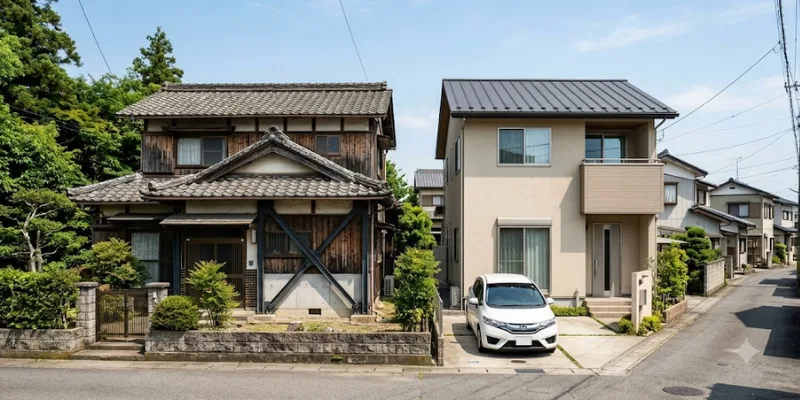
One structural detail worth checking alongside renovation history is which seismic standard the building was built under. Japan updated its building code in June 1981, and structures built after that date meet the “new earthquake resistance standard” (新耐震基準). Buildings from before that date follow the older standard, and many older houses that have since been renovated were retrofitted specifically to bring them closer to current seismic requirements. If a property’s renovation history includes seismic reinforcement work, ask for the specific documentation, since this is one of the few renovation categories lenders and insurers sometimes ask about directly during a mortgage or insurance application. A renovated interior on a pre-1981 building that never had seismic work done is a different risk profile than the same renovation on a newer structure, even if both look identical from a listing photo.
How This Fits Into the Broader Buying Process
Checking renovation history is one piece of a larger due diligence process. It pairs naturally with reviewing the property’s overall condition, financing, and ongoing costs. Our guides on how to buy property in Japan as a foreigner and buying a house in Japan: costs, procedures, and tips cover the wider process end to end. For understanding your total ongoing costs as an owner, our guide to annual property tax in Japan for homebuyers is a useful companion once renovation costs are part of your budget.
Once you’ve reviewed the paperwork, key questions to ask a real estate agent in Japan gives you a script for the direct conversation. Asking clearly and early tends to get more complete answers than a vague general inquiry later on.
FAQ: Checking Renovation History Before Buying in Japan
Sellers must disclose known defects and material facts through the property status disclosure statement. The level of detail can vary, so it isn’t a guarantee of a complete renovation log.
Not necessarily, but it’s worth considering for older properties, or anywhere the seller’s inspection report seems incomplete. A second opinion is common practice among careful buyers.
Contact the local municipal building department. They can confirm whether a building permit was issued and whether the completed work matches what was approved.
The long-term repair plan shows what’s scheduled for the future. The repair history shows what’s already been completed. You want both, since the plan alone doesn’t confirm past work actually happened on schedule.
Yes, generally. A well-documented repair history, especially for condos, tends to reassure future buyers the same way it should reassure you now. It’s worth keeping copies of everything once you own the property.
Ask your real estate agent to request them from the management company on your behalf. This is a standard part of due diligence, and most sellers expect the request.
It can, in both directions. A well-documented, professionally completed renovation can justify a higher price than a comparable unrenovated unit. A vague or undocumented renovation, especially one covering structural elements, is a reasonable basis for negotiating the price down or requesting further inspection before you commit.

Real estate advisor at Arealty Japan, specialising in helping foreign residents navigate the Tokyo and Osaka rental markets. Lucy has guided hundreds of international renters — from Working Holiday visa holders to corporate relocations — through Japan’s apartment application process. Her writing draws on firsthand experience with landlord screening, guarantor companies, and foreigner-friendly listings across all 23 Tokyo wards and major Kansai cities.





Leave a Reply