
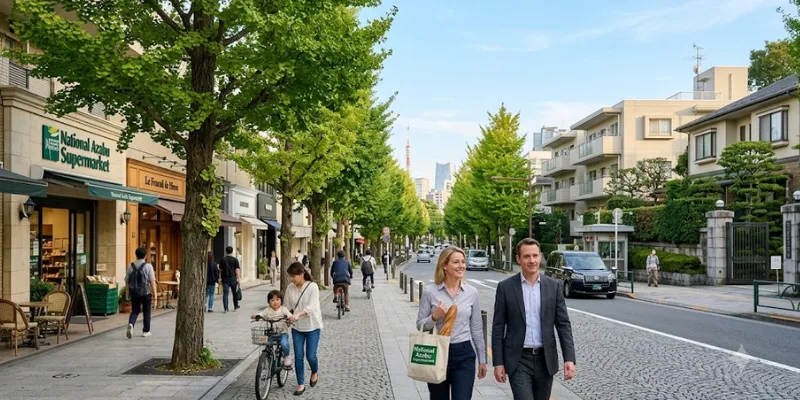

Living in Hiroo means renting in one of Tokyo’s most established international neighborhoods. Tree-lined streets, embassies, and a longtime expat community all sit within walking distance of Hiroo Station. Hiroo sits in Minato Ward, between Ebisu and Roppongi. It’s been a preferred base for foreign residents and diplomats for decades. Average rent for a 1K/1DK apartment runs around ¥150,000–¥190,000 per month. That reflects its central location and long-standing demand from international tenants.
This guide covers everything a renter needs before signing a lease in Hiroo. We’ll walk through location and transport, cost of living, the best sub-areas, who the neighborhood suits, and the practical steps to renting here as a foreign resident.
Key Facts About Hiroo
| Ward | Minato Ward (港区), Tokyo |
| Nearest station | Hiroo Station (Tokyo Metro Hibiya Line) |
| Commute to Roppongi | 2 stops, about 5 minutes |
| Commute to Tokyo Station | Around 20 minutes |
| Average 1K/1DK rent | ¥150,000–¥190,000/month |
| Average 1LDK/2LDK rent | ¥250,000–¥400,000/month |
| Known for | International schools, embassies, National Azabu supermarket, Arisugawa Park |
| Best suited for | Expat families, diplomats, long-term foreign residents wanting an established international community |
Where Is Hiroo and How Do You Get Around?
Hiroo sits in the southern part of Minato Ward. Ebisu borders it to the west, Roppongi to the north, and Azabu to the east. Hiroo Station, on the Tokyo Metro Hibiya Line, serves the neighborhood directly. It reaches Roppongi in two stops and connects onward to Ginza and Ueno without a transfer. Many residents also walk or cycle to Ebisu Station on the JR Yamanote Line, which adds direct access to Shibuya and central Tokyo’s loop line.
Hiroo’s streets are hillier and quieter than the flat grid of neighborhoods like Tsukishima or central Shibuya. Wide sidewalks, mature trees, and low-rise apartment buildings give much of the area a residential feel. This holds true despite sitting just minutes from Roppongi’s nightlife district. You can browse all current Minato ward listings if you’d like to compare Hiroo against other parts of the ward, including Azabu and Roppongi itself.
What’s It Like to Live in Hiroo Day to Day?
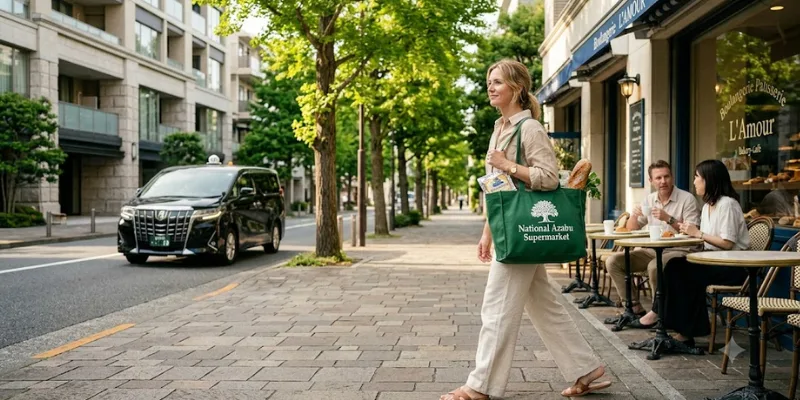
Hiroo has been home to a large international community for generations. Daily life here reflects that history. National Azabu Supermarket, a long-running international grocery store near the station, stocks imported goods that are hard to find elsewhere in Tokyo. Specialty cheeses and familiar packaged foods from home both sit on the shelves. Several embassies sit within or near Hiroo, which contributes to the area’s international character and steady demand from diplomatic staff.
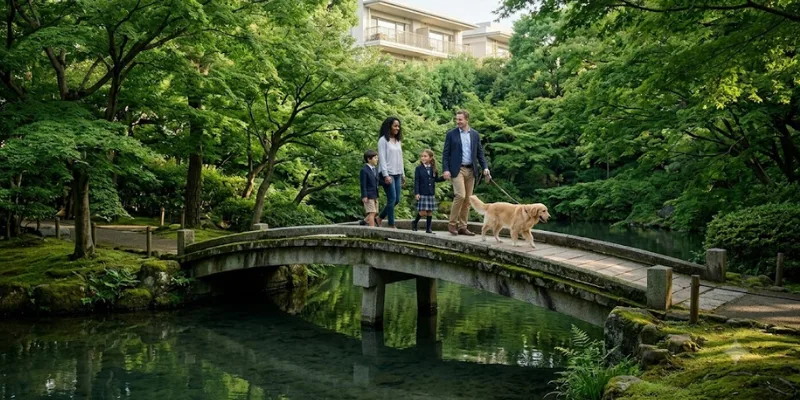
Arisugawa-no-miya Memorial Park anchors the neighborhood’s eastern edge. It’s one of central Tokyo’s larger green spaces, and it draws joggers, dog walkers, and families year-round. The pace here is noticeably calmer than Roppongi or Shibuya, even though both sit a short ride away. Cafes, bakeries, and small international restaurants line the main streets near the station. They cater to a resident base used to Western-style dining options alongside standard Japanese fare.
For context on what residents typically budget for rent relative to income, see our guide to average salaries in Japan.
How Much Does It Cost to Rent an Apartment in Hiroo?
Hiroo commands some of the higher rents in Minato Ward. Long-standing international demand and limited new supply, compared to redeveloped areas like Toranomon or Shirokane, both drive this.
- 1K/1DK (single occupant): roughly ¥150,000–¥190,000/month
- 1LDK (couples): roughly ¥250,000–¥300,000/month
- 2LDK/3LDK (families): roughly ¥350,000–¥550,000/month, with larger, renovated units in older low-rise buildings often commanding a premium over newer but smaller tower units
On top of monthly rent, budget for the standard Tokyo move-in costs. Key money (reikin), deposit (shikikin), agency fee, and guarantor company fee typically add up to three to five months of rent upfront. Many Hiroo buildings, particularly older low-rise apartments favored by long-term expat tenants, already assume a guarantor company in their listed terms. Confirm this early in your search. For a full breakdown of what to expect across housing types, see our guide to types of rental housing in Japan.
What Are the Best Areas Within Hiroo?
Near Hiroo Station and National Azabu suits renters who want walkable access to international grocery shopping and the subway. This area has the highest concentration of embassy staff and long-term foreign residents. It also holds the neighborhood’s best-known cafes and restaurants.
Around Arisugawa Park suits families and anyone who wants easy access to green space. Apartments here tend to be quieter, with some of the neighborhood’s older, larger low-rise buildings favored by long-term tenants.
The Ebisu-adjacent western edge of Hiroo offers a middle ground. It has slightly easier access to JR Yamanote Line trains, with rents that can run modestly lower than the core area right around Hiroo Station.
Is Hiroo Good for Foreigners and Families?
Hiroo is one of Tokyo’s most genuinely foreigner-friendly neighborhoods. Its resident base has included a large international community for decades, a legacy that traces back to the postwar concentration of embassies and international schools in this part of Minato Ward. English is commonly spoken at local shops and services near the station. Several international schools also sit within a short commute, including options serving French, American, and international curricula in the surrounding Hiroo-Azabu area.
For families, the combination of Arisugawa Park, established international schools nearby, and a low-traffic residential layout makes Hiroo one of the more practical choices among Tokyo’s premium neighborhoods. Guarantor acceptance varies by landlord, even within the same neighborhood, so renters without a Japanese guarantor should confirm this in advance. Our guide on renting an apartment in Japan without a guarantor covers the process in detail.
What Is There to Do in Hiroo?
Beyond National Azabu and Arisugawa Park, Hiroo offers easy access to some of Tokyo’s most walkable, low-key shopping streets. The area around Hiroo Station has a steady mix of independent cafes, bakeries, and small restaurants. They cater to a resident base used to a wider range of international options than many Tokyo neighborhoods offer. The Meguro River, known for its cherry blossoms in spring, sits a short walk south, connecting Hiroo to Ebisu and Nakameguro on foot. For larger outings, Roppongi Hills, Tokyo Midtown, and Ebisu Garden Place all sit within a 15-minute combined walk-and-train radius. That gives residents easy access to shopping, dining, and museums without needing to travel far. Several international clinics and dental practices also operate in and around Hiroo, a detail that matters to many long-term foreign residents choosing where to settle in Tokyo.
Schools and Family Amenities
Minato Ward operates public elementary and junior high schools serving the Hiroo area. The ward is also home to several of Tokyo’s most established international schools, which draws many long-term foreign families to the neighborhood specifically for this reason. Nursery and daycare capacity in Minato Ward is competitive, particularly for 0–2 year old placements. Families should start the application process well before their planned move-in date. Arisugawa Park and several smaller playgrounds provide accessible outdoor space. The neighborhood’s quieter residential streets also make it comparatively easy for children to walk to nearby schools.
How to Rent an Apartment in Hiroo: A Step-by-Step Overview
- Set a budget range based on the rent figures above, and add roughly three to five months of rent for move-in costs (deposit, key money, agency fee, guarantor fee).
- Decide on a sub-area first: near the station and National Azabu for convenience, or near Arisugawa Park for more space and quiet.
- Confirm guarantor requirements with the agency early. Acceptance of guarantor companies varies by landlord, even within the same neighborhood.
- Ask about renovation history on older low-rise buildings. Hiroo has a larger share of older apartment stock than newer Tokyo neighborhoods.
- Check proximity to specific international schools if relevant. Commute times can vary meaningfully even within Hiroo depending on which school your family needs.
- Sign the lease and complete move-in procedures. This includes registering your new address at the Minato Ward Office, required for anyone living in Hiroo under a resident visa.
Hiroo vs Nearby Neighborhoods
Compared to Roppongi, Hiroo offers a quieter, more residential alternative with a similarly international resident base. Rents run comparable or slightly higher depending on the building. Compared to Ebisu, Hiroo trades some of Ebisu’s restaurant and nightlife density for more green space and a more established expat community. Compared to Azabu, its immediate eastern neighbor, Hiroo tends to offer a slightly wider range of price points, since it mixes older low-rise buildings alongside its higher-end apartment stock. Renters comparing long-stay options across Tokyo more broadly may also find our long-term apartment rental guide useful for setting expectations on lease terms.
Safety and Livability
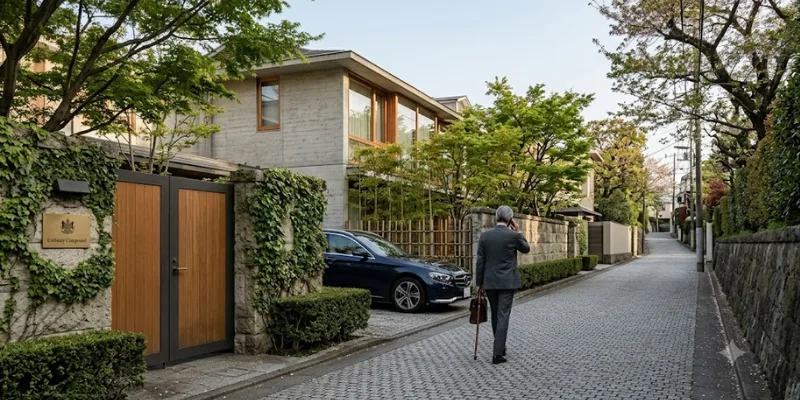
Hiroo consistently ranks among the safer, more established residential areas within Minato Ward. The hilly, low-rise streetscape keeps traffic volumes lower than in flatter, more commercial parts of the ward. Street lighting near the station and around Arisugawa Park is generally good. The long-term nature of much of the resident population gives the neighborhood a settled, watched-over feel. Convenience stores, pharmacies, and the National Azabu supermarket sit within easy reach of most points in the neighborhood. That matters for anyone new to living in Hiroo and still learning the area’s layout.
Frequently Asked Questions About Living in Hiroo
Yes, particularly for foreign residents and families who want an established international community, good schools, and green space within a short commute of Roppongi and Ebisu.
Yes, particularly for foreign residents and families who want an established international community, good schools, and green space within a short commute of Roppongi and Ebisu.
Hiroo is known for National Azabu Supermarket, Arisugawa-no-miya Memorial Park, and a long-established community of embassy staff and foreign residents.
Hiroo is one of the higher-priced neighborhoods in Minato Ward. That reflects decades of steady international demand and limited new apartment supply compared to redeveloped areas nearby.
Yes. Several international schools serving different curricula sit within a short commute of Hiroo, which is one of the main reasons long-term expat families choose the neighborhood.
Looking for an apartment in Hiroo or elsewhere in Minato Ward? Browse current listings on Arealty or explore available rentals across Tokyo at arealty.jp/rent.

Real estate advisor at Arealty Japan, specialising in helping foreign residents navigate the Tokyo and Osaka rental markets. Lucy has guided hundreds of international renters — from Working Holiday visa holders to corporate relocations — through Japan’s apartment application process. Her writing draws on firsthand experience with landlord screening, guarantor companies, and foreigner-friendly listings across all 23 Tokyo wards and major Kansai cities.




Leave a Reply