
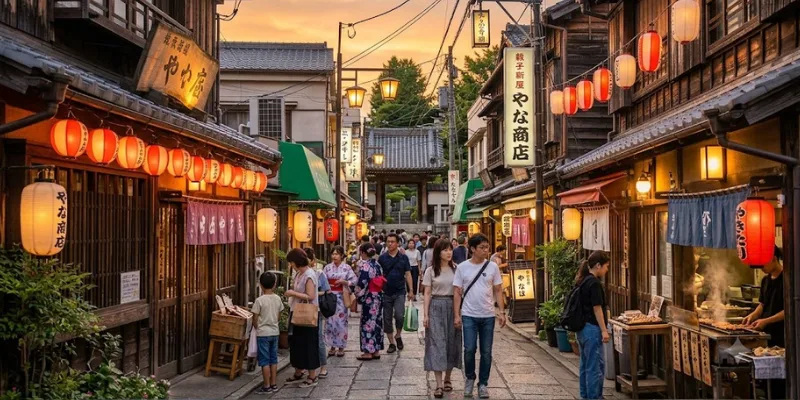

Yanaka is a low-rise, temple-dense pocket of northern Taito-ku. It survived the 1923 earthquake and WWII bombing largely intact. That makes it the closest thing Tokyo has to a preserved Edo-era streetscape. This Yanaka neighborhood guide covers rent, train access, daily life, and who the area actually suits, so you can decide if it fits your move to Tokyo.
Yanaka at a Glance
| Categories | Details |
|---|---|
| Ward | Taito-ku (borders Bunkyo-ku and Arakawa-ku) |
| Nearest stations | Nippori (JR Yamanote Line), Sendagi (Chiyoda Line), Nezu (Chiyoda Line) |
| Commute to Tokyo Station | ~20–25 min via Nippori |
| 1K rent range | ¥78,000–¥105,000/month |
| 1LDK rent range | ¥150,000–¥200,000/month |
| Best for | Long-term residents, remote workers, couples who want traditional character over convenience |
| Less suited for | Anyone who needs late-night nightlife or a large expat social scene nearby |
What Makes This Yanaka Neighborhood Guide Different From a Typical Taito Overview
Most Taito-ku content treats Yanaka as a side note to Asakusa and Ueno. It shouldn’t be. Yanaka, along with neighboring Nezu and Sendagi in Bunkyo-ku, forms an area locals call Yanesen. Together they have their own rental market, their own pace, and a resident profile that looks nothing like the rest of the ward.
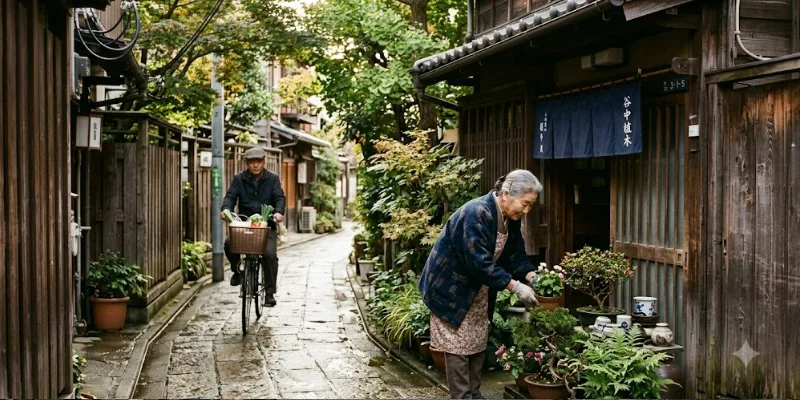
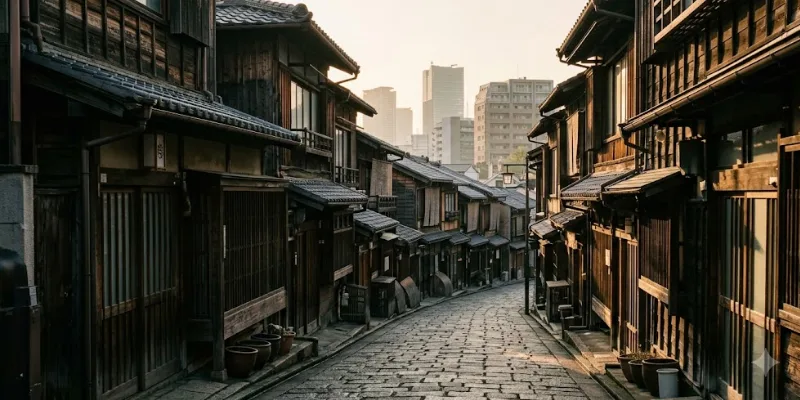
Narrow stone-paved lanes connect wooden machiya houses and small family-run shops. Some of the neighborhood’s temples have stood on the same spot for over a century. There is no Shibuya-style redevelopment happening here, and that’s the entire point. Property owners and the ward government have actively protected the low-rise streetscape. That’s why Yanaka still looks the way it did decades ago, while most of central Tokyo has been rebuilt two or three times over.
A Short History Behind the Streetscape
Understanding why Yanaka looks the way it does helps explain the rental market you’ll be searching in. The area developed around Tennō-ji temple during the Edo period. By the 19th century it had become a dense cluster of temples, craft workshops, and modest residential housing. Yanaka sits on slightly elevated ground, away from the low-lying areas that burned most severely. Because of that, it escaped the worst of the 1923 Great Kanto Earthquake and the WWII firebombing that flattened much of central and eastern Tokyo. Tokyo’s official tourism authority documents the wider Yanesen area’s Edo-period roots in more detail, if you want the deeper local history before you move (GoTokyo: Yanaka, Nezu, Sendagi).
That survival is why Yanaka today has roughly 70 independently owned shops. Some have been run by the same families for three or four generations. Its wooden machiya houses and narrow lanes still follow their original Edo-period layout. Redevelopment pressure exists here too, as it does everywhere in Tokyo. But resident associations and the ward’s zoning have kept large-scale demolition out of the core streets. For renters, this means a slower-changing, more predictable neighborhood character. The trade-off is a housing stock that skews older and smaller than what you’d find in a redeveloped ward like Minato or Koto.
Seasonal Character
Yanaka’s calendar is worth knowing before you commit to a lease. The neighborhood’s character shifts noticeably by season. Spring brings the heaviest foot traffic, when Yanaka Cemetery’s central avenue fills with cherry blossoms and day-trip visitors. Summer is quieter and genuinely local, with small matsuri at neighborhood shrines drawing residents rather than tourists. Autumn is arguably the best season to actually live here: mild weather, fewer crowds, and the temple grounds at their most photogenic. Winter is the slowest period. Yanaka Ginza’s shops keep shorter hours and the area feels almost sleepy compared to central Tokyo.
If quiet matters more to you than convenience, this seasonal rhythm is a feature, not a drawback. If you want consistent energy and foot traffic year-round, weigh Yanaka against wards like Shibuya or Shinjuku before signing a lease.
Rental Market: What You’ll Actually Pay in Yanaka
Yanaka rents sit below Bunkyo’s more academic core near the University of Tokyo, but slightly above the cheapest pockets of eastern Taito. A studio or 1K here typically runs ¥78,000 to ¥105,000 a month, depending on building age and distance from Nippori Station. Families or couples looking at 1LDK or 2LDK layouts should budget ¥150,000 to ¥200,000. These larger units are harder to find, since most local housing stock is older, smaller machiya-style buildings rather than modern apartment towers.
Two things to know before you search:
- Building stock skews old. Many Yanaka buildings predate 1981 earthquake-resistance standards. This isn’t automatically a dealbreaker, but it’s worth asking your agent for the construction year and confirming any retrofit work.
- Inventory turns over slowly. Long-term residents rarely leave, and there’s limited new construction. Listings move fast once they appear, so decide quickly when a unit fits your budget and layout needs.
Browse current Taito-ku listings, including units in and around Yanaka, on Arealty’s Taito-ku rental page.
Getting Around: Yanaka’s Train Access
Yanaka itself has no train station. That’s part of why this Yanaka neighborhood guide starts with transit before anything else. Three stations serve the area, each on a different line:
- Nippori Station (JR Yamanote Line, Keisei Line): The main gateway, roughly 20–25 minutes to Tokyo Station, with direct access to Narita Airport via the Keisei Skyliner.
- Sendagi Station (Chiyoda Line): Best for commuters heading toward Otemachi or the Marunouchi business district.
- Nezu Station (Chiyoda Line): Slightly south, closer to Nezu Shrine and the Yanesen shopping streets.
None of these put you inside a 5-minute walk of the most atmospheric parts of Yanaka. Expect a 7 to 12-minute walk from any of the three stations into the heart of the neighborhood. Residents accept that trade-off for the quiet, low-traffic streets.
Daily Life in Yanaka
Yanaka Ginza is the neighborhood’s main shopping street, a retro shotengai lined with small food stalls, bakeries, and household shops rather than chain stores. It gets busy on weekends with visitors, but stays genuinely local on weekdays.
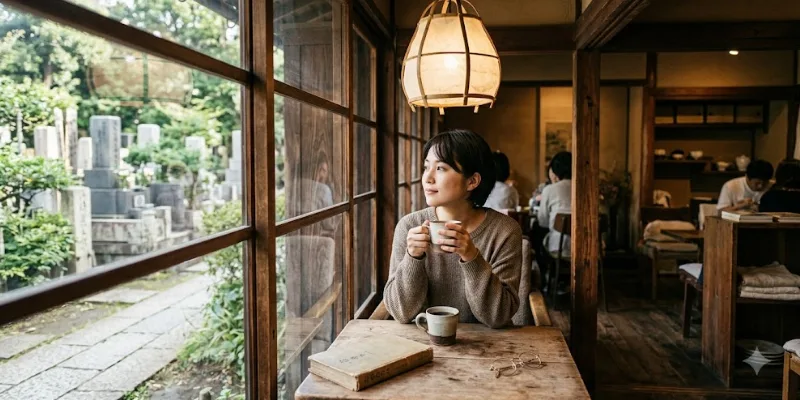
Yanaka Cemetery functions less like a cemetery and more like a public park for residents. This is especially true during cherry blossom season, when its central avenue draws crowds without the density of Ueno Park. Around 70 independent, family-run shops operate within walking distance of the cemetery, many of them decades old.
For groceries and everyday errands, options are smaller-scale than in central wards. Expect neighborhood supermarkets and convenience stores rather than large shopping complexes. Residents who want bigger retail access typically make the short trip to Ueno or Nippori.
Cafés are a genuine strength of the area. Yanaka has attracted artists, craftspeople, and small gallery owners for decades, so it has a higher density of independent coffee shops and galleries than its size would suggest. Many operate out of converted machiya houses. Several art spaces run rotating exhibitions from local and emerging artists rather than commercial galleries.
Community events are also more frequent here than in most Tokyo neighborhoods. Local shrines hold seasonal matsuri, Yanaka Ginza occasionally closes to traffic for street events, and several shops take part in neighborhood-wide open studio weekends. For foreign residents who want a genuine local network rather than an expat one, this is one of Yanaka’s clearest advantages. It also means some Japanese language ability helps more here than in a more internationally-oriented ward.
Practical Notes for Foreign Renters
A few Yanaka-specific points worth flagging before you start apartment hunting:
- Confirm foreigner acceptance early. Much of Yanaka’s housing stock is owned by long-term individual landlords rather than large management companies, so foreigner-friendly policies vary more than in newer buildings elsewhere in Tokyo. Work with an agency that pre-screens for this rather than contacting individual listings cold.
- Ask about earthquake retrofitting. Given the age of the housing stock described above, this is a fair question to raise with any landlord or agent.
- Budget extra time for apartment viewings. Smaller, older buildings mean fewer units come onto the market at once. Plan for a slightly longer search window than you might in a ward with more standardized modern apartment stock.
Who Should Actually Live in Yanaka
This Yanaka neighborhood guide would be incomplete without being direct about fit. The area isn’t right for everyone.
Yanaka works well for:
- Long-term residents who have already lived through Tokyo’s more convenient, modern neighborhoods and want something quieter and more local
- Remote workers and couples prioritizing space, character, and a slower pace over nightlife
- Anyone drawn to traditional Shitamachi culture, temples, and craft shops over shopping malls
- Pet owners, since the low-rise streets and lack of heavy traffic suit dog walking
Yanaka is a weaker fit for:
- Newly arrived foreigners who want an established expat community nearby, since that infrastructure is much thinner here than in Shibuya or Minato
- Anyone who relies on nightlife, 24-hour retail, or late-night dining within walking distance
- Renters needing brand-new buildings with modern amenities, since the housing stock leans old
Yanaka vs. Nearby Areas
Yanaka is frequently compared with Bunkyo’s Nezu and Sendagi, since all three form the Yanesen area and share the same low-rise, traditional character. Rents across Yanesen run in a similar band. The choice often comes down to which train line matches your commute rather than price. For a fuller comparison of Bunkyo-side options, see our Bunkyo apartments guide for foreigners. For how Yanaka fits into Taito-ku as a whole, see Discover Taito Ward Tokyo.
If you’re deciding between a Yamanote Line station near Yanaka and other stops on the loop, our Yamanote Line station guide breaks down Nippori and Ueno alongside the rest of the line.
Yanaka Neighborhood Guide: FAQ
Yes, for long-term residents who want traditional Tokyo character and a quiet pace. It suits people past the stage of needing heavy expat infrastructure nearby, less so newly arrived foreigners still building a local network.
Nippori Station on the JR Yamanote Line is the main access point. Sendagi and Nezu Stations on the Chiyoda Line also serve the area from the west side.
A 1K typically runs ¥78,000 to ¥105,000 per month. 1LDK and 2LDK units range from ¥150,000 to ¥200,000, though family-sized layouts are limited due to the area’s older, smaller housing stock.
No. Yanesen is the informal name for the combined area of Yanaka, Nezu, and Sendagi, spanning both Taito-ku and Bunkyo-ku. Yanaka itself sits entirely within Taito-ku.
Ueno is about a 20 to 25-minute walk, or a short train ride, from Nippori or Nezu. Asakusa is farther and better reached by train.
Looking for an apartment in Yanaka or elsewhere in Taito-ku? Browse verified listings on Arealty, all pre-confirmed for foreigner acceptance with English-language support throughout the application process. Or start from arealty.jp to search across all 23 Tokyo wards.

Real estate advisor at Arealty Japan, specialising in helping foreign residents navigate the Tokyo and Osaka rental markets. Lucy has guided hundreds of international renters — from Working Holiday visa holders to corporate relocations — through Japan’s apartment application process. Her writing draws on firsthand experience with landlord screening, guarantor companies, and foreigner-friendly listings across all 23 Tokyo wards and major Kansai cities.




Leave a Reply