
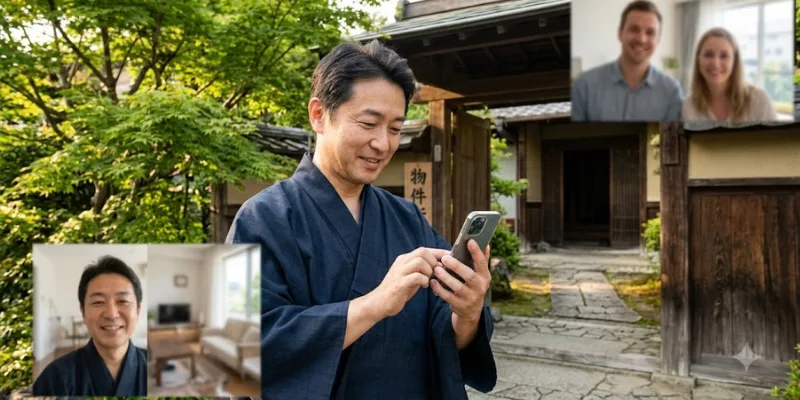

Quick answer: Yes, you can buy property in Japan from abroad without ever visiting in person. The process relies on video viewings, a power of attorney to sign documents on your behalf, and a Japan-based agent who can walk the transaction through to closing. The biggest practical hurdles are financing and finding a trustworthy agent. Most Japanese banks won’t lend to non-resident buyers, so plan around that early.
Buying a home you’ve never physically stood inside sounds risky. Thousands of people do it in Japan’s real estate market every year, often successfully. This guide covers how to buy property in Japan from abroad, step by step, including the parts that trip up first-time overseas buyers.
Can Foreigners Buy Property in Japan From Abroad?
Japan places no restriction on foreign ownership of real estate. There’s no requirement to live in Japan, or even visit, to complete a purchase. This makes Japan more accessible to remote buyers than many other countries. The complexity isn’t legal eligibility. It’s logistics — financing, document verification, and trusting a process you can’t personally observe at every step.
Step-by-Step: Buying From Overseas
- Define your budget and financing plan first. Confirm whether you’re paying in cash or arranging financing before you start seriously viewing properties. Financing options for overseas buyers are more limited than for residents.
- Find an agent experienced with remote buyers. Not every agency regularly handles this. Ask directly whether they’ve closed a sale with a fully overseas buyer before.
- Do remote viewings. A good agent will walk you through the property over video call. This should cover details a photo listing wouldn’t — water pressure, noise levels, actual room proportions.
- Review the important matters explanation (重要事項説明書) remotely. This mandatory disclosure document covers the property’s legal status, zoning, and any known defects. Have your agent walk through it line by line over video.
- Set up a power of attorney. This lets a representative, often your agent or a judicial scrivener, sign documents and complete closing on your behalf.
- Notarize your documents. Documents from your home country typically need an apostille or embassy certification before Japanese authorities will accept them.
- Complete the remote closing. Funds transfer, ownership registers, and your representative handles the final paperwork with the Legal Affairs Bureau.
Financing Challenges for Overseas Buyers
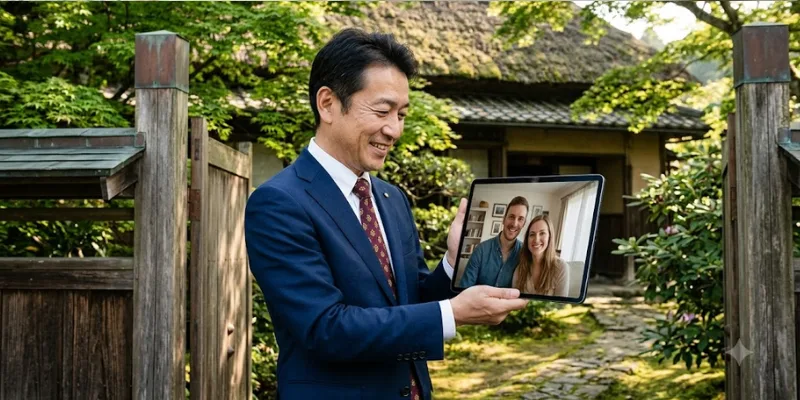
This is usually the biggest obstacle. Most Japanese banks require the borrower to be a resident. Many require permanent residency or a long-term visa status just to consider a mortgage application. A buyer purchasing purely from overseas, with no Japan residency at all, will find domestic mortgage options very limited.
Because of this, most overseas buyers pay in cash. Others arrange financing through a lender in their home country instead. If financing matters to your purchase plan, confirm your options before you fall in love with a specific listing. Our guide to buying property without permanent residency in Japan covers financing eligibility in more detail. It also explains the difference between residency status and citizenship for lending purposes.
Finding an Agent You Can Trust Remotely
Choosing the right agent matters more for a remote purchase than one where you can show up and inspect things yourself. A few questions worth asking before committing to an agency:
- Have they closed a transaction with a buyer who never visited Japan before?
- How do they conduct remote viewings, and can they show you an example?
- What’s their process for handling the power of attorney and notarization requirements?
- Do they have English-language support throughout, not just for the initial inquiry?
Our guide to key questions to ask a real estate agent in Japan has a broader list. Most of it adapts directly to this specific situation.
Handling the Power of Attorney Process
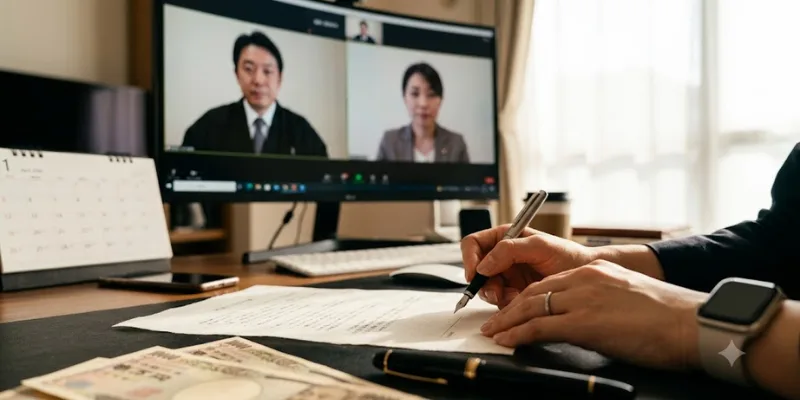
A power of attorney (委任状) is the document that lets someone else legally act on your behalf during closing. You’ll typically need it signed and notarized in your home country first. Then you send the original to your representative in Japan.
Requirements vary depending on your country of residence. Ask your agent or a judicial scrivener (shiho shoshi) early in the process, rather than waiting until closing is imminent. Notarization and international shipping both take time. This step is a common cause of closing delays for remote buyers, so build in extra buffer around your expected timeline.
What Happens After You Own the Property
Owning property in Japan from overseas comes with ongoing responsibilities. They don’t pause just because you’re not physically present.
Annual property tax. As a non-resident owner, you’ll generally need to appoint a tax agent, called a nozeikanrinin, based in Japan. This person handles your annual fixed asset tax filings. Our guide to annual property tax in Japan for homebuyers covers what this tax involves and how it’s calculated.
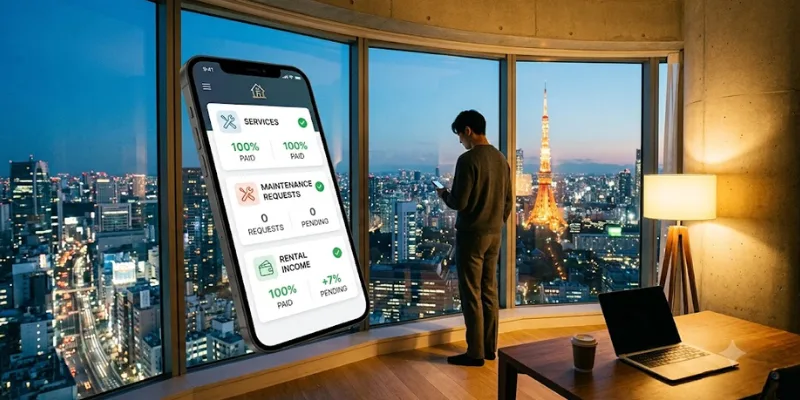
Property management. A property still needs periodic checks even if you’re not renting it out. Japan’s climate isn’t kind to a fully vacant, unmaintained home. If you are renting it out, you’ll need a management company. They handle tenants, repairs, and rent collection on your behalf. Our guide to property management for investors covers what to look for in a management contract as an absentee owner.
Currency and remittance planning. You’ll likely move large sums of money internationally for the purchase itself. Later, you may move rental income back out too, if you’re generating any. Both involve exchange rate risk and remittance limits. Plan around these in advance, rather than discovering them at the worst possible moment.
Red Flags to Watch For as a Remote Buyer
Buying without an in-person visit removes your ability to catch certain issues yourself. That makes a few warning signs worth extra scrutiny.
An agent who discourages detailed video walkthroughs. A trustworthy agent should have no issue spending real time on a video call covering every room.
Pressure to sign quickly without time to review the important matters explanation carefully. This document deserves the same scrutiny remotely as it would in person, even if that means a slower process.
No clear answer on how notarization and power of attorney will work for your specific home country. Requirements do vary by country. A vague answer here is a real concern, not a minor detail.
Reluctance to connect you with a property management company before closing, if you’re planning to rent the property out. Lining this up in advance avoids a gap where the property sits unmanaged right after purchase.
What a Typical Remote Timeline Looks Like
A domestic purchase in Japan often closes within one to two months of an accepted offer. A remote purchase usually takes longer, mostly because of notarization and international document shipping. Budget closer to two to three months from offer to closing, and treat that as a starting estimate rather than a guarantee. Buyers working with countries that have slower notarization or apostille processes should build in even more buffer. It’s worth asking your agent for a realistic timeline specific to your home country early on, rather than assuming a domestic closing timeline will apply to your situation.
FAQ: Buying a Home in Japan From Overseas
Do I need to visit Japan at any point to buy property? No. With a power of attorney and a trustworthy agent, the entire process can be completed remotely. Some buyers still choose to visit once for peace of mind, but it isn’t required.
Can I get a mortgage from a Japanese bank while living overseas? It’s difficult. Most Japanese lenders require residency status, and options for buyers purchasing purely from abroad are limited. Cash purchases or home-country financing are more common paths.
How long does a remote purchase typically take? Often longer than a domestic purchase, mainly due to notarization and international document shipping. Budget extra time compared to what a resident buyer would expect.
Who manages my property if I’m not living in Japan? A professional property management company, if you’re renting it out. Otherwise, a periodic-check arrangement through your agent works for a vacant property.Quick answer: Yes, you can buy property in Japan from abroad without ever visiting in person. The process relies on video viewings, a power of attorney to sign documents on your behalf, and a Japan-based agent who can walk the transaction through to closing. The biggest practical hurdles are financing and finding a trustworthy agent. Most Japanese banks won’t lend to non-resident buyers, so plan around that early.
Buying a home you’ve never physically stood inside sounds risky. Thousands of people do it in Japan’s real estate market every year, often successfully. This guide covers how to buy property in Japan from abroad, step by step, including the parts that trip up first-time overseas buyers.

Real estate advisor at Arealty Japan, specialising in helping foreign residents navigate the Tokyo and Osaka rental markets. Lucy has guided hundreds of international renters — from Working Holiday visa holders to corporate relocations — through Japan’s apartment application process. Her writing draws on firsthand experience with landlord screening, guarantor companies, and foreigner-friendly listings across all 23 Tokyo wards and major Kansai cities.



Leave a Reply