


Quick answer: Niigata apartments for rent for foreigners are concentrated around Niigata Station and the Bandai and Furumachi districts. Both are walkable and well-served by public transit. Rent runs roughly 50–65% below Tokyo for a comparable unit. The Joetsu Shinkansen connects Niigata City to Tokyo Station in about two hours, making it a viable base for people who need occasional Tokyo access without paying Tokyo rent.
Key facts at a glance:
| Factor | Detail |
|---|---|
| Best area for most renters | Niigata Station / Bandai district |
| Typical 1K/1DK rent | ¥35,000–¥55,000/month |
| Travel time to Tokyo | ~2 hours via Joetsu Shinkansen |
| Main local industries | Rice and agriculture, sake brewing, port trade, manufacturing |
| Climate | Heavy winter snowfall, mild humid summers |
Niigata rarely appears in foreigner relocation searches next to Tokyo or Osaka. The city still has a real, if smaller, international community tied to its port, its universities, and its manufacturing sector. This guide covers where to find Niigata apartments for rent for foreigners, what rent actually costs, and how the rental process works outside a major metro area.
Why Foreigners Live in Niigata
Niigata City sits on the Sea of Japan coast. It’s historically been Japan’s gateway for trade with Korea and Russia, and that trade history still shapes the local economy today. The region is also one of Japan’s most famous koshihikari rice-growing areas, and it has one of the highest concentrations of sake breweries in the country. Niigata University draws a modest but steady international student population. Manufacturing and port-logistics jobs bring a separate group of foreign workers, often on longer-term visas tied to specific industries.
Best Areas for Niigata Apartments for Rent for Foreigners
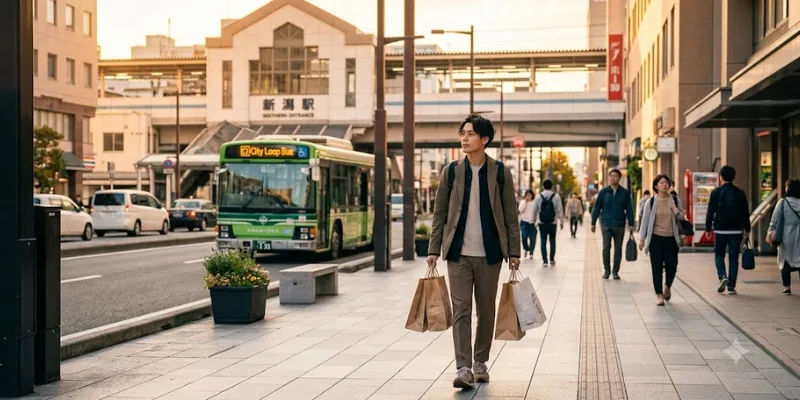
Niigata Station and Bandai form the city’s commercial core. This area has the widest selection of apartments, easy access to shopping and dining, and the shortest walk to the Shinkansen platforms. It’s the most practical starting point for most foreign renters.
Furumachi, Niigata’s older downtown entertainment district, sits a short bus or bike ride from the station. It offers a slightly more local, less transit-oriented feel, with generally lower rent than the immediate station area.
Niigata University area (Ikarashi), on the western edge of the city, is geared toward students. It offers the cheapest rent in the city, though it’s further from downtown amenities and the Shinkansen station.
Average Rent in Niigata
A 1K or 1DK apartment near Niigata Station typically runs ¥40,000–¥55,000 per month. The same size unit in Furumachi or a quieter residential neighborhood can run ¥35,000–¥45,000 per month. Near Niigata University, student-oriented studios sometimes start as low as ¥30,000 per month. All of these figures sit well below equivalent Tokyo rent. That gap is the main draw for remote workers and retirees considering the city.
For a broader comparison against Japan’s major cities, our guide to the average cost of living in Japan breaks down typical expenses by region. You can browse current listings across Japan directly on Arealty’s rental platform.
Getting to Tokyo: Shinkansen Access
The Joetsu Shinkansen runs directly between Niigata Station and Tokyo Station. Travel time is roughly two hours. This makes Niigata realistic for people who need occasional in-person time in Tokyo, without carrying Tokyo rent every month. Niigata also has its own airport with domestic connections, useful for anyone whose work or family ties span multiple regions of Japan.
Documents and Guarantor Requirements
Renting in Niigata follows the same national rules as anywhere in Japan. You’ll generally need:
- A valid visa and residence card
- A guarantor or guarantor company
- Proof of income, or a scholarship or sponsor letter for students
- An emergency contact based in Japan
Our guide to the guarantor system in Japan explains how these companies work nationwide. Required documents for renting in Japan covers the full paperwork checklist. Both apply in Niigata exactly as they do in Tokyo.
One practical note for a regional city like Niigata: fewer local agents have direct experience with foreign tenants than in Tokyo. Confirm your agent’s comfort with the process before you invest time in a search.
Job Opportunities in Niigata
Beyond university and port-related work, Niigata’s economy has a few sectors that regularly employ foreign residents. Manufacturing, especially in machinery and chemicals, has long relied on a mix of domestic and international labor. Agriculture, tied to the region’s rice farming and sake production, offers seasonal and year-round positions for people interested in a more rural work style. English teaching positions exist too, in smaller numbers than in Tokyo but steady across the city’s schools and language centers. None of this rivals Tokyo’s job market in scale, but it gives Niigata a genuine local economy rather than one built purely around tourism.
How Niigata Compares to Other Regional Cities
Foreigners weighing Niigata against other options outside Tokyo often compare it to similarly sized Sea of Japan or snow-belt cities. Compared to Sapporo, Niigata is considerably smaller and has a much smaller international community, but it sits closer to Tokyo and benefits from direct Shinkansen access that Sapporo doesn’t have in the same form. Compared to Nagano, both share heavy winters and a Shinkansen link to Tokyo, though Niigata’s economy leans more toward port trade and manufacturing, while Nagano leans more toward tourism and remote work. If direct Shinkansen access to Tokyo matters most, Niigata is one of the stronger regional options at this price point.
Step-by-Step: Renting in Niigata as a Foreigner
- Pick your area based on your daily routine. Someone needing frequent Shinkansen access should prioritize the station area. A student should look near the university instead.
- Confirm your agent has worked with foreign tenants before. Not every agency outside the station area does this regularly.
- Prepare your guarantor and documents in parallel with viewings, the same as anywhere else in Japan.
- Check the apartment’s insulation and heating type. Niigata winters bring heavy, sustained snowfall, and older regional buildings vary widely in how well they handle it.
- Register your new address at the local ward or city office within 14 days of moving in.
Life in Niigata for Foreign Residents
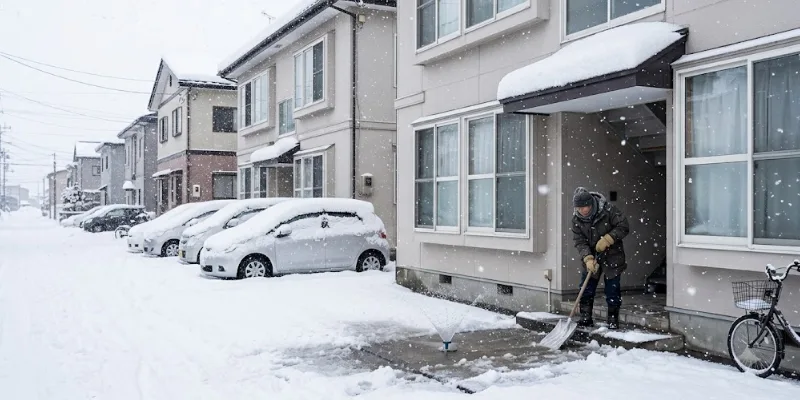
Winters in Niigata are genuinely severe by Japanese standards. The city sees some of the heaviest snowfall of any major city in the country. Summers are warm and humid, closer to Tokyo’s climate than the milder mountain summers found in Nagano. The foreign community is smaller than in Japan’s major metros, but it’s tied closely to specific institutions — the university, the port, and several manufacturing employers. That makes it easier to find community through those channels than through general expat meetups.
FAQ: Niigata Apartments for Rent for Foreigners
Not fundamentally, though fewer agents outside the station area regularly work with foreign tenants. Confirm this upfront rather than assuming every local agency handles it the same way.
Roughly 50–65% cheaper for a comparable apartment, depending on the specific area and building age.
About two hours by Joetsu Shinkansen. That makes occasional trips realistic, though a daily commute isn’t practical.
Not in the station area or Furumachi, both walkable with reasonable bus service. Outer residential neighborhoods lean more car-dependent.
Yes, for those who need occasional Tokyo access. Low rent plus a two-hour Shinkansen connection make it one of the more practical regional options for this lifestyle.
The same as anywhere in Japan — a valid visa, a guarantor or guarantor company, proof of income, and an emergency contact based in Japan.
Looking for a place to live in Japan? Visit Arealty to browse foreigner-friendly listings, or head straight to arealty.jp/rent to search current availability.

Real estate advisor at Arealty Japan, specialising in helping foreign residents navigate the Tokyo and Osaka rental markets. Lucy has guided hundreds of international renters — from Working Holiday visa holders to corporate relocations — through Japan’s apartment application process. Her writing draws on firsthand experience with landlord screening, guarantor companies, and foreigner-friendly listings across all 23 Tokyo wards and major Kansai cities.



Leave a Reply