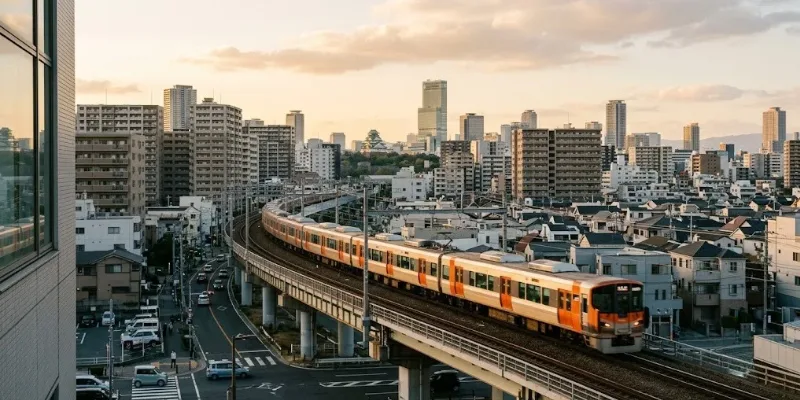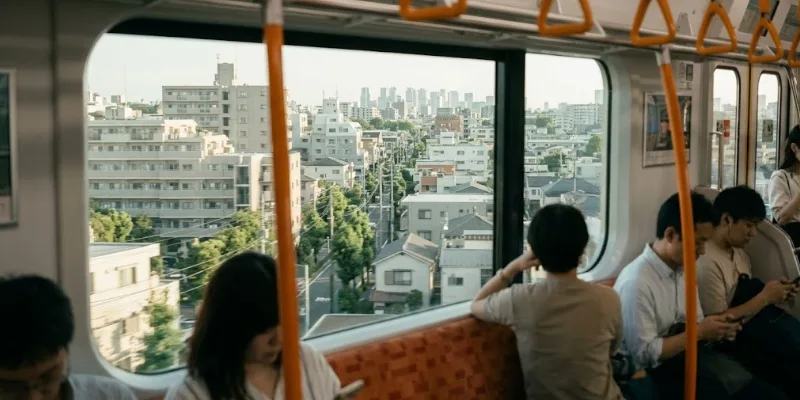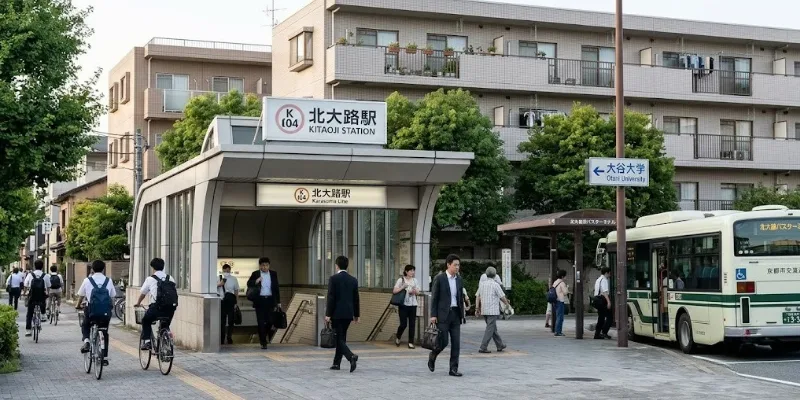

Quick answer: Karasuma Line apartments cost about ¥45,000 to ¥74,000 a month for a studio or 1K. The Karasuma Line is Kyoto’s main north-south subway, linking Kyoto Station with downtown Shijo and the university areas in the north. Rent is lowest in the north, from Kokusaikaikan to Kitaoji, at about ¥45,000 to ¥55,000. For students, Kitaoji and Imadegawa offer the best mix of price and campus access.
Karasuma Line key facts
| Item | Detail |
|---|---|
| Operator | Kyoto City Transportation Bureau |
| Route | Kokusaikaikan (north) to Takeda (south) |
| Length | 13.7 km |
| Stations | 15 (K01 to K15) |
| End-to-end time | About 26 minutes |
| Key transfers | JR and Shinkansen at Kyoto, Hankyu at Shijo, Tozai Line at Karasuma Oike, Kintetsu at Takeda |
| Cheapest studio rent | Kokusaikaikan, about ¥44,800 |
| Most expensive studio rent | Kujo, about ¥73,500 |
Rent figures are LIFULL HOME’S averages for studio, 1K and 1DK apartments within a 10-minute walk of each station, checked October 2026.
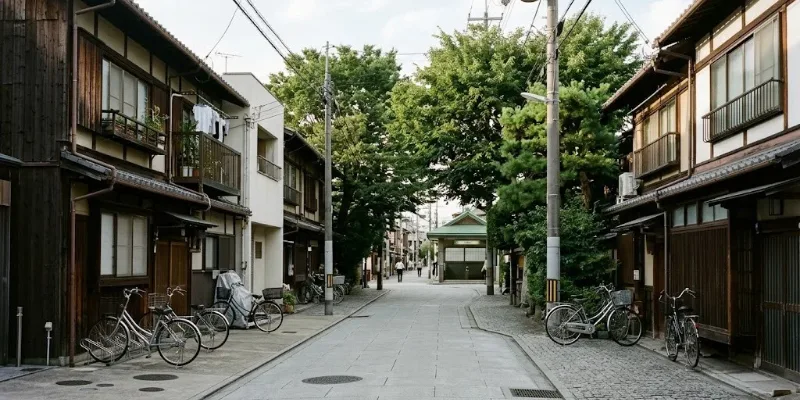
Why Choose Karasuma Line Apartments?
Kyoto is a city of buses, and the buses are often slow and crowded with tourists. The subway is the most reliable way to get around, and the Karasuma Line is its backbone. It runs straight under Karasuma Street, from Kyoto Station in the south to the quiet residential north.
There are three good reasons to live along it.
First, it avoids traffic. Buses share the roads with heavy traffic and tourist crowds, especially in spring and autumn. The whole Karasuma Line takes about 26 minutes from end to end, whatever the traffic is like above.
Second, it connects everything you need. Kyoto Station gives you JR lines and the Shinkansen. Shijo links to the Hankyu Line to Osaka. Karasuma Oike connects to the Tozai Line, and at Takeda some trains run straight through to Nara on the Kintetsu Line.
Third, it serves several universities. Doshisha, Otani and the Kyoto Institute of Technology are all close to Karasuma Line stations. That makes the line a natural choice for international students. Our Kyoto apartments for foreigners guide covers the rest of the city.
How Much Do Karasuma Line Apartments Cost at Each Station?
The table lists all 15 stations from north to south. The last column shows how many stops it takes to reach Kyoto Station.
| Station | Studio / 1K / 1DK rent | Stops to Kyoto Station |
|---|---|---|
| Kokusaikaikan (K01) | ¥44,800 | 10 stops |
| Matsugasaki (K02) | ¥54,200 | 9 stops |
| Kitayama (K03) | ¥55,300 | 8 stops |
| Kitaoji (K04) | ¥50,600 | 7 stops |
| Kuramaguchi (K05) | ¥62,000 | 6 stops |
| Imadegawa (K06) | ¥60,900 | 5 stops |
| Marutamachi (K07) | ¥63,600 | 4 stops |
| Karasuma Oike (K08) | ¥72,400 | 3 stops |
| Shijo (K09) | ¥65,400 | 2 stops |
| Gojo (K10) | ¥67,000 | 1 stop |
| Kyoto (K11) | ¥68,400 | 0 stops |
| Kujo (K12) | ¥73,500 | 1 stop |
| Jujo (K13) | ¥72,500 | 2 stops |
| Kuinabashi (K14) | ¥58,300 | 3 stops |
| Takeda (K15) | ¥56,300 | 4 stops |
What the numbers tell you
The north is the cheapest part of the line. Kokusaikaikan, Kitaoji, Matsugasaki and Kitayama all average under ¥56,000. A likely reason is that these university areas have many small, older studios aimed at students.
Rent rises as you move toward the center. Karasuma Oike, the heart of Kyoto’s business district, averages about ¥72,400. It is the only station where you can change to the Tozai Line.
The surprise is just south of Kyoto Station. Kujo and Jujo are the most expensive stations on the line, most likely because many of the studios there are in newer buildings. Go two more stops south to Kuinabashi or Takeda, and rent drops to about ¥56,000 to ¥58,000.
Compared with Tokyo or Osaka, the gap between cheap and expensive stations is small. A studio anywhere on the line costs less than an average studio on the Midosuji Line in central Osaka.
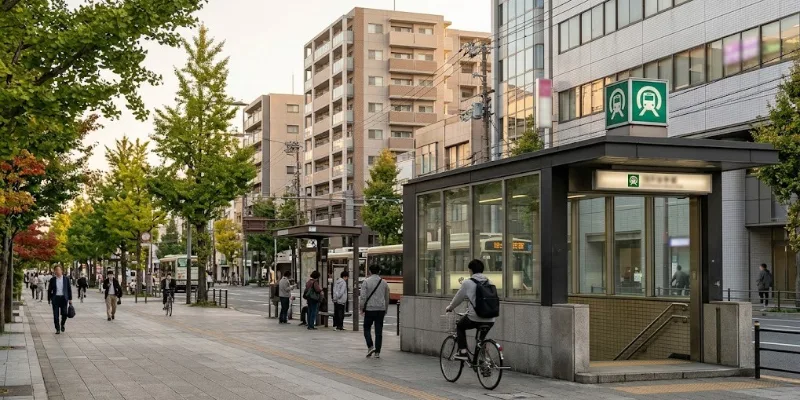
What Is Each Section of the Karasuma Line Like?
North: Kokusaikaikan to Kitaoji
This is the quietest and greenest part of the line. Kokusaikaikan is the northern terminal, next to the Kyoto International Conference Center and surrounded by hills. Matsugasaki is about an 8-minute walk from the Kyoto Institute of Technology. Kitayama sits beside the Kyoto Botanical Gardens and has stylish cafes and bakeries. Kitaoji has a large bus terminal, a shopping complex above the station, and Otani University right outside exit 6. Browse current Kita-ku listings to see what is available.
Center-north: Kuramaguchi to Marutamachi
Imadegawa is the main stop for Doshisha University’s Imadegawa Campus, which is about a 1-minute walk from the station. Our Doshisha University student housing guide explains housing options in detail. Marutamachi sits next to the Kyoto Imperial Palace park, a huge open space that is great for running and cycling. Kuramaguchi is a calm residential area between the two. Rent here is a little higher than in the north, but you are within walking or cycling distance of downtown.
Downtown: Karasuma Oike to Gojo
This is central Kyoto. Karasuma Oike and Shijo are surrounded by offices, department stores and the Nishiki Market area. Shijo also connects to Hankyu’s Karasuma Station, with direct trains to Osaka. Gojo is quieter and slightly cheaper while still being close to everything. This section suits professionals and anyone who wants to walk to restaurants and shops.
South: Kyoto Station to Takeda
Kyoto Station is the city’s transport hub, with JR lines, the Shinkansen and airport buses. Kujo and Jujo are residential areas just south of the station. Kuinabashi is one of the two nearest stations to Ryukoku University’s Fukakusa Campus, and the station carries a “Ryukoku University” sign. Takeda is the southern end, where some trains continue on the Kintetsu Line to Nara. For Fushimi and the south side, see our guide to budget student rooms near Kyoto.
Which Karasuma Line Station Is Best for You?
Ready to compare real listings along the line? Start with the areas below.
Students at Doshisha: Imadegawa or Kuramaguchi
You can walk to class from either station. Studios cost about ¥61,000 to ¥62,000. For a cheaper option, live at Kitaoji and ride two stops.
Students on a tight budget: Kitaoji or Kokusaikaikan
These are the cheapest stations on the line, at about ¥45,000 to ¥51,000. Kitaoji also has the bus terminal and shopping, which makes daily life easy. Our guide to renting apartments in Kyoto as a student has more tips.
Office workers downtown: Marutamachi or Gojo
Both are one or two stops from Karasuma Oike and Shijo but cost less than the downtown stations themselves.
Commuters to Osaka: Shijo or Gojo
Shijo connects to the Hankyu Kyoto Line for Umeda. Gojo is one stop away and slightly cheaper.
Frequent travelers: Kyoto, Kuinabashi or Takeda
Kyoto Station has the Shinkansen and airport buses. Kuinabashi and Takeda are cheaper and only three or four stops away.
How Does the Karasuma Line Compare with the Tozai Line?
Kyoto has only two subway lines, and they meet at Karasuma Oike. The Karasuma Line runs north to south. The Tozai Line runs east to west, from Uzumasa Tenjingawa in the west through Sanjo Keihan, near Gion, and on toward Yamashina in the east.
For most renters, the Karasuma Line is the more useful of the two. It reaches Kyoto Station, the Hankyu Line at Shijo and the northern university areas. The Tozai Line is better if you work or study in the east of the city, or if you want quick access to Gion and the Keihan Line.
A good compromise is to live near Karasuma Oike. From there, you can ride either line without changing stations, although rent is higher than at most other stops.
What Are the Downsides of Karasuma Line Apartments?
Only one direction. The Karasuma Line runs north to south only. To go east to Gion or west to Arashiyama, you will need a bus, the Tozai Line or a bike.
Tourist crowds downtown. Kyoto Station, Shijo and Karasuma Oike can be very busy during cherry blossom and autumn leaf seasons.
Older buildings in the north. Many cheap studios near the universities are older and small. Check insulation, as Kyoto winters are cold and summers are humid. Our apartment viewing checklist helps.
Competition in spring. Student areas fill fast between January and March. Start your search early.
How Do You Rent Karasuma Line Apartments as a Foreigner?
- Choose by campus or workplace first. Then pick the cheapest station within a short ride.
- Consider a bicycle. Kyoto is flat in the center, and many residents combine the subway with a bike.
- Look for foreigner-friendly listings. Arealty marks listings that accept international tenants.
- Prepare your documents. Students should read our guide to student visa apartment screening.
- Budget for move-in costs and a guarantor. See our apartment move-in cost guide and apartments in Japan with no guarantor.
Frequently Asked Questions
Is the Karasuma Line good for living in Kyoto?
Yes. Karasuma Line apartments give you fast, traffic-free access to Kyoto Station, downtown Shijo and several universities. The whole line takes about 26 minutes from end to end.
What is the cheapest station on the Karasuma Line?
Kokusaikaikan is the cheapest, at about ¥44,800 for a studio. Kitaoji is also low, at about ¥50,600, and has better shops and bus links.
Which Karasuma Line station is closest to Doshisha University?
Imadegawa Station is the closest stop for Doshisha’s Imadegawa Campus. The campus is about a 1-minute walk from the station.
Does the Karasuma Line go to Osaka?
No, but you can change at Shijo to the Hankyu Kyoto Line for Osaka-Umeda. You can also change at Kyoto Station for JR trains to Osaka.
Does the Karasuma Line go to Nara?
Some trains run through from the Karasuma Line onto the Kintetsu Kyoto Line at Takeda and continue toward Nara.
Find Karasuma Line Apartments with Arealty
Arealty lists foreigner-friendly apartments along the Karasuma Line, from student studios near Kitaoji to downtown homes near Karasuma Oike. Every listing is in English, and our team helps with applications, guarantor companies and contracts.
- Browse all apartments for rent on Arealty
- Start your search on Arealty
- Compare more areas: best areas to live in Kansai and student housing in Japan
Tell us your station, budget and move date, and our bilingual team will send matching options.
About this guide
This guide was written by Lucy Nguyen, Marketing Specialist at Arealty, using station-level rent data and official university access information. Rent and train details change, so check current listings before you decide.
Sources
- LIFULL HOME’S: Kyoto City Subway Karasuma Line rent by station
- Wikipedia: Karasuma Line
- Kyoto Institute of Technology: Open Campus 2025 access guide
- Otani University access information (Univpress)
- Kawaijuku Keinet: Doshisha University campus access
- Ryukoku University: station signage at Kuinabashi (press release)