
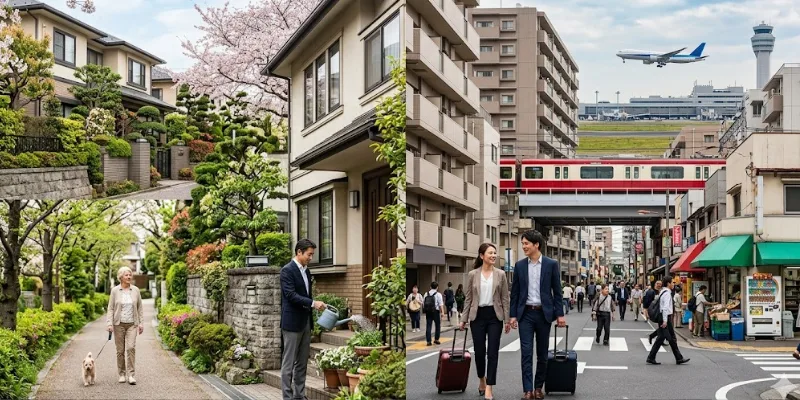

Ota apartments for rent for foreigners cover two very different markets in the same ward. Ota-ku stretches from Denenchofu — Tokyo’s wealthiest traditional garden suburb — south to Haneda International Airport, with a wide band of mid-range residential neighbourhoods in between. The ward is significant for foreign renters for one reason above all others: Haneda Airport access. For international residents who travel frequently, or who value the option to leave Japan quickly, Ota-ku’s 15-minute Keikyu Line connection to Haneda is a genuine lifestyle differentiator.
This guide covers Ota-ku as a rental destination for foreign residents. For Denenchofu’s sister areas in Setagaya, see the Setagaya guide. For comparative ward data, see the average rent guide. Browse Ota apartments for rent on Arealty.
Ota Apartments for Rent Tokyo: Two Markets for Foreign Renters
Ota-ku’s rental market divides clearly into two distinct segments for foreign renters.
Premium segment (Denenchofu and Senzoku): Tokyo’s garden suburb tradition, developed in the 1920s on English garden city principles. Wide circular streets, large plots, preserved greenery, and some of the highest residential land values in Tokyo. Foreign residents here are typically senior executives or diplomatic families with budgets of ¥200,000–¥400,000/month for family-sized units.
Value-to-mid segment (Kamata, Omori, Yukigaya): The Keikyu and Tokyu lines corridor connecting Yokohama and central Tokyo, with Haneda Airport 15 minutes south. 1K apartments from ¥72,000–¥95,000/month. This segment appeals to foreign renters who want Tokyo access with Haneda proximity at mid-range rents — airline industry employees, frequent business travelers, and renters who value airport access as a quality-of-life factor.
Ota Apartments for Rent Tokyo: Denenchofu, Kamata, Omori
Denenchofu — Prestige Garden Suburb
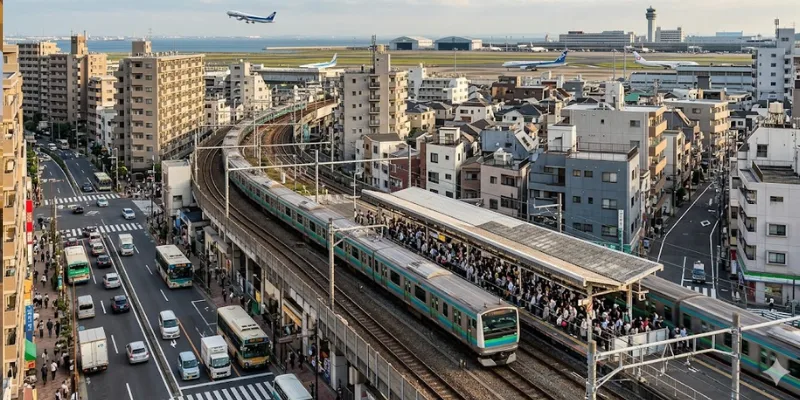
Denenchofu is one of the most recognisable addresses in Japan — a planned garden suburb of circular tree-lined streets modelled on Hampstead Garden Suburb in London, developed in the early 20th century. The area has retained its low-rise, large-plot character while becoming home to some of Tokyo’s most expensive residential real estate.
1LDK rents in Denenchofu: ¥150,000–¥220,000/month. 2LDK for families: ¥250,000–¥400,000+. The Tokyu Toyoko Line reaches Shibuya in 15 minutes. For comparison with the adjacent Setagaya ward, the Den-en-toshi Line guide covers the broader south-western Tokyo residential corridor.
Kamata — Value Hub with Strong Transit
Kamata Station is served by the JR Keihin-Tohoku Line and the Tokyu Ikegami Line — a practical commuter hub at the ward’s northern end. The commercial area around the station is dense and well-serviced. 1K rents in Kamata: ¥72,000–¥92,000/month. The Keihin-Tohoku Line provides direct access to Akihabara (20 minutes) and Tokyo Station (25 minutes).
Omori — Mid-Range Residential Belt
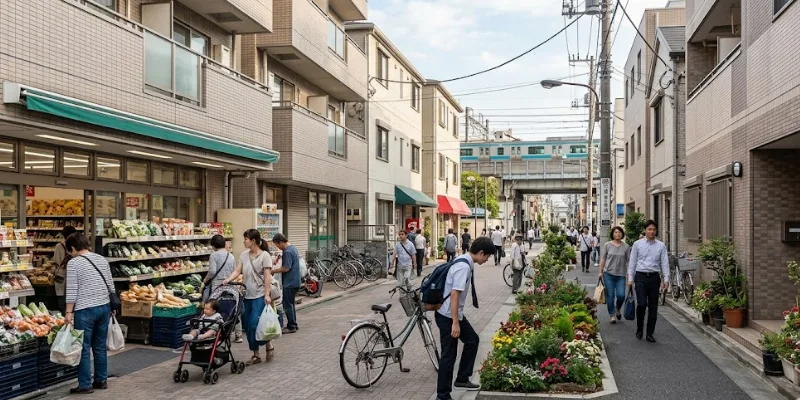
Omori sits between Kamata and Haneda along the Keihin-Tohoku Line. The neighbourhood has a mixed residential-commercial character, with good supermarket access and a quieter street environment than Kamata. 1K rents: ¥75,000–¥96,000/month. Omori is a consistent recommendation for foreign renters who need JR Keihin-Tohoku access and want Haneda proximity at mid-range rents.
Haneda/Heiwajima — Budget Airport Adjacent
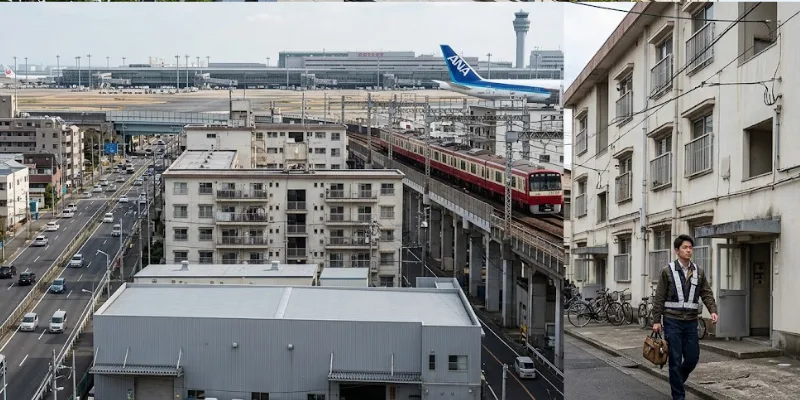
The immediate Haneda and Heiwajima area (served by the Keikyu Line) represents the lowest-rent option in Ota-ku. 1K from ¥65,000–¥82,000/month. The area is industrial in character at street level and primarily relevant for airline and airport industry workers who prioritise gate proximity over neighbourhood quality.
Rent by Unit Type — 2026 Data
| Unit type | Denenchofu | Kamata/Omori | Haneda/Heiwajima |
| 1K (18–25 sqm) | ¥100,000–¥145,000 | ¥72,000–¥96,000 | ¥65,000–¥82,000 |
| 1LDK (35–50 sqm) | ¥148,000–¥215,000 | ¥90,000–¥120,000 | ¥78,000–¥98,000 |
| 2LDK (50–70 sqm) | ¥238,000–¥360,000 | ¥120,000–¥162,000 | ¥98,000–¥128,000 |
| 3LDK (70–100 sqm) | ¥320,000–¥500,000+ | ¥155,000–¥210,000 | — |
Ota-ku 1K median: ¥88,000/month across the full ward — but this masks the Denenchofu/Kamata split. For the full 23-ward comparison, see the average rent guide. For current listings, browse Ota apartments for rent on Arealty.
Foreigner Acceptance in Ota-ku
Foreigner acceptance in Ota-ku is moderate and sub-area dependent. Denenchofu has high acceptance — the ward’s international tradition and the management companies serving it have foreign tenant experience. Kamata and Omori are moderate. Haneda area is lower, with older building stock.
- Work visa / Spouse visa: accepted widely across all Ota-ku sub-areas
- Student visa: accepted with documentation in Kamata and Denenchofu areas
- Working Holiday visa: accepted at moderate rates — Kamata has the most WH-accepting landlords in the ward. See the WH guide
- Tourist visa: monthly mansion available near Kamata and Omori stations
Ota Apartments Tokyo: Haneda Access for Foreign Renters
Haneda International Airport sits at the southern tip of Ota-ku, directly accessible by the Keikyu Line. From Kamata Station, Haneda is 12 minutes, Omori, 15 minutes, Denenchofu, 20 minutes by car or 25 minutes by train.
For foreign residents who travel internationally 4–8 times per year or more, this proximity has a concrete quality-of-life value. Early morning departures — common for Asia-Pacific business travel — do not require taxi or overnight hotel when you live 15 minutes away. The same logic applies to receiving international visitors.
Narita Airport is accessible via the Keikyu-Asakusa Line to Asakusa, then Narita Sky Access or Narita Express, totalling approximately 90 minutes from most Ota-ku locations.
Commute from Ota-ku
| Destination | From Kamata | From Omori | From Denenchofu |
| Shibuya | 18 min (Tokyu Ikegami Line) | 22 min | 15 min (Toyoko) |
| Shinagawa | 8 min (Keihin-Tohoku) | 5 min | 18 min |
| Tokyo Station | 22 min (Keihin-Tohoku) | 18 min | 28 min |
| Haneda Airport | 12 min (Keikyu) | 15 min | 22 min (car) |
| Yokohama | 18 min (Keihin-Tohoku) | 15 min | 20 min (Toyoko) |
The Keihin-Tohoku Line from Kamata/Omori provides direct access to Shinagawa — Tokyo’s fastest-growing business district — in 5–8 minutes. For foreign renters commuting to the Shinagawa tech/corporate corridor, Ota-ku’s combination of mid-range rents and Shinagawa proximity outperforms most alternatives.
The Rental Process
Standard Tokyo process. Documents: residence card (在留カード), income proof, bank statements, guarantor company.
Move-in costs for an ¥85,000/month Ota-ku apartment:
| Fee | Typical amount |
| Security deposit | ¥85,000–¥170,000 (1–2 months) |
| Agency fee | ¥93,500 incl. tax — Arealty charges zero |
| First month’s rent | ¥85,000 |
| Guarantor fee | ¥30,000–¥50,000 |
| Fire insurance | ¥15,000–¥18,000 |
| Total upfront | ¥305,000–¥416,000 |
For the full application process, see the foreigner rental guide. For listing photos that may not reflect actual unit condition, see why apartment photos in Japan can differ.
Browse Ota-ku apartments for rent on Arealty — foreigner acceptance confirmed, zero agency fees.
Who Should Rent Ota Apartments as a Foreigner in Tokyo
Strong fit:
- Airline employees and aviation industry workers at Haneda
- Business travelers and frequent flyers who value Haneda proximity
- Corporate relocation renters targeting the Shinagawa corridor at sub-Minato rents
- Premium renters seeking Denenchofu garden suburb character
- Renters commuting to Yokohama who want Tokyo-side accommodation
Consider alternatives if:
- Primary commute is west (Shinjuku, Shibuya) — Setagaya’s Sangenjaya is more efficient
- Budget is under ¥70,000/month for a decent 1K — outer northern wards (Kita, Itabashi) offer better value
- You want a large international community — Minato or Toshima have higher foreign resident concentration
Further Reading
- Setagaya apartments for rent — Denenchofu’s sister wards
- Den-en-toshi Line apartments — south-western Tokyo corridor
- Kanagawa apartments for rent — Yokohama/Kawasaki alternative
- Average apartment rent in Tokyo — 2026 ward data
- Renting in Japan as a foreigner — full process guide
- 1K apartments in Tokyo — Ota-ku in ward comparison

Real estate advisor at Arealty Japan, specialising in helping foreign residents navigate the Tokyo and Osaka rental markets. Lucy has guided hundreds of international renters — from Working Holiday visa holders to corporate relocations — through Japan’s apartment application process. Her writing draws on firsthand experience with landlord screening, guarantor companies, and foreigner-friendly listings across all 23 Tokyo wards and major Kansai cities.






Leave a Reply