


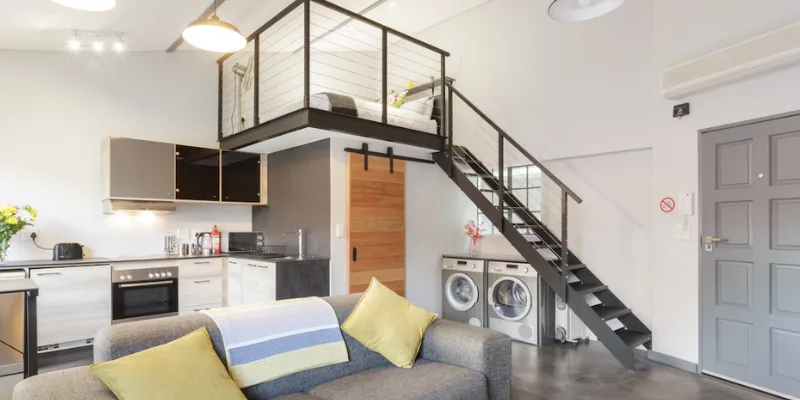
Loft apartments are a unique architectural feature in the Japanese real estate market, offering a vertical solution to the limited floor space common in urban centers. These units, typically categorized as 1K or 1DK layouts, feature a raised platform intended for sleeping or storage. While they provide a stylish aesthetic and extra square footage, several Pitfalls of renting a loft apartment Japan exist that can significantly impact the living experience of expatriates. Understanding these challenges is essential for anyone searching for apartments in japan to ensure their housing choice aligns with their lifestyle and budget.
The Reality of Loft-Specific Environmental Challenges
Thermal Dynamics and Heat Retention
Heat naturally rises due to the laws of thermodynamics, making the loft area the warmest part of the unit during the summer months. This phenomenon is particularly intense in Japan where humidity levels often exceed 80$, leading to an uncomfortable sleeping environment if proper ventilation is not maintained. Tenants frequently find that the main air conditioning unit, usually located at a lower level, fails to cool the loft effectively. You must invest in additional cooling equipment such as industrial-grade circulators, high-efficiency fans, or specialized dehumidifiers to regulate the temperature.
The energy consumption of an air conditioner increases significantly if the unit must run at maximum capacity to reach the elevated loft space. Residents often experience high utility bills during July and August because the loft retains heat long after sunset. This environmental factor makes loft apartments less desirable for individuals who are sensitive to heat or those who work from home during the day.
Airflow and Ventilation Constraints
Poor airflow is a recurring issue in compact japan tokyo apartment rent options. Lofts are often tucked into corners with minimal window access, preventing cross-ventilation. This lack of movement leads to stagnant air and potential moisture buildup. Mold growth is a common consequence of poor ventilation in Japan, particularly during the “Tsuyu” (rainy season). You should inspect the corners of the ceiling for discoloration if you are viewing a property that has been vacant for several weeks.
Safety and Practicality Concerns with Elevated Spaces
The Hazards of Steep Ladders
Accessing the loft area requires the use of a ladder or a very steep set of “stair-boxes.” These ladders are often made of metal or thin wood and are positioned at a nearly vertical angle to save space. Navigating these structures is dangerous if you are carrying heavy items, wearing socks on slippery rungs, or attempting to descend in the dark. Many tenants eventually stop using the loft for sleeping because the nightly trek becomes a burden.
The risk of injury is a serious consideration for those looking at apartments in tokyo japan. Falls from loft ladders can result in significant medical expenses or physical trauma. Furthermore, moving furniture into the loft is nearly impossible due to the narrow clearance and weight limits of the platform. You should measure the weight capacity of the loft floor if you plan to use it as a heavy storage area.
Noise Pollution and Proximity
Noise insulation in many Japanese buildings, especially those constructed with wood (Mokuzou) or lightweight steel (S-zou), is often insufficient. If your loft is positioned against a shared wall, you will likely hear the movements or conversations of your neighbors. This issue is amplified in densely populated areas of Tokyo where buildings are constructed within centimeters of each other. Privacy is often compromised if the loft window faces directly into a neighboring unit or a busy street.
Financial Realities of the Japan Rental Market
The Burden of Hidden Initial Fees
The advertised monthly rent of a loft apartment is often deceptive because it does not include the substantial “initial costs” required to move in. In Japan, it is standard practice to pay several months of rent upfront. These fees include “Reikin” (Key Money), “Shikikin” (Deposit), and “Chukai Tesuryo” (Agency Fee). You can expect to pay between 4 to 6 times the monthly rent before receiving your keys if the landlord requires all standard Japanese fees.
Specific examples of these mandatory costs include:
- Guarantor Company Fees: A non-refundable fee paid to a company that acts as your financial co-signer.
- Fire and Renter’s Insurance: Mandatory coverage that must be renewed every two years.
- Lock Exchange Fees: A charge for replacing the cylinder of the front door to ensure security for the new tenant.
The Cost of Furnishing a Blank Slate
Most apartments in japan are rented entirely unfurnished. Unlike in many Western countries, a “standard” apartment in Japan usually lacks major appliances. Tenants are responsible for purchasing and installing their own refrigerators, washing machines, and even ceiling light fixtures. These expenses add a significant layer to the initial budget. You must also factor in the cost of “Shako Shomei” (parking certificates) or bicycle registration fees if you plan to own a vehicle.
Legal and Contractual Pitfalls for Foreigners
The Language Barrier in Lease Agreements
Lease agreements in Japan are complex legal documents written in highly technical Japanese (Keigo and legal terminology). Misunderstandings regarding the terms of the contract are frequent among foreigners who do not speak the language fluently. Clauses regarding “Early Termination” or “Contract Renewal Fees” (Koushin-ryo) can lead to unexpected financial penalties. You should always have a bilingual professional review the document before signing if you are unfamiliar with Japanese real estate law.
Move-Out Costs and Deposit Deductions
The process of moving out of an apartment in Japan is notoriously strict. Landlords often deduct a “Cleaning Fee” from the deposit regardless of how well the tenant maintained the property. In many cases, this fee is fixed in the contract and can range from $¥30,000$ to $¥60,000$ for a small loft. You may be charged for “restoration to original condition” if there are small scratches on the floor or discoloration on the wallpaper from cigarette smoke or cooking oils.
Structural Integrity and Building Age
Seismic Standards and Construction Types
The age of the building is a critical factor when considering apartment for rent japan. Buildings constructed before 1981 do not meet the “Shin-Taishin” (New Earthquake Resistance Standards). While lofts are more common in newer constructions, some older “Apato” (wooden apartments) have been retrofitted with lofts to increase their market appeal. These older structures often have poor insulation and are more susceptible to shaking during minor tremors.
Material Differences
The material used in construction affects both noise and temperature.
- Mokuzou (Wood): Cheapest rent but poorest insulation and soundproofing.
- S-zou (Steel): A middle ground, offering better durability than wood but still prone to noise.
- RC (Reinforced Concrete): Best for soundproofing and climate control, though rarely used for small loft-style units due to cost.

Strategies to Mitigate Rental Risks
Conducting a Thorough Physical Inspection
You should never sign a lease based solely on online photos or floor plans. Physical inspections are necessary to identify issues that are not visible in marketing materials. During a viewing, check the strength of the ladder and the stability of the loft railing. You should smell for mold or “dampness” in the storage areas if the apartment is on the first floor. Testing the water pressure and checking for signs of pest infestations (such as cockroach traps left by previous tenants) are also vital steps.
Detailed Financial Tabulation
Request a “Mitsumori” (Detailed Quote) that lists every single yen required for the move-in. This document should break down the monthly management fees (Kanri-hi), which cover the maintenance of common areas and trash disposal. You can negotiate the removal of certain optional fees, such as “Anti-bacterial room treatment,” if you are working with a flexible agent.
Verification of Utility Inclusions
Confirm which utilities are ready for use. While water and electricity are usually standard, some lofts in Tokyo use “Propane Gas” instead of “City Gas” (Toshi Gas). Propane gas is significantly more expensive and can double your monthly hot water bill. You should also verify if the apartment is “Internet Ready” (Hikari Fiber) or if you need to contract a provider separately, which can take weeks to install.
Expert Assistance with AREALTY
Navigating the complexities of the Japanese housing market is a daunting task for many expatriates. AREALTY serves as a specialized bridge for foreigners looking for high-quality apartments in tokyo japan. As a professional real estate entity, AREALTY focuses on transparency and linguistic support, ensuring that clients fully understand every clause of their lease agreement. Their expertise helps tenants avoid the common Pitfalls of renting a loft apartment Japan by providing curated listings that meet international safety and comfort standards.
Whether you are seeking a modern loft in Shibuya or a quiet 1K in Setagaya, AREALTY provides comprehensive support from the initial search to the final move-in inspection. They specialize in finding “Gaijin-friendly” landlords who do not require traditional key money, potentially saving you thousands of dollars in upfront costs.
Are you ready to find your perfect home in Japan without the stress of hidden fees and language barriers? Contact AREALTY today to receive a personalized consultation and a list of premium apartments tailored to your needs.
Conclusion
Renting a loft apartment in Japan offers a unique lifestyle, but it requires a high level of due diligence. The combination of environmental challenges like extreme summer heat and financial hurdles like high initial costs can make these units less “affordable” than they first appear. By prioritizing buildings with reinforced concrete construction and ensuring all contract terms are translated, you can enjoy the benefits of loft living while minimizing the risks.
Always remember that the best time to look for apartments in japan is during the off-peak seasons of May through August, as the “moving season” in March and April leads to higher prices and lower availability. You will have more leverage to negotiate rent or administrative fees if you search during these quieter months.

Real estate advisor at Arealty Japan, specialising in helping foreign residents navigate the Tokyo and Osaka rental markets. Lucy has guided hundreds of international renters — from Working Holiday visa holders to corporate relocations — through Japan’s apartment application process. Her writing draws on firsthand experience with landlord screening, guarantor companies, and foreigner-friendly listings across all 23 Tokyo wards and major Kansai cities.





Leave a Reply