


Top residential areas Tokyo 2026 are no longer just the most famous names on the map. In a more expensive market, foreign renters are weighing a more practical question: which area still makes sense after rent, apartment size, commuting, and everyday convenience are all considered together. This shift is one of the clearest patterns in 2026, as attention spreads beyond prestige districts toward locations that feel more balanced in cost and livability.
That is exactly why this guide looks beyond popularity alone. If you are comparing where to live tokyo as foreigner, searching for a foreigner friendly tokyo area, or trying to decide which district offers the best long-term value, the strongest choice is often the one that still works well after the move-in excitement is over.

What 2026 says about residential demand around Tokyo
The headline ranking is familiar. Yokohama, Omiya, and Kichijōji remain highly desirable, and major Yamanote Line stations continue to dominate the top tier. That part of the story has not changed very much.
The more important story sits underneath the top 10. In 2026, attention is spreading more clearly toward areas with stronger cost-performance. Stations such as Funabashi and Tsukuba gained momentum, while Tokyo’s northern wards also stood out because they offer a more convincing balance between access and housing cost.
For foreign renters, this matters because the old shortcut of “choose the most central district you can afford” works less well now. A more useful approach is to compare how an area performs across four things at the same time: commute, rent, local convenience, and apartment value.
A practical shortlist for foreign renters
Before going into detail, this is the quickest way to frame the market.
| Area | Best for | Main strength | Value profile |
| Kichijōji | Couples, families, long-term renters | Best overall balance | High, but strong lifestyle value |
| Shinagawa | Professionals, frequent travelers | Major transport power | Premium |
| Shinjuku | Singles, highly central routines | Extreme connectivity | Premium and intense |
| Kita-ku | Value-focused renters, families | Good access with lower pressure | Strong |
| Itabashi-ku | Families, practical commuters | Cost-performance inside Tokyo | Strong |
| Nerima-ku | Families, slower-paced renters | Residential calm with access | Strong |
| Toshima-ku | Renters wanting Ikebukuro access | Urban convenience with flexibility | Mid to strong |
Kichijōji still leads as the safest all-round recommendation. Tokyo North is becoming harder to ignore. Shinagawa and Shinjuku still make sense, but only when that level of central access is genuinely useful every day.
1LDK rent snapshot: how the main areas compare in 2026
The 2026 story becomes much easier to understand once rent enters the picture. Looking at 1LDK pricing helps show where prestige is still dominant and where value is starting to feel more convincing.
| Area | 1LDK rent snapshot | What it suggests |
| Kichijōji | ¥134,700 | High, but still easier to justify because the area performs well across lifestyle, greenery, and convenience |
| Shinagawa-ku | ¥156,100 | Strong transport access, but a clear premium once couples or long-term renters need more than a compact unit |
| Shinjuku-ku | ~¥187,400 | Centrality stays expensive even before moving into the most desirable micro-locations |
| Toshima-ku | ~¥143,900 | Useful middle ground for renters who want urban access without paying full Shinjuku-level pricing |
| Kita-ku | ~¥118,100 | One of the clearest Tokyo North value cases for renters wanting access plus lower pressure |
| Itabashi-ku | ~¥113,200 | Strong cost-performance inside Tokyo, especially for longer-term renters and families |
| Nerima-ku | ~¥111,600 | One of the more attractive options when residential calm matters more than prestige |
This comparison sharpens the 2026 pattern. Shinagawa-ku and Shinjuku-ku still make sense when centrality is the priority, but Kita-ku, Itabashi-ku, and Nerima-ku look much stronger when the goal is overall livability rather than headline status.
That is also why “Tokyo North” feels more important this year. It is no longer just the cheaper alternative. It is increasingly a serious residential choice in its own right.
Kichijōji: still the strongest balance in greater Tokyo
Kichijōji continues to perform well because it avoids the main trade-offs that weaken other desirable districts. It gives renters shopping, parks, food, culture, and a strong station area without forcing them into an environment that feels too commercial or too hectic.
That balance is what keeps it relevant across renter types. Couples can build a daily routine there easily. Families gain access to greenery and neighborhood comfort. Long-term renters get a district that still feels enjoyable after the initial excitement of moving is over.
Another reason Kichijōji stays strong is that it rarely feels one-dimensional. Some Tokyo neighborhoods are excellent for commuting but dull to live in. Others are stylish but stressful. Kichijōji manages to feel both useful and pleasant, which is much harder to replicate than it sounds.
As an answer to best place to stay tokyo for long-term renters, Kichijōji still comes very close to the ideal. It is not cheap, but it remains one of the easiest premium areas to justify.
Tokyo North: the most important 2026 shift
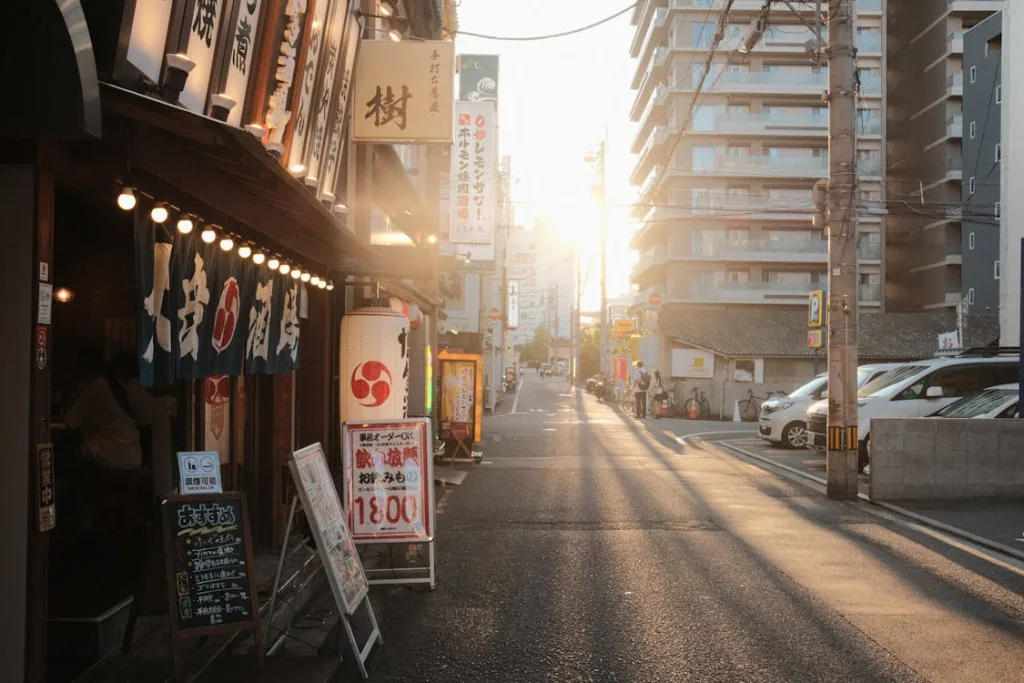
One of the clearest developments in the 2026 ranking is the rise of Tokyo North. Wards such as Kita-ku, Itabashi-ku, Nerima-ku, and Toshima-ku are gaining attention because they combine good rail access with lower housing pressure than many premium central districts.
This is not just a rent story. These wards also benefit from strong everyday infrastructure. Access into the urban core is reliable, but local life does not feel stripped down. Shopping streets, neighborhood services, and well-used public facilities help these areas feel complete rather than merely affordable.
Kita-ku and Itabashi-ku
Kita-ku and Itabashi-ku stand out because they offer some of the strongest cost-to-access ratios inside Tokyo. Both connect well through Ikebukuro and multiple JR, subway, and private rail options. At the same time, housing cost remains more manageable than in higher-status central wards.
They also feel rooted. Local shopping streets are not decorative details here. They are part of daily convenience and neighborhood identity. That matters more than many renters expect when they first shortlist by station name alone.
Nerima-ku
Nerima works for renters who want Tokyo access without central pressure. It tends to appeal to families and people who want a quieter home base. The pace feels slower, and that can be a major advantage for renters planning to stay longer.
Toshima-ku
Toshima is a different kind of Tokyo North choice. Its main strength is access to Ikebukuro and the wider transport network around it. This makes it especially useful for renters who still want strong city movement but are not committed to the higher cost of better-known prestige districts.
For anyone building an Apartment hunting checklist Japan, Tokyo North deserves a high priority. It is one of the clearest examples of how 2026 renter logic is changing.
[Image: Tokyo North comparison chart with access, rent value, and daily amenities]
Shinagawa and Shinjuku: powerful, but not automatic
Shinagawa and Shinjuku remain strong because they solve movement immediately. Few places in the region rival them on pure transport logic. That still matters, especially for professionals, frequent travelers, and renters whose routines depend on major station networks.
Shinagawa
Shinagawa is one of the most functional locations in the wider Tokyo market. It works especially well for professionals with heavy train use, business travel, or airport access needs. The district remains a strong choice when mobility is central to daily life.
At the same time, Shinagawa is rarely chosen for warmth or neighborhood charm. It delivers efficiency first. That is a major strength, but also a limit. Renters who do not truly need that level of transport power may find better lifestyle value elsewhere.
Shinjuku
Shinjuku offers almost unmatched connectivity, and that keeps it attractive in every ranking cycle. For singles or highly central renters, it can still make sense. The problem is that centrality comes bundled with intensity. Crowds, pace, noise, and rent pressure are all part of the package.
That is why Shinjuku works best when the location is not just attractive, but necessary. Many renters who initially assume it is the best tokyo neighborhood expat option later discover that being near Shinjuku is enough. Living directly in it is often more compromise than upgrade.
How to choose the right Tokyo area as a foreign renter
A more useful method is to sort yourself first, then shortlist districts.
Central access should lead the search for professionals with fixed office routines or heavy travel. Shinagawa, Shinjuku, and Toshima-ku make the most sense in that case.
Balance matters more for couples, families, and long-term renters. Kichijōji, Kita-ku, Itabashi-ku, and Nerima-ku usually offer stronger long-term trade-offs.
Value becomes more important when budget pressure is high or apartment size matters more than prestige. This is where Tokyo North and commuter alternatives such as Funabashi become much more compelling.
The question where to live tokyo as foreigner is not really asking for one perfect district. It is asking how to match rent, commute, and daily comfort with the life you are actually building.
A foreigner friendly tokyo area is usually not defined only by English support. In practice, it tends to be an area with realistic housing stock, manageable rent pressure, strong access, and daily infrastructure that makes adjustment easier.
Rent pressure is shaping residential desirability more directly
One of the clearest 2026 signals is that affordability is now influencing desirability much more openly. Renters are still attracted to convenience and name recognition, but housing-cost pressure is pushing them to evaluate trade-offs more carefully.
That affects foreign renters in a very direct way. It is no longer enough to ask whether an area is popular. A better question is whether it still makes sense after apartment size, commute time, and everyday costs are added together.
For example, a central 1LDK may look attractive on paper, but the same budget in Kichijōji or parts of Tokyo North may buy a better unit and a calmer lifestyle. This does not make central districts a bad choice. It simply makes them less automatically correct.
Apartment hunting checklist Japan: what to confirm before choosing an area
A practical apartment hunting checklist Japan for neighborhood choice should include:
| What to check | Why it matters |
| Commute route and transfer count | Direct access affects daily energy more than many renters expect |
| Average rent and likely apartment size | Some areas charge prestige prices for smaller units |
| Shopping, healthcare, and local services | Daily convenience shapes real comfort |
| Community feel and street atmosphere | Long-term livability depends on rhythm, not just transport |
| Lease fit and renter type | Some areas work better for families, others for singles or couples |
This is where many renters improve their decision-making dramatically. Instead of asking which area sounds best, they start asking which area still works after ordinary life begins.

How Arealty helps foreign renters choose the right Tokyo area
Arealty helps foreign renters compare neighborhoods based on actual fit, not just reputation. That means looking at central prestige, practical balance, and cost-performance as distinct categories rather than one messy shortlist.
For renters trying to narrow down top residential areas Tokyo 2026, that kind of structure matters. Kichijōji, Tokyo North, and commuter-edge alternatives do not compete for the same renter in the same way. The right answer depends on routine, budget, and the type of apartment you realistically need.
The same applies to renters searching for a best tokyo neighborhood expat option or a genuinely foreigner friendly tokyo area. Arealty helps make the trade-offs clearer before you commit to a district that may look good on a map but fit badly in real life.
Need help narrowing down the right area?
Arealty can help you compare neighborhood types, shortlist realistic rental zones, and choose a location that fits your commute, budget, and apartment goals.
Final takeaways
Kichijōji remains the strongest all-round choice for renters who value balance, while Tokyo North has become one of the clearest signs of how 2026 is shifting toward stronger cost-performance. Shinagawa and Shinjuku still hold their appeal, but their value now depends much more on whether that level of central access is truly necessary for your routine. In the end, the top residential areas Tokyo 2026 are not simply the most famous names, but the places that continue to make sense once rent, connectivity, and daily life are considered together.

As a real estate professional with 10 years of living and working in Japan, I write from the intersection of property expertise and lived experience. My perspective is rooted not only in an understanding of the Japanese rental market, but also in the nuances of building a life here as a foreigner, where practical decisions often carry personal meaning.
I see a home as more than a place to stay. It is part of how we move through the city, shape our routines, and create a sense of ease in everyday life. That is why my writing goes beyond surface-level advice, offering guidance that is informed, considered, and attuned to both lifestyle and reality. My goal is to make renting in Japan feel less overwhelming, more intentional, and ultimately more human.





Leave a Reply