


Living in Japan offers a unique cultural experience, but residents must prioritize safety due to the country’s high seismic activity. Understanding the Earthquake safety procedure apartment Japan is a fundamental requirement for every expatriate. When you secure apartments in Japan, your safety depends on immediate, calculated actions and pre-emptive structural knowledge.
This guide provides precise, actionable protocols for residents living in apartments in Tokyo Japan and other major urban centers. By following these professional standards, you ensure the highest level of protection for yourself and your property.
Immediate Earthquake Safety Procedure Apartment Japan
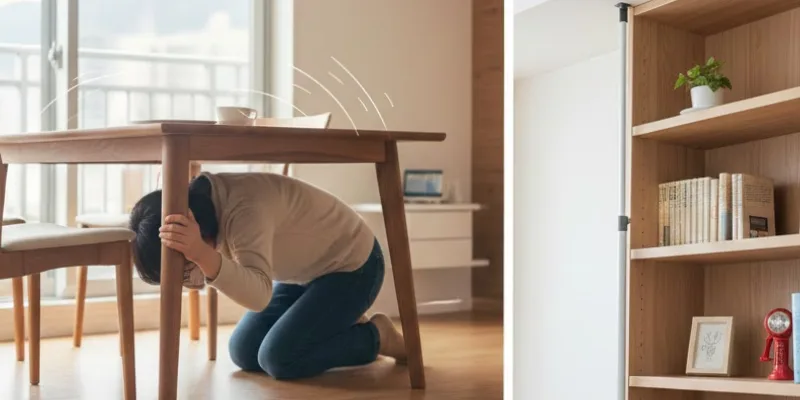
The moments during an earthquake are critical. You must remain calm and execute the “Drop, Cover, and Hold On” maneuver to minimize the risk of injury from falling objects or structural shifting. Professional disaster prevention agencies emphasize that mental preparation allows for faster physical response times.
Interior Safety Protocols
If you are inside your apartment for rent Japan when shaking begins, move away from windows and heavy furniture immediately. Do not attempt to run outside, as falling debris from building facades poses a significant threat.
- Drop: Get down on your hands and knees to prevent being thrown to the ground by the shaking.
- Cover: Seek shelter under a sturdy table or desk to protect your head and torso from falling objects.
- Hold On: Grip the furniture leg to stay covered until the shaking stops completely.
If you are in bed, stay there and protect your head with a pillow. Moving in the dark or during intense shaking often leads to injuries from broken glass or overturned items. Wait until the vibration ceases entirely before attempting to move to another room or check on other occupants.
Managing Utilities and Fire Risks
Fire is the most significant secondary hazard following an earthquake in Japanese urban areas. If you are near a kitchen or heating appliance, extinguish all flames only if it is safe to do so. Modern apartments in Tokyo Japan are equipped with intelligent gas meters (Intelligent Meter) that automatically shut off gas flow when they detect seismic waves of a certain intensity (usually Shindo 5 or higher).
After the shaking stops, check your gas appliances. If you smell gas, do not turn on any lights or use electrical switches, as a single spark can cause an explosion. Open the windows to ventilate the area and turn off the main gas valve.
Structural Standards for Apartments in Japan
Japan enforces some of the strictest building codes in the world to ensure that apartments in Japan withstand major seismic events. Understanding these standards helps tenants evaluate the safety of their potential homes and provides peace of mind during minor tremors.
Shin-Taishin vs. Kyu-Taishin
The Building Standard Act was significantly revised in 1981, marking a major shift in construction philosophy.
- Shin-Taishin (New Earthquake Resistance Standard): This applies to buildings constructed after June 1981. These structures are designed to resist earthquakes of Shindo 6-7 without collapsing, ensuring the safety of occupants even in catastrophic events.
- Kyu-Taishin (Old Earthquake Resistance Standard): This applies to buildings constructed prior to June 1981. While many have been retrofitted, they were originally designed for lower seismic thresholds.
When searching for a japan tokyo apartment rent, it is statistically safer to prioritize buildings constructed under the Shin-Taishin regulations. Many high-quality apartments in Tokyo Japan now even exceed these national requirements through voluntary corporate standards.
Advanced Seismic Technologies
High-rise apartments in Tokyo Japan often utilize specialized engineering to dissipate energy and reduce the physical impact on the structure. These technologies are categorized into three main types:
- Taishin (Seismic Resistance): The structure is reinforced with extra-strong beams, columns, and walls to withstand shaking through sheer strength.
- Seishin (Seismic Damping): Shock absorbers or dampers are installed between floors to soak up kinetic energy, reducing the sway of the building.
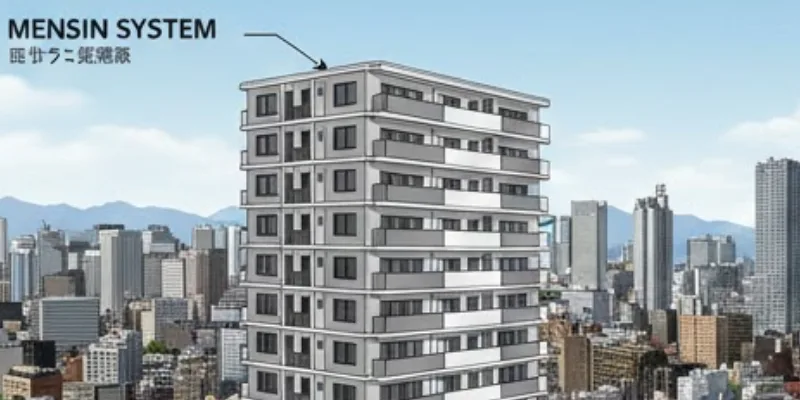
- Menshin (Seismic Isolation): This is the most advanced method. The building sits on lead-rubber bearings that decouple the structure from the ground movement, allowing the ground to move while the building remains relatively still.
Residents in Menshin-equipped buildings will feel a slow, swaying motion rather than sharp jolts during an earthquake. This technology is common in luxury apartments in Japan and critical infrastructure buildings.
Preparation Strategies for Residents
Preparation is the most effective way to reduce anxiety and physical risk. Every resident in an apartment for rent Japan should maintain an emergency kit and secure their living space to prevent “secondary disasters” caused by falling furniture.
Securing Furniture and Heavy Items
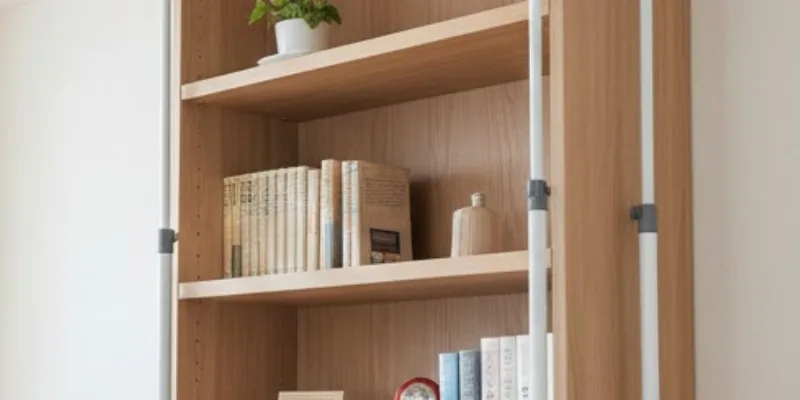
Unsecured furniture is a leading cause of injury during earthquakes. You must use tension rods (Pro-Fix) or L-shaped brackets to anchor heavy furniture (e.g., wardrobes, bookshelves, and refrigerators) to the walls or ceiling.
For residents in apartments in Tokyo Japan who cannot drill into walls due to lease agreements, there are several non-invasive options:
- Tension Rods (Tsuppari-bo): These create pressure between the top of the furniture and the ceiling.
- Adhesive Gel Pads: These are placed under smaller items like televisions or speakers to prevent them from sliding.
- Safety Latches: These keep cabinet doors closed so that dishes and glassware do not fly out during a tremor.
The 72-Hour Emergency Kit
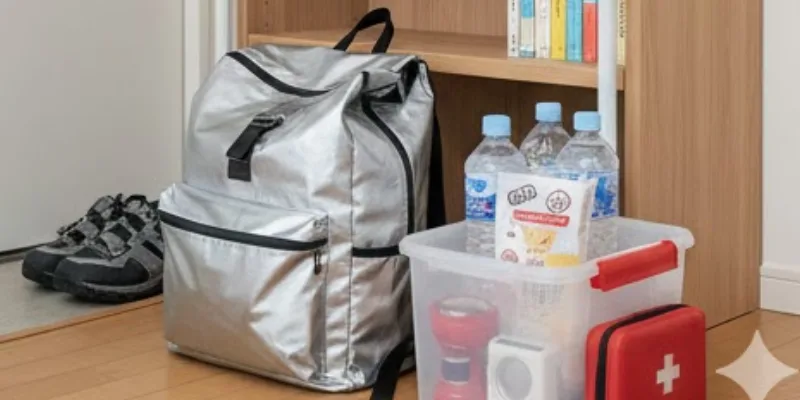
Public services may be disrupted for several days following a major event. You should prepare an “Emergency Grab Bag” that is easily accessible near your entrance. Ensure your kit contains the following essentials:
- Water: 3 liters per person per day for at least three days.
- Food: Non-perishable items like canned goods, energy bars, and instant rice that do not require cooking.
- Sanitation: Portable toilet sets, wet wipes, and disinfectant to maintain hygiene if water lines are cut.
- Communication: A crank-powered radio, extra mobile batteries (power banks), and a physical map of the local area.
- First Aid: Bandages, antiseptic, and a supply of personal prescription medications.
Post-Earthquake Procedures and Evacuation
Once the shaking ceases, the Earthquake safety procedure apartment Japan shifts to assessment and communication. It is vital not to rush outside immediately, as aftershocks are common and can cause further structural damage or falling glass.
Checking for Damage and Safety
Examine your apartments in Japan for structural cracks, gas leaks, or water pipe bursts. If you notice significant structural damage, such as large diagonal cracks in the concrete or a tilted floor, you should evacuate the building immediately.
Before leaving your apartment for rent Japan, always turn off the circuit breaker and the main gas valve. This prevents electrical fires from occurring when the power is eventually restored. Wear thick-soled shoes even inside the house to protect your feet from broken glass or debris.
Evacuation Sites and Hubs
You should only evacuate your building if there is an immediate threat of fire, a tsunami warning, or if local authorities issue an evacuation order. Tokyo and other cities designate specific Evacuation Sites (Hinanjo) (e.g., local primary schools, community centers, and large public parks) where residents can receive food, water, and medical assistance.
The Tokyo Metropolitan Government Disaster Prevention Map provides a detailed breakdown of these locations. You should familiarize yourself with the route from your japan tokyo apartment rent to the nearest shelter during daylight hours. Note that there are two types of sites:
- Temporary Evacuation Sites: Open spaces like parks to stay safe from fires.
- Evacuation Shelters: Buildings like schools where you can stay overnight and receive supplies.
Finding Your Safe Haven with AREALTY
Finding a safe, modern, and earthquake-resistant home requires professional expertise and a deep understanding of local geography. AREALTY is a premier real estate agency specializing in helping foreigners navigate the complexities of the Japanese housing market. We prioritize your safety by screening for high-quality apartments in Japan that meet or exceed modern seismic standards.
Professional Guidance for Foreign Residents
Moving to a new country is challenging, especially when considering natural disaster risks. AREALTY provides a bridge between international tenants and the Japanese property market. We don’t just find you a room; we find you a secure environment where you can thrive.
- Bilingual Support: We remove language barriers, ensuring you understand every clause of your lease and safety manual.
- Safety Audits: We provide detailed information on the seismic construction type of every apartment for rent Japan we list, distinguishing between Taishin, Seishin, and Menshin structures.
- Local Expertise: Our team identifies the safest neighborhoods in Tokyo, focusing on ground stability, elevation, and proximity to evacuation zones.
Tailored Real Estate Services
Whether you are looking for luxury apartments in Tokyo Japan or a practical japan tokyo apartment rent, AREALTY ensures your transition to Japan is secure and seamless. We analyze geological data to avoid areas prone to liquefaction or flooding, providing you with a data-driven choice for your next home.
[Ready to find your safe haven in Japan? Contact AREALTY today for a curated list of earthquake-resistant apartments tailored to your needs. Your safety is our primary mission.]
Understanding the J-Alert and Early Warning Systems
Japan operates the world’s most sophisticated Earthquake Early Warning (EEW) system. Managed by the Japan Meteorological Agency (JMA), this system detects the initial, faster-moving P-waves and sends alerts to mobile phones and broadcast stations before the more destructive S-waves arrive.
What to do when the Alert Sounds
The alert sound on a Japanese smartphone is distinct, loud, and designed to be heard even through sleep. You usually have between a few seconds to a minute to act if the epicenter is distant. Use this time to:
- Shut off any active stovetops or heaters.
- Unlock your front door to ensure an exit route is available if the frame warps during the quake.
- Seek cover immediately under a sturdy table if you are in a high-risk area.
Digital Resources for Foreigners
Foreign residents should download English-language safety applications (e.g., Safety Tips, NHK World-Japan, and NERV Disaster Prevention) to receive real-time updates and evacuation instructions. These tools provide localized information specifically for your apartments in Tokyo Japan and offer guidance on what to do during various types of emergencies.
Financial Protection: Earthquake Insurance
Standard fire insurance in Japan does not cover damage caused by earthquakes, tsunamis, or volcanic eruptions. When signing a lease for an apartment for rent Japan, it is highly recommended to opt for Earthquake Insurance (Jishin Hoken).
Coverage Details
This insurance is unique because it is backed by the Japanese government to ensure payouts even after a large-scale disaster. It provides a payout based on the degree of damage (Total loss, Large half-loss, Small half-loss, or Partial loss) to your personal belongings (e.g., electronics, furniture, and clothing).
For many apartments in Japan, this insurance is an optional but vital add-on to the mandatory fire insurance policy. The cost is determined by the construction material of the building and the geographic location.
Common Questions for Foreign Tenants
Is it safe to use the elevator after a quake?
No. Never use an elevator during or immediately after an earthquake. Most modern elevators in apartments in Tokyo Japan are equipped with seismic sensors that automatically stop the cab at the nearest floor; however, mechanical failure or power outages may trap you inside. Always use the stairs until a professional has inspected the elevator system.
Who is responsible for repairs after an earthquake?
The landlord is generally responsible for structural repairs to the japan tokyo apartment rent, such as fixed walls, windows, and flooring. However, damage to your personal property—such as a broken laptop or fallen television—is your responsibility unless you have earthquake insurance.
How do I find the Hazard Map for my area?
Every municipality in Japan provides a “Hazard Map” (Hazaado Mappu) illustrating areas prone to flooding, liquefaction, or landslides. You can access these at your local ward office (Kuyakusho) or via the Ministry of Land, Infrastructure, Transport and Tourism (MLIT) website. Understanding the soil quality under your apartments in Japan is crucial for long-term safety.
Conclusion
Securing a high-quality apartment for rent Japan is the first step toward a successful life abroad, but mastering the Earthquake safety procedure apartment Japan ensures your long-term security. By combining the structural integrity of modern apartments in Japan with personal readiness, you transform potential risks into a manageable, professional safety plan. Whether you occupy luxury apartments in Tokyo Japan or a standard japan tokyo apartment rent, staying informed and prepared allows you to enjoy the vibrant Japanese culture with total peace of mind.

Real estate advisor at Arealty Japan, specialising in helping foreign residents navigate the Tokyo and Osaka rental markets. Lucy has guided hundreds of international renters — from Working Holiday visa holders to corporate relocations — through Japan’s apartment application process. Her writing draws on firsthand experience with landlord screening, guarantor companies, and foreigner-friendly listings across all 23 Tokyo wards and major Kansai cities.



Leave a Reply