


Finding suitable apartments in Japan requires a clear understanding of the various construction styles available in the local market. For many foreigners relocating to major cities, the choice often falls between reinforced concrete (RC), steel frame (S), and wooden (Mokuzou) structures. While concrete buildings are common, the benefits of wood-frame construction Japan rental options offer a unique blend of affordability, traditional aesthetics, and environmental comfort that is particularly appealing to those seeking a balance between budget and lifestyle.
The Japanese rental market categorizes wood-frame construction as “Mokuzou.” These structures remain a staple of the residential landscape, especially in suburban areas and quiet residential neighborhoods within Tokyo. Understanding the technical specifications and structural advantages of these buildings is essential if you are searching for a japan tokyo apartment rent that fits your specific needs.
What is 木造 (Mokuzō)? Understanding the Concept
Mokuzō refers to a construction method where the primary structural load-bearing elements, such as posts and beams, consist of timber. This traditional Japanese building style has evolved significantly through modern engineering to provide safety and durability. When you look for apartments in Japan, “Mokuzō” typically indicates low-rise buildings, usually two to three stories high, which offer a more intimate living environment compared to massive high-rise complexes.
These buildings utilize various Natural Materials including Japanese Cedar (Sugi), Japanese Cypress (Hinoki), and Pine (Matsu) to create a sturdy framework. Unlike reinforced concrete which relies on mass and density, wood-frame construction rely on the flexibility and tension of organic fibers to support the structure. This fundamental difference in material leads to distinct living characteristics that define the “Mokuzō” experience for residents.
Core Characteristics of 木造 (Mokuzō) Apartments
wood-frame constructions possess specific traits that set them apart from other residential types in Japan. These characteristics influence everything from the indoor air quality to the overall “feel” of the home.
- Environmental Regulation: Wood is a hygroscopic material, meaning it naturally absorbs and releases moisture to balance indoor humidity.
- Aesthetic Warmth: Many units feature exposed wood grain and soft-textured flooring, providing a visual warmth that is difficult to replicate with industrial materials.
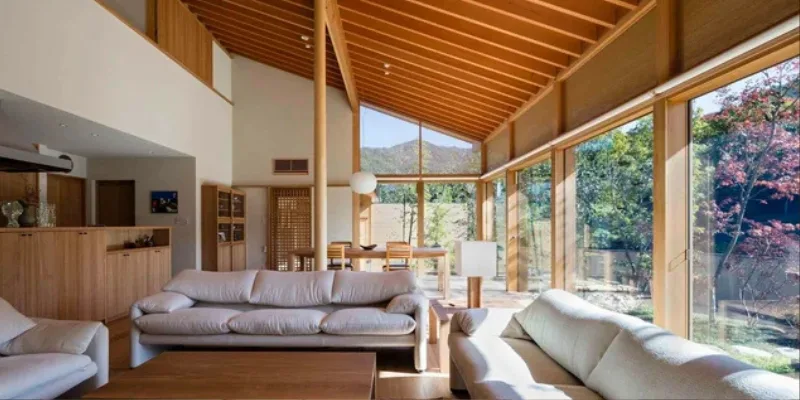
- Flexible Layouts: The post-and-beam construction allows for more open floor plans because it does not require thick internal load-bearing walls.
You will often encounter various Room Types such as 1R (Studio), 1K (Kitchen separated), and 1LDK (Living/Dining/Kitchen) when browsing wooden property listings. These layouts provide a sense of openness and are often more spacious than concrete units of the same price point.
The Financial Advantages of Choosing Wood-frame Construction Apartments in Japan
The primary reason many residents prioritize a wood-frame construction for rent Japan is the significant cost savings. Wooden buildings generally have lower construction costs compared to steel or concrete, and these savings are directly passed on to the tenant in the form of lower monthly rent and reduced initial fees.
Significant Savings on Monthly Rent
Rent for a wood-frame construction is generally 20% to 30% lower than a reinforced concrete unit in the same ward. You can save a substantial amount of money if you prioritize wooden structures over concrete high-rises. Below is a comparison of average monthly rents for a standard 1K (Studio) apartment in a popular residential area like Nerima Ward, Tokyo.
| Building Type | Average Monthly Rent | Management Fees | Total Estimated Cost |
| Wooden (Mokuzō) | 55,000 JPY | 3,000 JPY | 58,000 JPY |
| Steel Frame (S) | 68,000 JPY | 5,000 JPY | 73,000 JPY |
| Concrete (RC/SRC) | 82,000 JPY | 8,000 JPY | 90,000 JPY |
The difference of approximately 32,000 JPY per month results in an annual saving of nearly 384,000 JPY. These savings are substantial if you are an international student or a young professional starting a career in Japan.
Reduced Initial Costs
The initial financial burden of moving is often lower for wooden structures. Landlords frequently offer more competitive terms for apartments in Tokyo Japan that are built of wood to maintain high occupancy rates. You will likely find lower Initial Costs such as Security Deposits (Shikikin), Key Money (Reikin), and Guarantor Company Fees.
Saving several tens of thousands of yen at the start of a lease allows you to allocate your budget toward other Household Essentials including Beds, Desks, and Refrigerators. Many wooden properties also feature “Zero-Zero” plans (zero deposit and zero key money) to attract reliable tenants quickly.
Superior Breathability and Humidity Control
Japan is known for its distinct four seasons, including a very humid rainy season (Tsuyu) and a muggy summer. Wooden structures are naturally suited to this climate because of the organic properties of the timber.
Natural Humidity Regulation
Wood possesses a unique ability to regulate indoor moisture levels. It absorbs excess moisture when the air is humid and releases it when the air is dry. This natural regulation helps maintain an indoor humidity level of approximately 50% to 60%. This provides several health benefits:
- The living space feels significantly drier and more comfortable even during the peak of the rainy season.
- The risk of mold growth caused by condensation remains relatively low compared to airtight concrete rooms.
- The presence of natural wood scents creates a calming atmosphere that reduces stress.
Summer Comfort and Heat Dissipation
wood-frame construction tend to dissipate heat more effectively than concrete. Concrete acts as a thermal mass that traps heat during the day and radiates it back into the room late into the night. You will find that wooden rooms feel cooler in the evenings if there is adequate cross-ventilation. This natural cooling effect can reduce your reliance on air conditioning during the milder weeks of the summer season, leading to lower utility bills.
Spacious Layouts and Design Flexibility
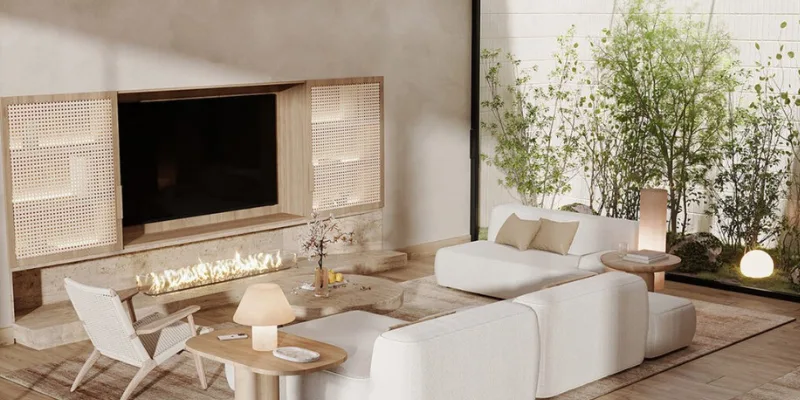
One of the structural benefits of wood-frame construction Japan rental properties is the flexibility of the interior space. Most wood-frame constructions utilize a framework that relies on vertical posts and horizontal beams rather than thick, immovable walls.
Open Living Spaces
Because the structure does not require as many internal supporting walls as concrete buildings, architects can design more open and versatile floor plans. This architectural freedom often results in:
- Larger living areas that feel more spacious than their actual square footage suggests.
- The inclusion of multiple windows that allow for better natural light and ventilation.
- A higher degree of freedom for interior modifications, allowing for modern, updated living environments.
Pet-Friendly Opportunities
Many landlords of wood-frame constructions in Japan are more lenient regarding pets to attract long-term tenants. You will have a higher chance of success if you search for wooden structures when looking for a japan tokyo apartment rent that allows cats or small dogs. These properties often provide a more “home-like” feel that is conducive to living with animals.
Addressing Challenges: Sound, Insulation, and Safety
While the benefits are numerous, it is important to address the common concerns associated with wooden buildings. Being informed about these factors allows you to make a proactive choice when browsing apartments in tokyo japan.
Sound Insulation Realities
The most frequently cited drawback of wood-frame constructions is their lower sound insulation. Technically, wooden structures offer about 10-15 dB less sound protection than reinforced concrete. You may hear Everyday Sounds such as Footsteps from above, Television audio, and Water running in pipes.
To mitigate this, you should look for specific Soundproofing Items such as Thick Area Rugs, Acoustic Wall Panels, and Sound-Dampening Curtains. You can significantly improve your living experience by choosing a corner room or the top floor if you are sensitive to noise.
Earthquake Resistance Standards
Many expats worry about the safety of wooden buildings during seismic activity. However, the safety of a wood-frame construction for rent Japan depends largely on its construction date. Japan updated its building codes significantly in June 1981 and again in June 2000.
| Construction Era | Safety Standard | Earthquake Performance |
| Pre-1981 | Old Standards | Higher risk of damage in major quakes. |
| 1981 – 2000 | New Standards | Designed to prevent collapse in Shindo 6-7. |
| Post-2000 | Enhanced Standards | Improved wall placement and metal reinforcements. |
You should prioritize buildings constructed after the year 2000 if you want the highest level of earthquake safety. These structures have a collapse rate of only about 2.2% even in extreme earthquake scenarios, according to historical data from major seismic events.
Strategic Selection: Room Positions
Your experience in a wood-frame construction will vary based on the position of the unit within the building. Each position offers a different balance of the benefits of wood-frame construction Japan rental.
- Corner Rooms: These are highly desirable because they share fewer walls with neighbors, which reduces noise interference. They also feature windows on two sides for maximum sunlight.
- Top Floor Rooms: These units eliminate the issue of overhead footsteps. You should check the roof insulation if you choose this option, as top floors can become warm in the summer.
- Middle Rooms: These are often the most affordable apartments in Tokyo Japan. They benefit from the “sandwich effect,” where the units above and below provide a degree of natural thermal insulation.
Featured Example: Newly Built Detached Wood-frame Construction House
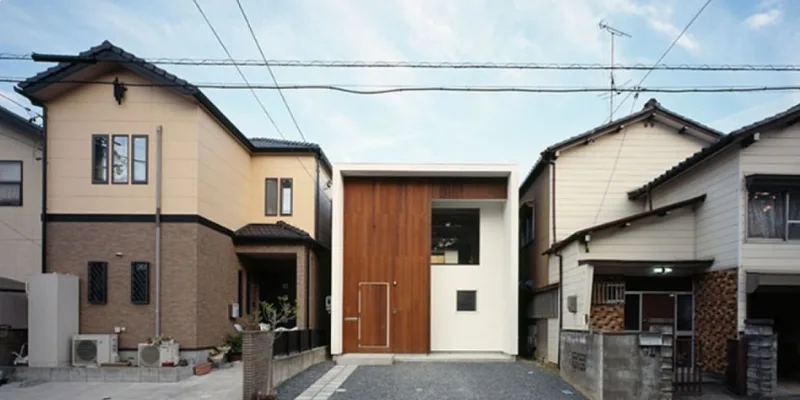
A prime example of high-quality wooden construction is the Kolet Futako-Shinchi #09 – 0, located in Mizonokuchi, Kawasaki-shi. This newly built detached house demonstrates how modern wooden structures offer premium living space and extensive features:
- Structure & Layout: This is a 3-bedroom (3SLDK) maisonette-style home built with a wooden structure in 2025.
- Spacious Living: The property offers a generous room size of 104.32 m², providing significantly more space than typical city apartments.
- Modern Amenities: It is equipped with premium features including a walk-in closet, counter kitchen with a dishwasher, bathroom dryer, and a smartlock system.
- Convenience: The home includes dedicated car, motorcycle, and bicycle parking, and it is pet-friendly.
- Accessibility: Located within an 11-minute walk of Futako Shinchi Station and a 9-minute walk to Takatsu Station, it offers easy access to the Tōkyū Den-en-toshi and Ōimachi lines.
This property represents the top tier of wooden rentals, combining the traditional benefits of wood with the latest in modern housing technology.
Why Choose AREALTY for Your Apartments in Tokyo Japan
Navigating the Japanese real estate market as a foreigner can be complex, especially when evaluating the technical aspects of wooden structures. AREALTY specializes in connecting international residents with high-quality apartments in Japan that meet modern safety and comfort standards.
We understand that you need more than just a list of properties; you need a partner who can explain the nuances of Japanese lease agreements and building types. AREALTY provides a curated selection of japan tokyo apartment rent options that have been pre-screened for earthquake resistance and maintenance quality. Our professional team offers Expert Services including Multilingual Contract Support, Property Inspections, and Utility Setup Assistance.
You can find a secure and comfortable home if you work with our experienced agents. We prioritize transparency and provide detailed information regarding the construction year and previous renovation history of every listing. You can view our currently managed properties and learn more about our commitment to quality by visiting our Property Management Portal.
Would you like us to start a personalized search for your ideal wood-frame construction in Tokyo today? Contact AREALTY to receive a curated list of properties that match your budget and lifestyle preferences.
Conclusion
Deciding on a wooden structure remains a strategic choice if you seek high-quality apartments in Japan such as studios, family flats, and modern lofts. These buildings offer the key benefits of wood-frame construction Japan rental including affordable rates, natural humidity regulation, and spacious layouts. You will find a comfortable apartment for rent Japan more easily if you prioritize properties built after the year 2000. Start your search for a japan tokyo apartment rent with AREALTY to access premium apartments in Tokyo Japan and enjoy a stress-free transition to your new home.

Real estate advisor at Arealty Japan, specialising in helping foreign residents navigate the Tokyo and Osaka rental markets. Lucy has guided hundreds of international renters — from Working Holiday visa holders to corporate relocations — through Japan’s apartment application process. Her writing draws on firsthand experience with landlord screening, guarantor companies, and foreigner-friendly listings across all 23 Tokyo wards and major Kansai cities.





Leave a Reply