
Quick answer: The best train lines to live on in Tokyo for most foreign renters are the Chuo Line, the Keio Line and the Tokyu Toyoko Line. Each gives you a direct train to a major hub and studios under ¥100,000 within about 20 minutes of it. For the lowest rent with a short ride, the east end of the Tozai Line wins: Nishi-Kasai averages about ¥66,600 for a 1K and is 16 minutes from Otemachi. For the calmest morning, the Toyoko Line is the least crowded line we compared, at 124% of capacity.
Arealty now has a full guide for nine Tokyo train lines. This page puts them side by side, so you can pick the line first and then the station. If you already know where you will work, start with our Tokyo commute times guide instead. This guide compares the lines themselves: rent, crowding and who each one suits.
Best Train Lines to Live On in Tokyo: Key Facts (2026)
| Line | Main hubs | Studio/1K rent range | Value pick | Rush-hour crowding (FY2025) |
|---|---|---|---|---|
| JR Yamanote | Loop: Shinjuku, Shibuya, Ikebukuro, Tokyo | ¥72,000 to ¥180,000 | Nippori, ¥72,000 to ¥100,000 | Not in our survey set |
| JR Chuo (Rapid) | Shinjuku, Tokyo Station | ¥57,000 to ¥158,500 | Mitaka, ¥96,500, 19 min to Shinjuku | 158% |
| Tokyo Metro Tozai | Otemachi, Nihombashi | ¥65,800 to ¥138,700 | Nishi-Kasai, ¥66,600, 16 min to Otemachi | 160% |
| JR Saikyo | Ikebukuro, Shinjuku, Shibuya | ¥70,800 to ¥169,800 | Kita-Akabane, ¥84,700, next to Akabane | 167% |
| Tokyu Toyoko | Shibuya, Yokohama | ¥70,000 to ¥169,800 | Kikuna, ¥70,000, limited express stop | 124% |
| Tokyu Den-en-toshi | Shibuya, Otemachi via Hanzomon Line | ¥58,000 to ¥120,000 | Komazawa-daigaku, ¥85,000 to ¥108,000, 6 min to Shibuya | 138% |
| Odakyu | Shinjuku, Chiyoda Line | ¥49,100 to ¥149,400 | Shin-Yurigaoka, ¥82,900, 21 to 23 min to Shinjuku | 150% |
| Keio + Inokashira | Shinjuku, Shibuya | ¥51,100 to ¥167,900 | Chofu, ¥84,100, 15 to 18 min to Shinjuku | 145% (Inokashira 125%) |
| JR Ome (Yokota area) | Tachikawa, Shinjuku | ¥54,000 to ¥61,000 | Fussa, ¥59,000, 44 to 50 min to Shinjuku | Not in our survey set |
Rent: LIFULL HOME’S station averages for studio, 1K and 1DK within a 10-minute walk, checked October 2026, except Yamanote and Den-en-toshi (Arealty 1K listing ranges, May 2026), Tozai (Iepla 1K averages) and Ome (at home 1K averages near Fussa, Ushihama and Haijima). Crowding: Ministry of Land, Infrastructure, Transport and Tourism (MLIT), busiest morning hour on each line’s busiest section. Tokyo area average: 143%.
What Makes a Train Line Good to Live On in Tokyo?
A good line takes you to your hub with no transfer, stops fast trains near your home, and lets rent fall quickly as you ride out. Crowding and backup routes decide the rest. Here is how the nine lines score on each point.
1. A direct train to where you go every day. Transfers cost more time than distance. The Chuo, Odakyu and Keio lines all end at Shinjuku. The Toyoko and Den-en-toshi lines start at Shibuya. The Tozai Line runs through Otemachi itself. Through service adds more reach: Toyoko trains continue to Shinjuku-sanchome and Ikebukuro, Den-en-toshi trains run onto the Hanzomon Line to Otemachi, and some Odakyu trains join the Chiyoda Line at Yoyogi-Uehara.
2. Fast trains that stop at your station. On every private line, local-only stations are cheaper than the express stop next door. On the Keio Line, Fuda averages ¥67,800 while Chofu, 0.6 km away, averages ¥84,100. The Saikyo Line, Kita-Akabane is about ¥22,100 cheaper than Akabane. The saving is real, but check the timetable before you sign.
3. A rent curve that drops early. Some lines get cheap only after an hour. Others drop at a single border:
- Odakyu: Komae averages ¥73,600, about ¥26,600 less than Kitami, the last Setagaya stop.
- Toyoko: Musashi-Kosugi, across the Tama River, costs about ¥45,000 less than Nakameguro for a studio.
- Chuo: Nakano saves about ¥30,000 a month compared with Shinjuku, for 4 extra minutes.
- Inokashira: Inokashira-koen is about ¥28,900 cheaper than Kichijoji, one stop away.
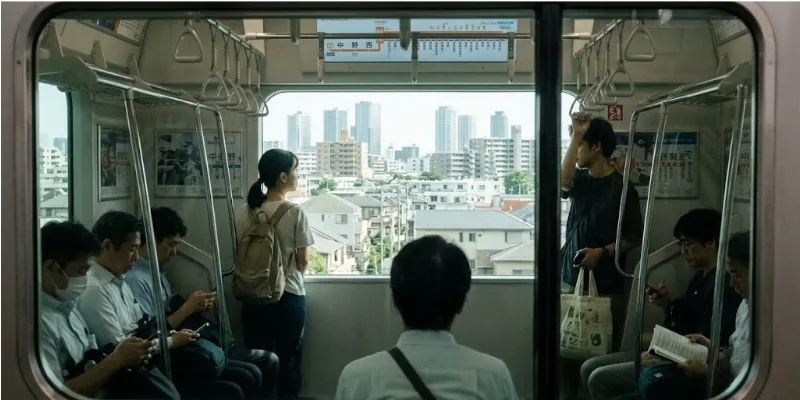
4. A bearable rush hour. In fiscal 2025, the Tokyo area averaged 143% of capacity in the busiest morning hour. The Toyoko, Inokashira and Den-en-toshi lines sat below that. The Saikyo, Tozai and Chuo lines sat well above it.
5. A second line nearby. Lines with long through services spread delays. A home near a two-line station, such as Ogikubo, Kichijoji, Meidaimae or Musashi-Kosugi, gives you a backup on bad days.
Which Tokyo Train Line Has the Cheapest Rent Near the Center?
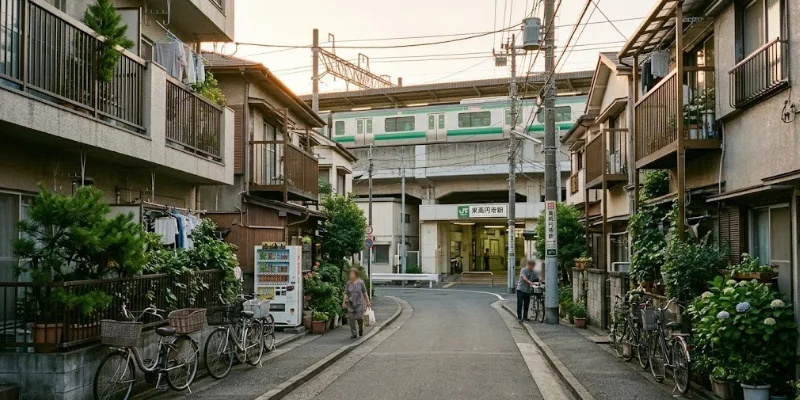
The Tozai Line has the cheapest rent close to central Tokyo. Nishi-Kasai and Kasai average about ¥66,000 for a 1K, and Otemachi is 16 to 18 minutes away with no transfer. The Toyoko Line comes next, with Kikuna at about ¥70,000.
The table shows the best-value station on each line within about 25 minutes of its main hub, sorted from cheapest.
| Line | Value station | Studio/1K rent | Time to hub |
|---|---|---|---|
| Tozai | Nishi-Kasai | ¥66,600 | About 16 min to Otemachi |
| Toyoko | Kikuna | ¥70,000 | About 20 to 25 min to Shibuya |
| Yamanote | Nippori | ¥72,000 to ¥100,000 | On the loop, 36 min to Narita by Skyliner |
| Odakyu | Shin-Yurigaoka | ¥82,900 | About 21 to 23 min to Shinjuku |
| Keio | Chofu | ¥84,100 | About 15 to 18 min to Shinjuku |
| Saikyo | Kita-Akabane | ¥84,700 | One local stop to Akabane, then 13 min to Shinjuku |
| Den-en-toshi | Komazawa-daigaku | ¥85,000 to ¥108,000 | About 6 min to Shibuya |
| Chuo | Mitaka | ¥96,500 | About 19 min to Shinjuku |
Sources and methods as in the key facts table. Ranges are listing ranges, single figures are station averages.
If your budget is the main limit and a longer ride is fine, go further out on the private lines. Odakyu’s Tsurumaki-Onsen averages about ¥49,100 and Keio’s Naganuma about ¥51,100. On the Chuo Line, Takao is about ¥57,000, roughly 55 minutes from Shinjuku. For more cheap areas, see our cheap apartments in Tokyo guide.
Want a wider view of prices by ward instead of by line? Our average apartment rent in Tokyo guide has the ward-level data.
Which Tokyo Train Line Is the Least Crowded at Rush Hour?
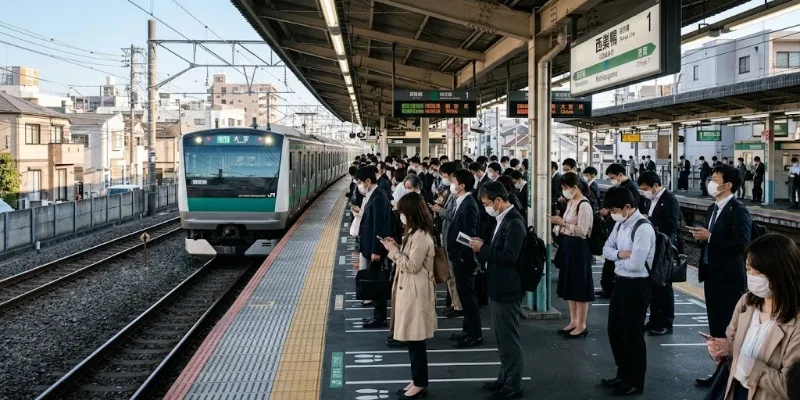
The Tokyu Toyoko Line is the least crowded of the lines we compared, at 124% in the busiest morning hour. The JR Saikyo Line is the most crowded, at 167%, the third highest in Japan in fiscal 2025.
| Line | Busiest section | FY2025 congestion |
|---|---|---|
| JR Saikyo | Itabashi to Ikebukuro | 167% |
| Tokyo Metro Tozai | Kiba to Monzen-nakacho | 160% |
| JR Chuo (Rapid) | Nakano to Shinjuku | 158% |
| Odakyu Odawara | Setagaya-Daita to Shimokitazawa | 150% |
| Keio | Shimo-Takaido to Meidaimae | 145% |
| Tokyu Den-en-toshi | Ikejiri-Ohashi to Shibuya | 138% |
| Keio Inokashira | Ikenoue to Komaba-Todaimae | 125% |
| Tokyu Toyoko | Yutenji to Nakameguro | 124% |
Source: MLIT urban railway congestion survey, FY2025, published July 2026. 100% means every seat is taken and standing passengers can hold a strap or rail.
These figures describe one section of each line, in one hour. Three things change what you will feel:
- Where you board. Trains start empty at some stations. Mitaka on the Chuo-Sobu Line and Musashi-Urawa on the Saikyo Line both have morning trains that begin there.
- Which way you ride. On the Tozai Line, trains into Otemachi from the Waseda side are much lighter than those from Nishi-Kasai.
- When you ride. Leaving before 7:30 or after 9:00 avoids the worst hour on every line.
Paid seats help too. The Chuo Line has Green Cars from ¥750 one way, the Toyoko Line runs Q SEAT cars, and Keio runs the Keio Liner.
Best Train Lines to Live On in Tokyo by Renter Type
The right line depends on who you are and where you go each day. Start with the row that fits you, then open the full guide for that line.
| If you are… | Best line | Stations to start with | Why |
|---|---|---|---|
| Working in Shinjuku | Chuo or Keio | Nakano (¥114,500), Chitose-Karasuyama (¥92,200) | 4 min and 12 min to Shinjuku, no transfer |
| Working in Shibuya | Den-en-toshi, Inokashira or Toyoko | Sangenjaya, Eifukucho (¥94,700), Gakugei-daigaku | Sangenjaya is 3 min from Shibuya; all three ride in direct |
| Working in Otemachi or Nihombashi | Tozai | Kiba or Toyocho (about ¥89,000) | 4 to 5 stops to Otemachi |
| A couple working in Tokyo and Yokohama | Toyoko | Musashi-Kosugi (¥106,000), Kikuna (¥70,000) | Limited express stops in the middle of the line |
| A student | Depends on campus | Waseda or Ochiai (Tozai), Meidaimae (Keio), Hiyoshi (Toyoko, ¥72,900) | One train or a walk to class |
| A family | Den-en-toshi, Odakyu or Chuo | Tama-plaza, Seijogakuen-mae, Mitaka | Bigger homes, parks, direct trains |
| On the lowest budget | Odakyu, Keio or Chuo, far west | Tsurumaki-Onsen (¥49,100), Naganuma (¥51,100), Takao (¥57,000) | Half of central rent, 40 min or more to the hub |
| A frequent flyer | Yamanote | Nippori or Shinagawa | Skyliner to Narita in 36 min; Haneda and Narita Express from Shinagawa |
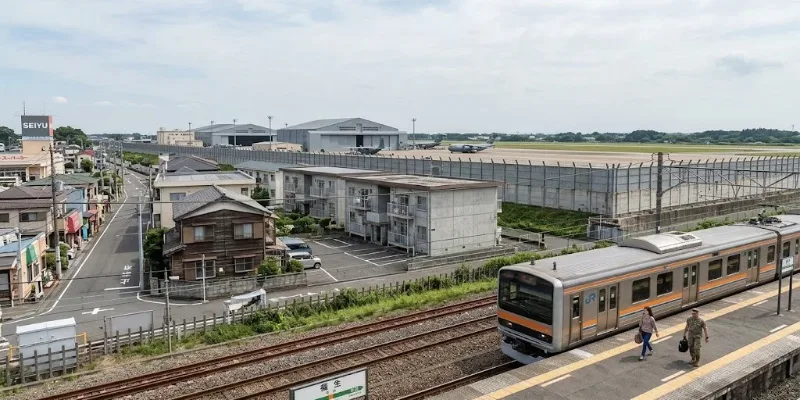
| US military or SOFA | Ome or Odakyu | Fussa or Ushihama (Yokota), Sobudai-mae or Sagami-Ono (Camp Zama) | Walk to the gate or fast trains |
Students: match the line to your campus
Several universities sit right on these lines. Waseda is a 5-minute walk from Waseda Station on the Tozai Line. Meiji University’s Izumi Campus is next to Meidaimae on the Keio Line. Keio University’s Hiyoshi Campus is one minute from Hiyoshi on the Toyoko Line. The University of Tokyo’s Komaba Campus has its own Inokashira Line station. For more options, see student housing near Tokyo universities.
Families: look past the first river or ward border
Families get the most space where rent drops sharply. On the Den-en-toshi Line, a 2LDK in Tama-plaza runs about ¥140,000 to ¥195,000, against ¥170,000 to ¥250,000 in Futako-tamagawa. Chitose-Karasuyama on the Keio Line is one of LIFULL HOME’S most popular family stations in Tokyo.
What Is Each Tokyo Train Line Like to Live On?
Each line below has its own station-by-station guide. Here is the short version.
JR Yamanote Line: the loop around central Tokyo
The Yamanote Line links 30 stations in a 34.5 km loop, with trains every 2 to 3 minutes at peak. The west arc (Shinjuku to Shibuya) is the most expensive. The east and north arcs, such as Nippori, Ueno and Otsuka, cost much less for the same loop access. Read the Yamanote Line station guide, and see the Shibuya Station train lines guide for the nine lines that meet at Shibuya.
JR Chuo Line: the classic west Tokyo line
The Chuo Line runs straight from Tokyo Station through Shinjuku to Takao. Nakano, Koenji, Ogikubo and Kichijoji are the most popular stops with foreign renters. One rule to know: on weekends, rapid trains skip Koenji, Asagaya and Nishi-Ogikubo. Read the Chuo Line apartments guide.
Tokyo Metro Tozai Line: the direct line to Otemachi
The Tozai Line runs east to west under the business district. The west side serves Waseda students, and the east side is one of the cheapest areas in the 23 wards. Nishi-Kasai is also home to Tokyo’s best-known Indian community. Read the Tozai Line apartments guide.
JR Saikyo Line: north Tokyo to Shinjuku and Shibuya
The Saikyo Line runs from Osaki to Omiya in Saitama. It is rare in giving cheap north Tokyo areas one train to Shinjuku, Shibuya and Ebisu. Akabane, Jujo and Kita-Akabane are the best Tokyo stops. Read the Saikyo Line apartments guide.
Tokyu Toyoko Line: Shibuya to Yokohama
The Toyoko Line links Shibuya and Yokohama in about 27 minutes by limited express. Rent is highest in Meguro, from Daikanyama to Jiyugaoka, and drops sharply in Kanagawa. Read the Toyoko Line apartments guide.
Tokyu Den-en-toshi Line: Setagaya and the planned suburbs
The Den-en-toshi Line runs southwest from Shibuya through Sangenjaya and Futako-tamagawa into Kanagawa. It suits families and anyone who wants space with a direct ride to Shibuya, or to Otemachi via the Hanzomon Line. Read the Den-en-toshi Line apartments guide.
Odakyu Line: Shinjuku to Kanagawa, widest price range
The Odakyu Odawara Line runs 82.5 km from Shinjuku to Odawara, with 47 stations. A studio costs about ¥126,900 in Shimokitazawa and about half that in Sagami-Ono. It is also the line for Camp Zama. Read the Odakyu Line apartments guide.
Keio and Inokashira Lines: Shinjuku and Shibuya from one home
The Keio Line runs from Shinjuku to Hachioji, and the Inokashira Line from Shibuya to Kichijoji. They cross at Meidaimae, so one home can serve both hubs. Special express trains reach Chofu in about 15 to 18 minutes. Read the Keio Line apartments guide.
JR Ome Line: west Tokyo and Yokota Air Base
The Ome Line runs from Tachikawa into the far west of Tokyo. Fussa, Ushihama and Haijima are the main stops for Yokota Air Base, each serving a different gate. Read the Ome Line apartments near Yokota guide.
How Do You Choose a Train Line in Tokyo?
Pick the line in four steps, then the station, then the apartment.
- Name your daily destination. Write down the station you go to most, for work or school. Then list the lines that reach it with no transfer.
- Set a time limit and a rent limit. Most renters accept 20 to 30 minutes. Use the key facts table to see which lines have studios in your budget inside that limit.
- Compare the express stop with its neighbors. Look one stop each side of the fast-train station. The local stop is often ¥15,000 to ¥25,000 cheaper for a few extra minutes.
- Check the walk and the crowd. Listing times assume 80 meters a minute, so read our guide to walking distance to train stations. Then ride the line once at 8 am before you sign.
Budget for move-in costs too. Expect about four to six months of rent upfront, as our apartment move-in cost guide explains. For the full application process, read our guide to renting in Tokyo as a foreigner.
Frequently Asked Questions
For most foreign renters, the Chuo, Keio and Tokyu Toyoko lines give the best mix of direct trains and rent. Each has studios under ¥100,000 within about 20 minutes of Shinjuku or Shibuya.
Near the center, the Tozai Line. Nishi-Kasai and Kasai average about ¥66,000 for a 1K, 16 to 18 minutes from Otemachi. Further out, the Odakyu Line is cheapest, from about ¥49,100 at Tsurumaki-Onsen.
The Tokyu Toyoko Line, at 124% in the busiest hour in fiscal 2025. The Keio Inokashira Line is close behind at 125%.
The JR Saikyo Line, at 167% between Itabashi and Ikebukuro. The Tozai Line (160%) and the Chuo Line rapid (158%) follow.
Not always. The Yamanote Line is convenient, but rent is high on its west arc. A home two or three stops out on a private line often costs ¥15,000 to ¥30,000 less and adds only 6 to 12 minutes.
The Tokyu Toyoko Line. Musashi-Kosugi is about 14 minutes from Shibuya, and Kikuna has the line’s lowest studio rent at about ¥70,000.
Find an Apartment on Your Train Line with Arealty
Once you know your line, search by station rather than by ward. Arealty lists apartments along all nine lines in this guide, with every listing in English. Our bilingual team helps with applications, guarantor companies and contracts.
- Browse Tokyo apartments for rent and filter by station and walking time
- See all apartments for rent across Japan
- Start your search on Arealty
Tell us your line, budget and move date, and we will send matching options.
About this guide
This guide was written by Lucy Nguyen, Marketing Specialist at Arealty. It brings together the station-level rent data and official railway and government figures from our nine Tokyo train line guides. Last checked: October 2026. Rent and timetables change, so check current listings before you decide.
Sources
- MLIT: urban railway congestion survey results, FY2025
- MLIT: FY2025 congestion press summary (PDF)
- LIFULL HOME’S: JR Chuo Line rent by station
- LIFULL HOME’S: Keio Line rent by station
- LIFULL HOME’S: Odakyu Odawara Line rent by station
- LIFULL HOME’S: Tokyu Toyoko Line rent by station
- LIFULL HOME’S: JR Saikyo Line rent by station
- Iepla: Tozai Line rent by station
- at home: Fussa Station rent averages